Introduction
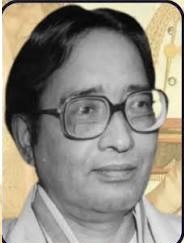
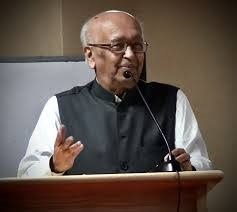
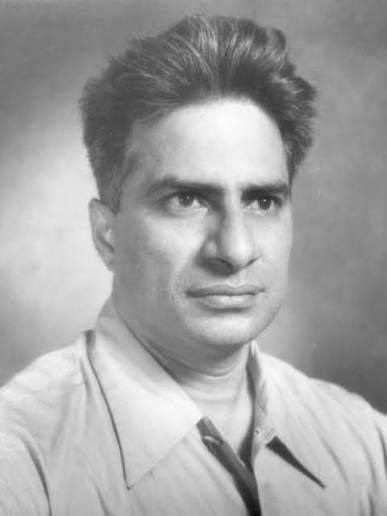
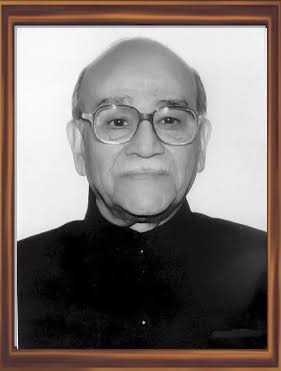
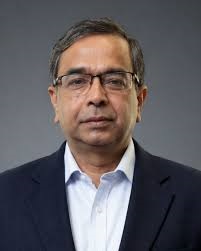
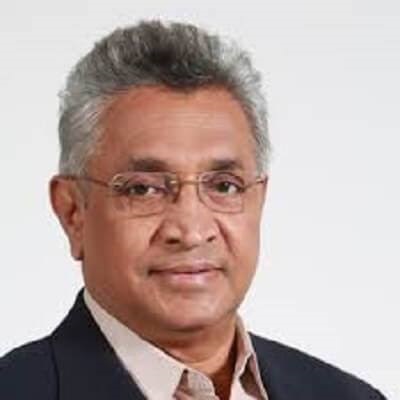
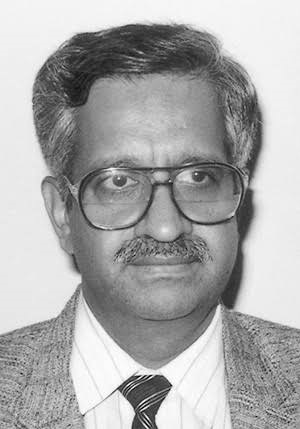
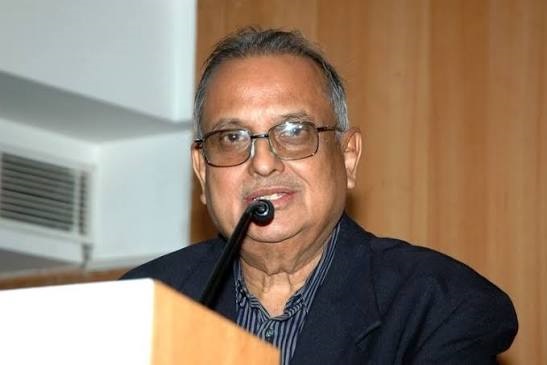
P. Rama Rao (P. Rama Rao) is a distinguished Indian metallurgist and materials scientist whose pioneering contributions have significantly advanced the fields of metallurgy, materials science, aerospace materials, and nuclear materials engineering. He played a crucial role in strengthening India’s technological capabilities by developing advanced materials for defense, aerospace, and nuclear applications. Throughout his career, he combined scientific research with science administration, helping shape India’s research infrastructure and innovation ecosystem.
Early Life and Education
P. Rama Rao was born in India and displayed an early interest in science and engineering. He pursued higher education in metallurgy, a branch of engineering that studies metals, alloys, and their properties.
His academic journey includes:
- Bachelor’s degree in Metallurgical Engineering from Banaras Hindu University.
- Doctoral studies in metallurgy, specializing in materials science and physical metallurgy.
His education laid the foundation for a career focused on developing high-performance materials for strategic industries.
Birth Date and Place
- Date of Birth: 30 June 1935
- Place of Birth: Kakinada
He was born in Kakinada, in the present-day Indian state of Andhra Pradesh.
Scientific Career & Research
P. Rama Rao began his scientific career as a metallurgist and later became one of India’s leading experts in advanced materials research.
He worked at several prestigious scientific organizations, including:
- Bhabha Atomic Research Centre
- Defence Metallurgical Research Laboratory
- Department of Science and Technology
He also served in leadership roles such as:
- Director of Defence Metallurgical Research Laboratory
- Secretary of the Department of Science and Technology
- Chairman of several national scientific committees and advisory bodies
His major research areas include:
- Physical Metallurgy
- Materials Engineering
- Aerospace Materials
- Titanium Alloys
- Superalloys
- High-Temperature Materials
- Nuclear Materials
- Structural Materials
- Materials Processing
- Advanced Metallic Alloys
His work supported India’s strategic programs in defense, space, and nuclear energy.
Major Discoveries and Contributions
Although P. Rama Rao is not associated with a single invention, his research and leadership produced several major contributions.
1. Development of Advanced Titanium Alloys
He contributed to the development and processing of titanium alloys used in:
- Aircraft structures
- Missile systems
- Marine engineering
- Aerospace components
These alloys are lightweight, corrosion-resistant, and exceptionally strong.
2. High-Temperature Superalloys
He helped advance nickel-based and other superalloys capable of operating under extreme temperatures in:
- Jet engines
- Gas turbines
- Spacecraft
- Nuclear reactors
3. Nuclear Materials Research
His work supported the development of specialized materials required for India’s nuclear energy program, including materials resistant to radiation and high temperatures.
4. Indigenous Materials Technology
P. Rama Rao promoted the development of indigenous materials technologies, reducing dependence on imported strategic materials and strengthening India’s self-reliance in critical sectors.
5. Metallurgical Processing
He made important contributions to improving manufacturing processes for advanced metals and alloys, enhancing their strength, durability, and reliability for industrial use.
Awards and Honours
P. Rama Rao received numerous prestigious awards in recognition of his scientific achievements and public service.
Some of his notable honours include:
- Padma Shri (1989)
- Padma Bhushan (2001)
- Indian National Science Academy Fellow
- Indian National Academy of Engineering Fellow
- The World Academy of Sciences Fellow
- Fellow of several national and international scientific organizations
- Recipient of numerous metallurgy and materials science awards
These honours reflect his outstanding contributions to science, engineering, and national technological development.
Later Life and Death
After retiring from active government service, P. Rama Rao continued contributing to science through advisory roles, scientific committees, and academic institutions. He remained involved in promoting research, innovation, and science policy in India.
- Date of Death: 31 December 2018
- Age at Death: 83 years
His passing marked the loss of one of India’s foremost metallurgists and science administrators.
Legacy and Impact
P. Rama Rao’s work has had a lasting influence on India’s scientific and technological progress.
His legacy includes:
- Advancing India’s capabilities in metallurgy and materials science.
- Supporting indigenous development of strategic materials for defense, aerospace, and nuclear technologies.
- Strengthening research institutions and science administration.
- Mentoring generations of scientists and engineers.
- Contributing to India’s self-reliance in advanced materials.
- Inspiring innovation in metallurgy and engineering education.
His research continues to influence materials used in aerospace, defense systems, energy technologies, and industrial manufacturing.
Conclusion
P. Rama Rao was a visionary metallurgist whose contributions extended beyond laboratory research to national science policy and technological development. Through his pioneering work on advanced alloys, aerospace materials, and nuclear materials, he helped establish India as a leader in strategic materials science. His scientific achievements, leadership, and commitment to innovation have left an enduring legacy that continues to benefit researchers, engineers, and industries across the country.
About the Author