Introduction
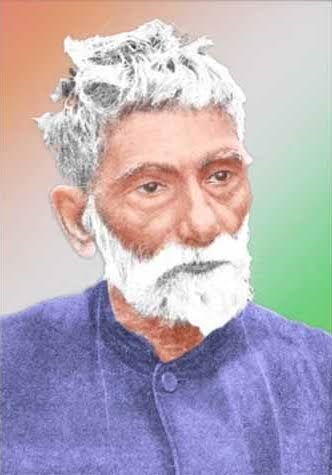
Prafulla Chandra Ray, popularly known as P. C. Ray, was one of the pioneers of modern chemical science in India. Often called the “Father of Indian Chemistry,” he made significant contributions to inorganic chemistry, chemical education, and the development of India’s pharmaceutical industry. His scientific research, entrepreneurial vision, and commitment to education helped establish a strong foundation for chemical research and industrial development in India.
Early Life and Education
Prafulla Chandra Ray was born on August 2, 1861, in Raruli-Katipara, Bengal Presidency (now in Bangladesh). He received his early education in Kolkata and later joined the University of Calcutta.
In 1882, Ray went to the United Kingdom and enrolled at the University of Edinburgh, where he studied chemistry. He earned a B.Sc. and later a D.Sc. degree, conducting advanced research in inorganic chemistry. His academic excellence earned him recognition among leading scientists of the time.
Scientific Career & Research
After returning to India in 1888, Ray joined Presidency College as a professor of chemistry. Despite limited laboratory facilities, he established a vibrant research culture and inspired many students to pursue scientific careers.
His research focused on:
- Inorganic chemistry
- Chemical compounds of mercury and nitrogen
- Chemical synthesis and analysis
- Industrial chemistry
- Materials and pharmaceutical chemistry
Ray believed that scientific knowledge should contribute directly to national development and industrial growth. He actively promoted indigenous scientific research and manufacturing.
Major Discoveries and Inventions
Discovery of Mercurous Nitrite
P. C. Ray’s most famous scientific achievement was the discovery of Mercurous Nitrite (Hg₂(NO₂)₂) in 1896. This compound was previously unknown and attracted international attention from the scientific community.
Research on Nitrites and Metal Compounds
He conducted extensive studies on nitrites and their chemical properties, publishing numerous research papers in leading scientific journals.
Establishment of Bengal Chemical & Pharmaceutical Works
In 1901, Ray founded Bengal Chemical & Pharmaceutical Works, India’s first pharmaceutical and chemical manufacturing company. This marked a major step toward industrial self-reliance.
Promotion of Chemical Education
He developed modern chemistry education in India and mentored several future scientists who later became prominent researchers and educators.
Contributions to Materials Science
His investigations into inorganic compounds and industrial chemicals contributed to the early development of materials science and chemical manufacturing in India.
Awards and Honours
P. C. Ray received numerous honours throughout his career:
- Companion of the Order of the Indian Empire (1911)
- Knighted by the British Government in 1919, becoming Sir Prafulla Chandra Ray
- Fellow of several prestigious scientific societies
- Honorary degrees from Indian and international universities
- Widely recognized as the Father of Indian Chemistry
Later Life and Death
In his later years, Ray continued teaching, writing, and supporting scientific education. He donated much of his income to educational and charitable causes. He remained active in promoting science and industry until his final years.
Prafulla Chandra Ray passed away on June 16, 1944, in Kolkata at the age of 82.
Legacy and Impact
P. C. Ray’s influence extends far beyond his scientific discoveries. He transformed chemistry education in India, established the country’s first major chemical industry, and inspired generations of scientists.
His contributions include:
- Laying the foundation of modern chemical research in India.
- Promoting indigenous industries and self-reliance.
- Training future generations of chemists and researchers.
- Advancing pharmaceutical and chemical manufacturing.
- Encouraging the integration of science with national development.
Today, he is remembered as a visionary scientist, educator, entrepreneur, and nation-builder whose work continues to inspire researchers and industrialists alike.
Conclusion
Prafulla Chandra Ray was one of India’s greatest chemists and a pioneer of scientific and industrial development. Through his discovery of mercurous nitrite, establishment of Bengal Chemical & Pharmaceutical Works, and dedication to education, he played a crucial role in shaping modern Indian chemistry. His legacy remains a cornerstone of India’s scientific heritage and continues to inspire future generations.
Short Blog Summary (200 Words)
Prafulla Chandra Ray (1861–1944) was a pioneering Indian chemist widely regarded as the Father of Indian Chemistry. Born in Bengal, he pursued higher education at the University of Edinburgh, where he specialized in chemistry and earned advanced degrees. After returning to India, he joined Presidency College in Kolkata and became one of the country’s most influential science educators.
Ray’s most notable scientific achievement was the discovery of Mercurous Nitrite in 1896, a breakthrough that earned international recognition. His research in inorganic chemistry contributed significantly to the understanding of nitrites and metal compounds. Beyond academic research, he believed that science should support national development and industrial progress.
In 1901, he founded Bengal Chemical & Pharmaceutical Works, India’s first pharmaceutical and chemical manufacturing company. This initiative helped promote indigenous industry and self-reliance during the colonial era.
Throughout his life, Ray mentored young scientists, promoted scientific education, and supported social and educational causes. Knighted in 1919, he received numerous honours for his contributions to science and society.
P. C. Ray’s legacy lies in his role as a scientist, educator, entrepreneur, and nation-builder. His pioneering work laid the foundation for modern chemistry and the chemical industry in India, inspiring generations of researchers and innovators.
About the Author