
Introduction
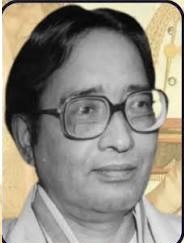
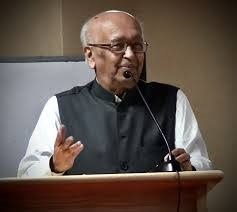
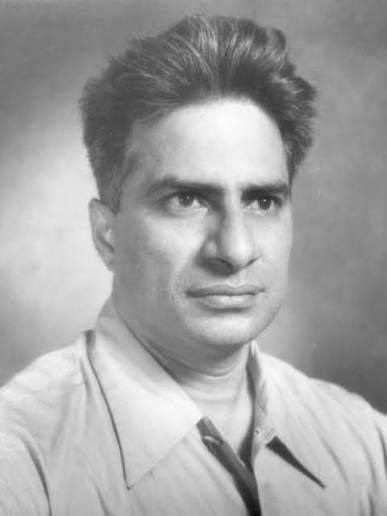
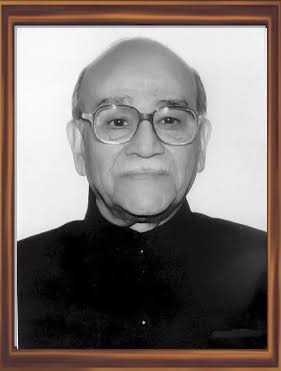
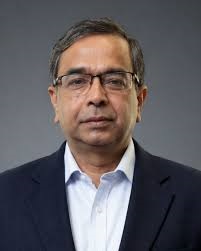
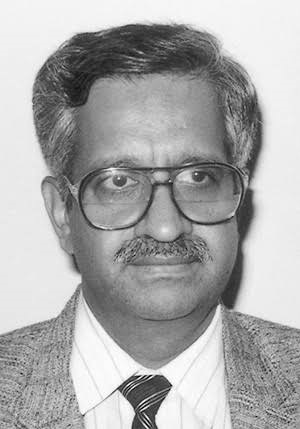
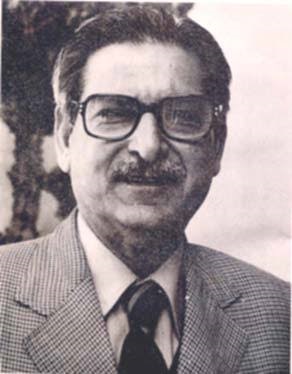
Nitya Anand (1925–2018) was one of India’s most distinguished medicinal chemists and pharmaceutical scientists. He is widely recognized for his pioneering contributions to medicinal chemistry, drug discovery, and pharmaceutical research in India. Throughout his long and productive career, Anand played a vital role in advancing the design and development of therapeutic compounds and helped establish India as an important center for pharmaceutical innovation. His work bridged the fields of chemistry, biology, and medicine, making a lasting impact on healthcare and scientific research.
Early Life and Education
Nitya Anand was born in 1925 in India. From an early age, he showed a keen interest in science and chemistry. His academic excellence led him to pursue higher education in chemistry, where he developed a fascination with the chemical basis of medicine and drug action.
He completed his undergraduate and postgraduate studies in chemistry before undertaking advanced research in medicinal and organic chemistry. During his training, he gained expertise in chemical synthesis, molecular structure analysis, and pharmaceutical sciences.
His strong educational foundation prepared him for a career dedicated to discovering and developing biologically active compounds for medical use.
Scientific Career & Research
Nitya Anand held several important academic and research positions throughout his career. He became one of the leading figures in India’s pharmaceutical research community and contributed significantly to the growth of medicinal chemistry as a scientific discipline.
His primary research areas included:
- Medicinal Chemistry
- Drug Discovery
- Pharmaceutical Chemistry
- Organic Synthesis
- Structure–Activity Relationships (SAR)
- Neuropharmacology
- Therapeutic Agent Development
Anand’s research focused on understanding how chemical structures influence biological activity and how new compounds can be designed to treat diseases more effectively.
Major Discoveries and Inventions
Contributions to Drug Discovery
One of Anand’s most important achievements was his work in the discovery and development of biologically active compounds with therapeutic potential. His research contributed to the identification of molecules that could serve as leads for pharmaceutical development.
Development of Medicinal Agents
He worked on the synthesis and evaluation of compounds aimed at treating various medical conditions, helping improve scientific understanding of drug action and effectiveness.
Research on Structure–Activity Relationships
Anand made significant contributions to the study of structure–activity relationships (SAR), a key concept in medicinal chemistry that examines how changes in molecular structure affect biological activity.
Advancement of Pharmaceutical Chemistry
His work helped strengthen pharmaceutical research in India by promoting scientific approaches to drug design, testing, and development.
Leadership in Research Institutions
Beyond laboratory discoveries, Anand played a crucial role in establishing and guiding research programs that encouraged innovation in medicinal chemistry and pharmaceutical sciences.
Awards and Honours
Nitya Anand received numerous prestigious awards and honors in recognition of his scientific achievements.
Shanti Swarup Bhatnagar Prize
He was awarded the Shanti Swarup Bhatnagar Prize for Science and Technology for his outstanding contributions to chemical sciences.
Padma Shri
The Government of India honored him with the Padma Shri, one of the nation’s highest civilian awards.
Fellowship of Scientific Academies
He was elected Fellow of several prestigious scientific institutions, including:
- Indian National Science Academy
- Indian Academy of Sciences
International Recognition
His scientific contributions earned respect and recognition from researchers and pharmaceutical scientists worldwide.
Academic Distinctions
He received honorary memberships, lectureships, and awards from various scientific organizations for his contributions to medicinal chemistry.
Later Life and Death
In his later years, Anand remained actively involved in scientific research, policy discussions, and mentoring young scientists. He continued to support pharmaceutical innovation and scientific education through advisory roles and academic activities.
He remained a respected figure in India’s scientific community until his passing.
Nitya Anand passed away in 2018, leaving behind a remarkable legacy in medicinal chemistry and pharmaceutical research.
Legacy and Impact
The impact of Nitya Anand’s work extends across chemistry, medicine, and pharmaceutical science.
Pioneer of Medicinal Chemistry in India
He helped establish medicinal chemistry as a major research discipline in India.
Contributions to Drug Development
His work contributed to the discovery and optimization of compounds with potential therapeutic applications.
Strengthening Pharmaceutical Research
Anand played a major role in developing India’s pharmaceutical research infrastructure and scientific capabilities.
Mentor and Educator
He guided numerous students and researchers who later became leaders in chemistry, pharmacy, and biomedical sciences.
Scientific Leadership
His vision and leadership helped promote innovation and interdisciplinary collaboration in drug discovery research.
Conclusion
Nitya Anand was one of India’s foremost medicinal chemists whose contributions transformed pharmaceutical research and drug discovery in the country. Through his pioneering work in medicinal chemistry, structure–activity relationships, and therapeutic compound development, he helped bridge the gap between chemistry and medicine. His achievements as a scientist, educator, and research leader continue to inspire new generations of chemists and pharmaceutical researchers. His legacy remains a cornerstone of India’s progress in medicinal chemistry and healthcare innovation.
About the Author