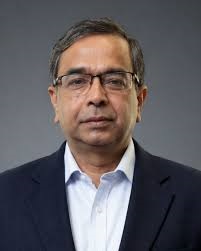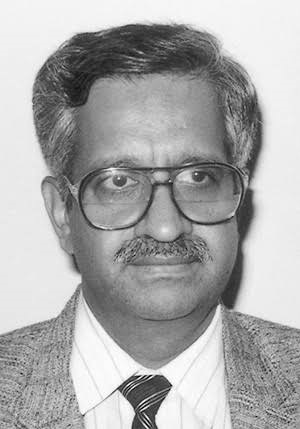

Introduction
N. H. Ravindranath (Nadipalli Hanumantha Ravindranath) is a distinguished Indian environmental scientist, climate change expert, and academic, internationally recognized for his pioneering contributions to environmental studies, climate change adaptation and mitigation, forestry, carbon sequestration, biodiversity conservation, and sustainable development. For over four decades, he has played a key role in advancing climate science and environmental policy in India. His research has significantly influenced national and international strategies on climate resilience, forest conservation, and greenhouse gas mitigation. He is also known for his contributions to the Intergovernmental Panel on Climate Change (IPCC), which shared the 2007 Nobel Peace Prize with former U.S. Vice President Al Gore.
Early Life and Education
N. H. Ravindranath was born in India in 1955. From an early age, he developed a deep interest in nature, ecology, and environmental conservation. His curiosity about the relationship between forests, climate, and human well-being inspired him to pursue higher education in environmental sciences.
He completed his undergraduate studies in agricultural sciences before specializing in environmental science and forestry. He later obtained advanced research qualifications, focusing on climate change, forest ecology, and sustainable resource management.
His academic specialization includes:
- Environmental Science
- Forestry
- Climate Change
- Ecology
- Sustainable Development
- Carbon Cycle Studies
This multidisciplinary education laid the foundation for his influential research career.
Scientific Career & Research
Indian Institute of Science (IISc)
N. H. Ravindranath spent much of his academic career at the Indian Institute of Science (IISc), Bengaluru, where he served as a professor at the Centre for Sustainable Technologies.
At IISc, he led interdisciplinary research on:
- Climate change
- Forest ecosystems
- Renewable energy
- Carbon sequestration
- Environmental policy
- Sustainable development
His work integrated ecological science with public policy to address environmental challenges.
Climate Change Research
Ravindranath is widely recognized for his extensive research on the impacts of climate change in India.
His studies have examined:
- Rising temperatures
- Changing rainfall patterns
- Extreme weather events
- Agricultural vulnerability
- Forest ecosystem responses
- Water resource management
His findings have helped governments and policymakers develop strategies to adapt to climate change.
Forestry and Carbon Sequestration
A major focus of his research has been the role of forests in mitigating climate change.
He investigated:
- Carbon storage in forests
- Afforestation and reforestation
- Forest management practices
- Greenhouse gas emissions
- Sustainable forestry
- Ecosystem restoration
His work demonstrated how forests can act as significant carbon sinks, reducing atmospheric carbon dioxide.
Environmental Policy
Ravindranath has contributed to the development of environmental policies at both national and international levels.
His expertise has supported policies related to:
- Climate adaptation
- Forest conservation
- Renewable energy
- Biodiversity protection
- Sustainable land use
- Carbon accounting
He has advised several government agencies and international organizations on environmental planning.
IPCC Contributions
One of Ravindranath’s most notable achievements has been his role as a Lead Author and Coordinating Lead Author for multiple assessment reports of the Intergovernmental Panel on Climate Change (IPCC).
His contributions focused on:
- Climate mitigation
- Sustainable development
- Land use
- Forestry
- Adaptation strategies
The IPCC’s work has provided the scientific foundation for global climate agreements and policies.
Scientific Publications
Ravindranath has authored and co-authored hundreds of research papers, book chapters, and technical reports on:
- Climate change
- Forest ecology
- Environmental management
- Carbon sequestration
- Renewable energy
- Sustainable agriculture
His publications are widely cited by researchers around the world.
Major Discoveries and Contributions
Although environmental science progresses through collaborative efforts rather than isolated inventions, N. H. Ravindranath has made several landmark contributions.
1. Climate Change Adaptation
He developed practical frameworks to help communities, governments, and ecosystems adapt to the impacts of climate change.
2. Forest Carbon Sequestration
His research quantified the carbon storage capacity of Indian forests and highlighted their importance in reducing greenhouse gas concentrations.
3. Sustainable Forest Management
Ravindranath promoted scientific forest management practices that balance biodiversity conservation with human needs.
4. Climate Policy Development
His work has influenced India’s climate action plans and international negotiations by providing scientific evidence on mitigation and adaptation.
5. Environmental Impact Assessment
He contributed to methods for evaluating the environmental impacts of development projects, supporting sustainable decision-making.
6. Renewable Energy and Sustainability
His research emphasized the role of renewable energy, energy efficiency, and sustainable resource use in achieving long-term environmental goals.
Awards and Honours
N. H. Ravindranath has received numerous recognitions for his contributions to environmental science and climate research.
Some of his notable honours include:
- Shared recognition as a contributing author to the 2007 Nobel Peace Prize, awarded jointly to the Intergovernmental Panel on Climate Change (IPCC) and Al Gore.
- Fellow of the Indian National Science Academy (INSA).
- Fellow of the National Academy of Agricultural Sciences (NAAS).
- Fellow of several national and international environmental and forestry organizations.
- Recipient of awards recognizing excellence in climate change research, forestry, and environmental policy.
- Invited expert for the United Nations Framework Convention on Climate Change (UNFCCC) and other international scientific bodies.
Later Life and Career
Following his retirement from full-time academic responsibilities, Ravindranath has remained actively engaged in research, teaching, and policy advising.
His continuing activities include:
- Advising governments on climate policy.
- Participating in international climate negotiations.
- Publishing scientific papers and books.
- Mentoring students and young researchers.
- Speaking at conferences on sustainability and environmental conservation.
As of the latest publicly available information, N. H. Ravindranath is living and continues to contribute to environmental science and climate policy.
Legacy and Impact
Pioneer in Climate Change Research
Ravindranath’s work has greatly enhanced understanding of climate change impacts and adaptation strategies, particularly in tropical developing countries.
Advancing Forest Conservation
His research has demonstrated the vital role of forests in biodiversity conservation, carbon sequestration, and sustainable development.
Influencing Climate Policy
His scientific expertise has shaped national and international climate policies, contributing to evidence-based environmental governance.
Promoting Sustainable Development
By integrating environmental science with economics and social policy, he has helped advance sustainable development practices in India.
Mentor and Educator
Through his teaching, publications, and mentorship, Ravindranath has inspired generations of environmental scientists, foresters, and climate researchers.
Global Recognition
His contributions to the IPCC and international climate science have earned him worldwide recognition as one of India’s leading environmental scientists.
Conclusion
N. H. Ravindranath is one of India’s foremost environmental scientists and climate change experts, whose pioneering work in environmental studies, forestry, carbon sequestration, climate adaptation, and sustainable development has significantly influenced both scientific research and environmental policy. His contributions to the IPCC, forest conservation, and climate resilience have helped shape global understanding of climate change and its solutions. Through his scientific achievements, policy leadership, and dedication to mentoring future researchers, Ravindranath has established an enduring legacy in environmental science and sustainability.
About the Author