Early Life and Education
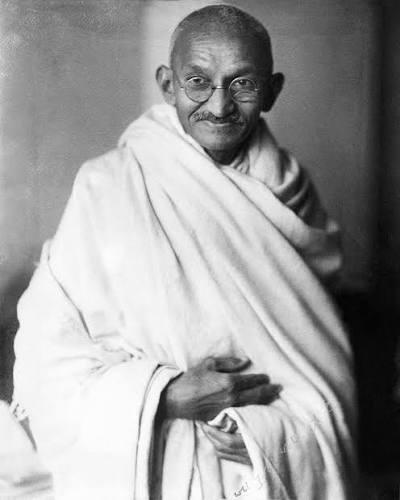
Mahatma Gandhi, popularly known as Mahatma Gandhi, was born on October 2, 1869, in Porbandar. His father, Karamchand Gandhi, served as the chief minister of Porbandar, while his mother, Putlibai, was deeply religious and greatly influenced his values.
Gandhi completed his early schooling in Porbandar and Rajkot. In 1888, he traveled to London to study law at the Inner Temple. He qualified as a barrister in 1891 and returned to India to begin his legal career.
Education & Skills
Gandhi received formal legal education in London and developed strong skills in law, public speaking, leadership, negotiation, and social reform. Throughout his life, he became known for:
- Exceptional leadership abilities
- Non-violent resistance (Satyagraha)
- Political strategy and mass mobilization
- Effective communication and writing
- Conflict resolution and social activism
- Promotion of self-reliance and rural development
His commitment to truth, non-violence, and justice made him one of the most influential leaders in modern history.
Contribution to Tamil Literature
Although Gandhi was not a Tamil literary writer, his ideas significantly influenced Tamil literature and writers. His principles of non-violence, social equality, nationalism, and rural upliftment inspired many Tamil poets and authors.
His speeches, articles, and books were translated into Tamil and widely read across Tamil Nadu. Influential Tamil writers and freedom fighters such as Thiru. Vi. Kalyanasundaram and Namakkal Kavignar Ramalingam Pillai were inspired by Gandhian ideals. His autobiography, The Story of My Experiments with Truth, has been translated into Tamil and continues to influence readers.
Role in India’s Freedom Movement
Mahatma Gandhi played a central role in India’s struggle for independence from British rule. After witnessing racial discrimination in South Africa, he developed the philosophy of Satyagraha, or non-violent resistance.
Major contributions include:
- Leadership of the Non-Cooperation Movement (1920–1922)
- Leadership of the Civil Disobedience Movement (1930–1934)
- The historic Dandi March against the British salt tax
- Promotion of Swadeshi and the use of khadi
- Leadership of the Quit India Movement
- Advocacy for communal harmony and social equality
His peaceful methods inspired freedom movements worldwide and earned him the title “Father of the Nation” in India.
Personal Life
Gandhi married Kasturba Gandhi in 1883 when both were young. The couple had four sons. Throughout his life, Gandhi adopted a simple lifestyle focused on self-discipline, vegetarianism, and service to society.
He established several ashrams, including the famous Sabarmati Ashram, which became centers for social reform and nationalist activities.
Death
On January 30, 1948, Mahatma Gandhi was assassinated in New Delhi by Nathuram Godse while attending a prayer meeting. His death shocked the nation and the world.
Gandhi’s final words are widely believed to have been “Hey Ram.” His funeral was attended by millions, reflecting the immense respect he commanded.
Conclusion
Mahatma Gandhi remains one of the most respected leaders in world history. His philosophy of truth, non-violence, and peaceful resistance transformed India’s freedom struggle and inspired movements for civil rights and justice across the globe. His influence continues to be felt in politics, social reform, literature, and human rights, making him a timeless symbol of peace and moral courage.
About the Author