Early Life and Education
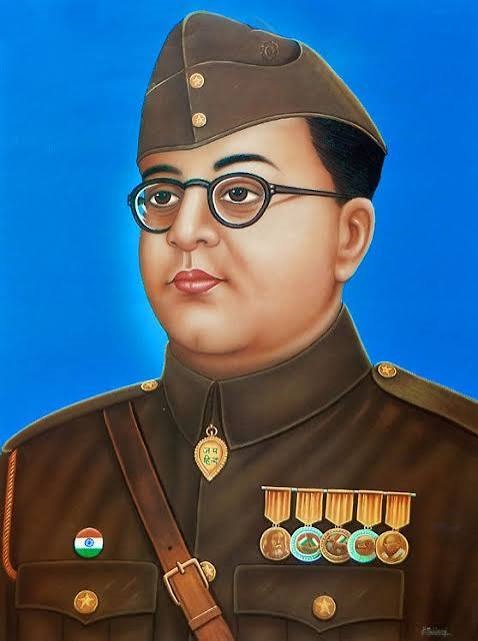
Subhas Chandra Bose, popularly known as Netaji, was born on January 23, 1897, in Cuttack. He was the ninth child of Janakinath Bose, a prominent lawyer, and Prabhavati Devi.
Bose received his early education at the Protestant European School in Cuttack and later attended the Ravenshaw Collegiate School. He graduated with a degree in Philosophy from Presidency College and later studied at University of Cambridge. In 1920, he successfully passed the Indian Civil Service (ICS) examination but resigned before joining, choosing instead to dedicate his life to India’s freedom struggle.
Education & Skills
Subhas Chandra Bose was highly educated and possessed exceptional intellectual and leadership qualities. His notable skills included:
- Leadership and organizational management
- Political strategy and diplomacy
- Public speaking and motivational communication
- Military planning and administration
- Multilingual proficiency, including Bengali, English, Hindi, and some European languages
- Strong analytical and philosophical thinking
His academic excellence and determination helped him emerge as one of India’s most influential nationalist leaders.
Contribution to Tamil Literature
Subhas Chandra Bose did not directly contribute to Tamil literature as a writer. However, his patriotism, courage, and revolutionary ideals inspired many Tamil poets, authors, and freedom fighters.
His speeches, writings, and biographies have been translated into Tamil and continue to be widely read. Tamil literary works celebrating India’s independence often highlight Bose’s leadership and sacrifice. His life story has inspired numerous Tamil books, essays, poems, and stage dramas that promote nationalism and selfless service to the nation.
Role in India’s Freedom Movement
Subhas Chandra Bose played a unique and significant role in India’s struggle for independence. Unlike many leaders who favored constitutional methods, Bose believed that armed resistance could help secure freedom from British rule.
His major contributions include:
- Active participation in the Indian National Congress.
- Serving as President of the Indian National Congress in 1938 and 1939.
- Establishing the Forward Bloc in 1939.
- Escaping British surveillance in 1941 and seeking international support for India’s independence.
- Organizing and leading the Indian National Army (INA).
- Establishing the Provisional Government of Free India in 1943.
- Popularizing slogans such as “Jai Hind” and “Give me blood, and I shall give you freedom.”
His efforts inspired countless Indians and strengthened the momentum of the independence movement.
Personal Life
Subhas Chandra Bose maintained a relatively private personal life. He married Emilie Schenkl, an Austrian woman, and they had a daughter named Anita Bose Pfaff.
Despite facing imprisonment, exile, and constant political challenges, Bose remained committed to India’s liberation. His dedication to the nation often took precedence over personal comfort and family life.
Death
The circumstances surrounding Bose’s death remain a subject of historical debate. According to the most widely accepted account, he died on August 18, 1945, following a plane crash in Taipei while traveling to seek support for the Indian independence cause.
Although several investigations concluded that he died in the crash, alternative theories have persisted, making his death one of the most discussed mysteries in modern Indian history.
Conclusion
Subhas Chandra Bose remains one of the most admired and inspirational figures in India’s freedom struggle. His fearless leadership, patriotism, and willingness to sacrifice everything for national independence earned him the title “Netaji.” Though his methods differed from those of other leaders, his unwavering commitment to freedom left a lasting impact on India’s history. His legacy continues to inspire generations to serve their nation with courage, determination, and selflessness.
About the Author