Early Life and Education
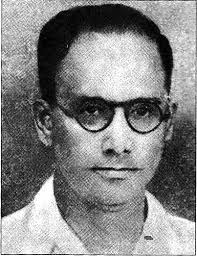
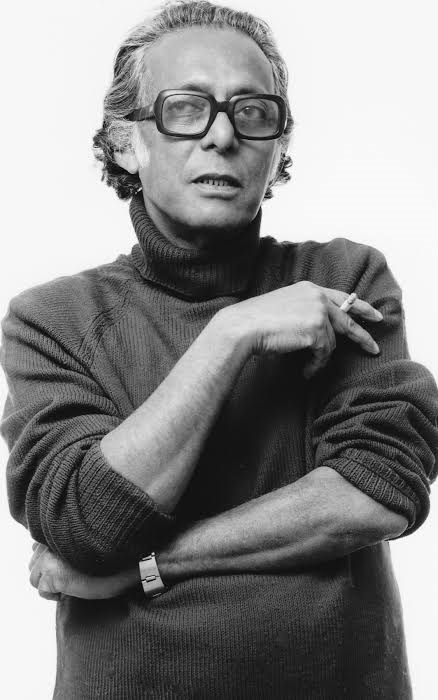
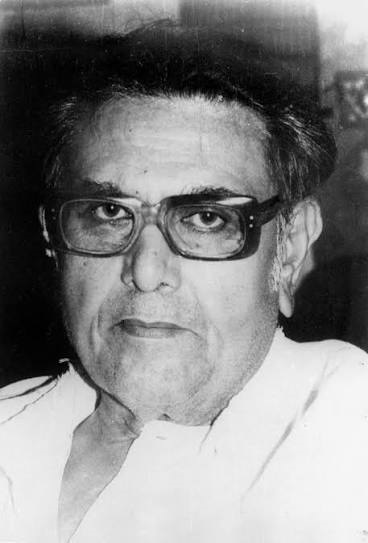
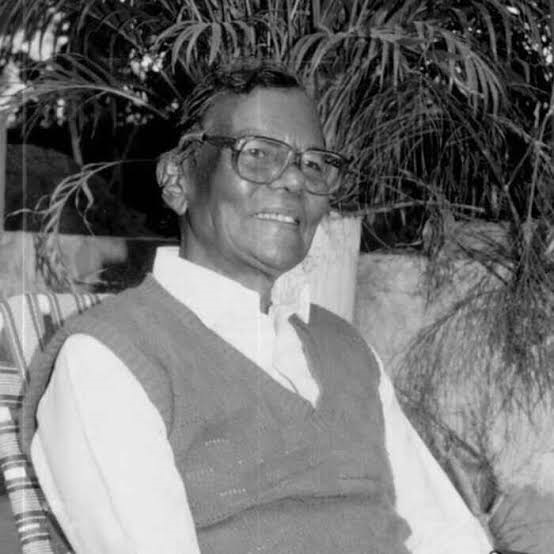
M. C. Veerabahu Pillai was a prominent freedom fighter and nationalist leader from Tamil Nadu who played an active role in India’s struggle for independence. He was born in the late nineteenth century in the Tirunelveli region of the Madras Presidency.
Detailed records concerning his early childhood and formal education remain limited. However, available historical accounts indicate that he received a sound education for his time and developed a strong interest in public affairs, social reform, and the nationalist movement. The political developments occurring across India during his youth profoundly influenced his outlook and future activities.
Education & Skills
Although specific information regarding his academic qualifications is scarce, M. C. Veerabahu Pillai possessed several qualities that contributed to his effectiveness as a public leader.
Key Skills:
- Strong leadership and organizational abilities.
- Effective public speaking and motivational skills.
- Expertise in community mobilization for nationalist causes.
- Commitment to Gandhian principles of non-violent resistance.
- Administrative capabilities in coordinating political activities.
- Dedication to social service and public welfare.
These skills enabled him to inspire people and actively participate in the freedom movement.
Contribution to Tamil Literature
There is no substantial historical evidence indicating that M. C. Veerabahu Pillai made direct contributions to Tamil literature as a poet, novelist, or scholar.
However, his involvement in the nationalist movement indirectly supported the growth of patriotic literature by:
- Encouraging the spread of nationalist ideas through public meetings and campaigns.
- Supporting efforts aimed at creating awareness about freedom, social justice, and self-respect.
- Inspiring local writers and activists who documented the sacrifices of freedom fighters from Tamil Nadu.
Thus, while his influence on Tamil literature was indirect, his patriotic activities contributed to the broader cultural awakening of the period.
Role in India’s Freedom Movement
M. C. Veerabahu Pillai was actively associated with the Indian National Congress and participated in several phases of India’s independence struggle.
He supported Mahatma Gandhi’s campaigns promoting Swadeshi, non-cooperation, and civil disobedience. Through public engagement and organizational work, he encouraged people in southern Tamil Nadu to participate in nationalist activities.
Major Contributions:
- Promoted Gandhian ideals of non-violence and self-reliance.
- Participated in campaigns against British colonial policies.
- Mobilized local communities in support of the national movement.
- Worked with Congress leaders to strengthen the freedom struggle in Tamil Nadu.
- Advocated for national unity and public welfare.
Although he may not have achieved nationwide recognition comparable to some other leaders, his regional contributions formed an important part of Tamil Nadu’s participation in the struggle for independence.
Personal Life
M. C. Veerabahu Pillai led a life centered on patriotism and service to society. He remained committed to the ideals of honesty, discipline, and selfless dedication throughout his public career.
Much of his personal life remains undocumented in historical sources. Nevertheless, his reputation as a respected community leader and nationalist reflects the values he upheld both in private and public life.
Death
The precise details regarding the date and circumstances of M. C. Veerabahu Pillai’s death are not widely available in historical records. Despite the absence of extensive documentation, his contributions to the freedom movement continue to be acknowledged in regional historical narratives and commemorative accounts.
Conclusion
M. C. Veerabahu Pillai was a dedicated freedom fighter and public leader who contributed to India’s independence movement through grassroots activism and unwavering commitment to nationalist ideals. His efforts helped strengthen the spirit of resistance against colonial rule in Tamil Nadu.
Although he was not primarily associated with Tamil literary achievements, his life of service and patriotism inspired future generations to value freedom, unity, and social responsibility. Today, he is remembered as one of the many courageous individuals whose sacrifices helped shape an independent India.
About the Author