Early Life and Education
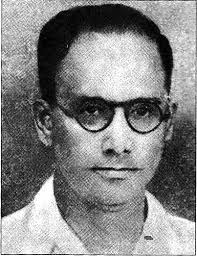
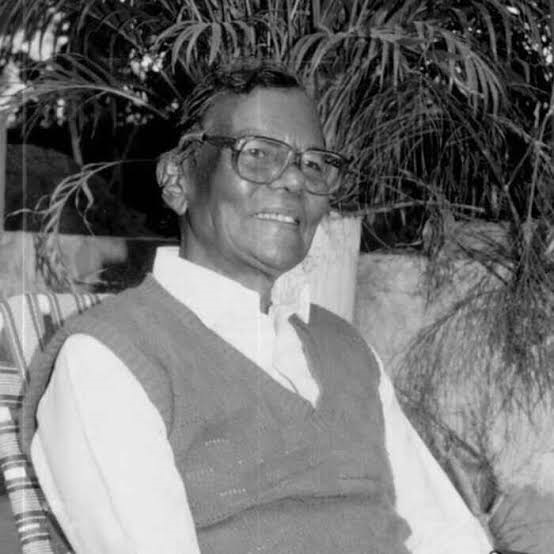
Sardar A. Vedaratnam Pillai, popularly known as Sardar Vedaratnam, was born on 25 February 1897 in Vedaranyam, in the present-day Nagapattinam district. He was born into a respected family and was the son of Appakutti Pillai and Thangammal.
Vedaratnam received his early education in Vedaranyam. Although he did not pursue extensive formal higher education, he was largely self-educated and developed a keen interest in national affairs, social reform, and public service. The ideals of Mahatma Gandhi greatly influenced his life and future activities.
Education & Skills
Sardar Vedaratnam possessed a variety of skills that enabled him to become an effective freedom fighter and social worker.
Key Skills:
- Strong leadership and organizational abilities.
- Effective public speaking and motivational skills.
- Deep understanding of Gandhian philosophy and non-violent resistance.
- Expertise in community development and rural welfare.
- Administrative skills gained through his involvement in public institutions.
- Commitment to education, social upliftment, and women’s welfare.
His practical wisdom and dedication earned him the honorary title “Sardar,” meaning leader.
Contribution to Tamil Literature
Although Sardar Vedaratnam was not primarily known as a literary figure, he contributed indirectly to Tamil literature through his support for education and the dissemination of nationalist ideas.
His contributions include:
- Encouraging the publication and circulation of patriotic Tamil writings during the freedom movement.
- Supporting educational institutions that promoted Tamil language and culture.
- Inspiring writers and social reformers through his Gandhian ideals and public service.
- Leaving behind speeches and writings that reflected his concern for social justice and national unity.
While his literary output was limited, his influence strengthened the cultural environment in which Tamil nationalist literature flourished.
Role in India’s Freedom Movement
Sardar Vedaratnam played a significant role in India’s struggle for independence, particularly in Tamil Nadu.
One of his most notable contributions was his participation in the Vedaranyam Salt Satyagraha, led by C. Rajagopalachari in 1930. Inspired by Gandhi’s Salt March, this movement challenged the British monopoly on salt production.
Vedaratnam provided leadership and logistical support during the march, helping mobilize local communities in Vedaranyam. His dedication to the cause earned him the title “Sardar” from Rajagopalachari.
Major Contributions:
- Participated actively in the Vedaranyam Salt Satyagraha.
- Supported the Indian National Congress and Gandhian movements.
- Endured imprisonment for nationalist activities.
- Promoted khadi and the principles of self-reliance.
- Worked tirelessly for rural development and social equality.
His efforts significantly strengthened the freedom movement in the Madras Presidency.
Personal Life
Sardar Vedaratnam led a simple life guided by Gandhian principles. He devoted himself to the welfare of society, particularly focusing on the education and rehabilitation of disadvantaged groups.
One of his most enduring contributions was the establishment of the Kasturba Gandhi Kanya Gurukulam in Vedaranyam. The institution was founded to provide education and vocational training to underprivileged girls, empowering them to lead independent lives.
Vedaratnam also served as a member of the Madras Legislative Assembly, where he advocated for social welfare and rural advancement.
Death
Sardar Vedaratnam passed away on 22 August 1961. His death marked the loss of a devoted patriot and humanitarian whose life had been dedicated to the service of the nation.
His legacy continues through the educational institutions he established and the inspiration he provides to future generations.
Conclusion
Sardar Vedaratnam was a distinguished freedom fighter, Gandhian leader, legislator, and social reformer. His active participation in the Vedaranyam Salt Satyagraha, unwavering commitment to non-violent resistance, and efforts to improve the lives of marginalized communities earned him a respected place in Indian history.
Though not primarily remembered as a literary figure, his support for education and nationalist ideals contributed to the broader cultural awakening of Tamil society. Today, Sardar Vedaratnam remains a symbol of patriotism, selfless service, and dedication to social justice, inspiring people across Tamil Nadu and India.
About the Author