1. Introduction
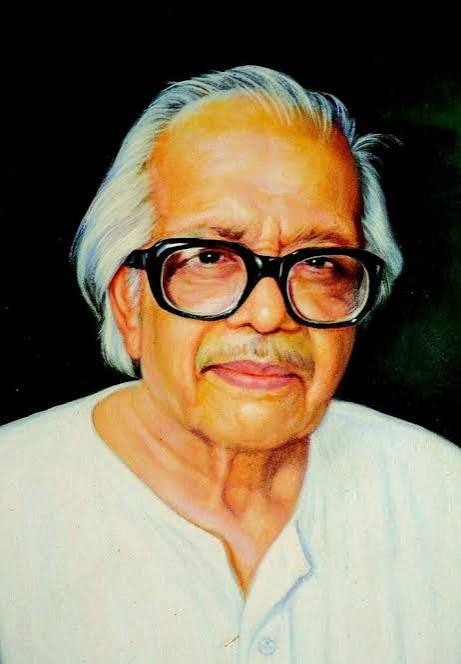
Ravindra Kelekar was a legendary Indian author, freedom fighter, Gandhian activist, and a pioneering luminary of the modern Konkani movement. Writing primarily in Konkani (alongside works in Marathi and Hindi), he single-handedly elevated Konkani literature onto the national stage, becoming the first-ever writer in the language to be conferred with India’s highest literary honor, the Jnanpith Award.
2. Quick Facts
- Full Name: Ravindra Rajaram Kelekar
- Native Name: रविन्द्र केळेकर (Konkani / Marathi)
- Date of Birth: March 7, 1925
- Place of Birth: Cuncolim, Portuguese Goa
- Nationality: Indian (Portuguese citizen until the liberation of Goa in 1961)
- Occupation/Profession: Author, Poet, Essayist, Linguist, and Freedom Fighter
- Field of Achievement: Konkani Literature, Language Rights, and Social Activism
- Years Active: 1940s–2010 (Spanning decades of nationalist struggle, cultural renaissance, and literary output)
3. Award Information (Jnanpith Award)
- Award Name: 42nd Jnanpith Award
- Award Category: Indian Literature (Highest Literary Honor)
- Award Year: 2006 (Presented in July 2010)
- Presented By: Bharatiya Jnanpith
- Date of Ceremony: July 31, 2010 (at Margao, Goa)
- Citation/Official Reason: For his profound contributions to Indian literature through the Konkani language, enriching its prose, travelogues, and philosophical essays while spearheading its cultural revival.
- Previous Recipient: Kunwar Narayan (41st Jnanpith Award)
4. Why He Received the Award
Ravindra Kelekar received the Jnanpith Award in recognition of a lifetime spent cementing Konkani as a sophisticated, independent literary vehicle. Through his powerful essays, travelogues, and social commentaries, he captured the cultural ethos (Goan-ness) of his homeland while giving the language intellectual depth, massive vocabulary growth, and national recognition.
5. Early Life
Born in Cuncolim, Goa, Kelekar spent a significant part of his early childhood in Diu where his physician father, Dr. Rajaram Kelekar (noted for translating the Bhagavad Gita into Portuguese), was posted. Growing up under the shadow of Portuguese colonial rule, Kelekar developed a fierce sense of patriotism and cultural identity early on, eventually aligning himself closely with Mahatma Gandhi’s ideals and freedom philosophy during his youth.
6. Education
- Early Education: Completed initial studies across Diu and Goa.
- Gandhian Mentorship: Spent formative years under the direct tutelage of veteran Gandhian scholar Kakasaheb Kalelkar at Wardha (1949–1955), absorbing deep insights into socio-cultural philosophy, linguistics, and nationalism.
7. Career Journey
- Freedom Struggle & Activism (1946–1961): Actively joined the Goa liberation movement against Portuguese rule, running underground networks, editing nationalist weeklies like Gomant Bharati (founded in 1956), and facing imprisonment.
- Literary Institutionalization: Played a central role in founding the Konkani Bhasha Mandal, leading the historic crusade to secure constitutional recognition for Konkani.
- Anti-Merger Movement: Spearheaded the political and social campaign preventing Goa from being merged into Maharashtra in 1967, preserving its distinct identity.
- Editorial & Publishing Work: Edited the influential Konkani cultural magazine Jaag for over two decades, nurturing generations of young Goan writers.
8. Major Achievements
- First Jnanpith for Konkani: Made history by becoming the inaugural Konkani writer to win the prestigious Jnanpith Award.
- Prolific Output: Authored nearly 100 books spanning essays, travelogues, and biographies, including Himalayant (which won the Sahitya Akademi Award in 1977), Amchi Bhas Konkaneech, and Mahatma.
- Constitutional Victory: Instrumental in the inclusion of Konkani in the Eighth Schedule of the Indian Constitution in 1992.
9. Contribution to the Nation
Kelekar’s greatest contribution was safeguarding an entire regional linguistic heritage from marginalization. By treating language as the heartbeat of a community’s soul, he fought colonial oppression and linguistic chauvinism alike. His Gandhian humanism bridged communal divides, promoting a pluralistic, inclusive vision for modern India.
10. Other Awards and Honours
- Padma Bhushan (2008): Conferred by the Government of India for literature and education.
- Sahitya Akademi Award (1977): For his travelogue Himalayant.
- Sahitya Akademi Fellowship (2007): The highest literary fellowship awarded by India’s National Academy of Letters.
- Gomant Sharada Award: Conferred by the Kala Academy, Goa.
11. Legacy and Influence
Ravindra Kelekar is revered as the architect of modern Konkani consciousness. Living a life of austere simplicity as an “intellectual recluse” in his ancestral home (Casa Dos Kelekars in Priol, Goa), he proved that regional languages carry the weight of universal truths. His books continue to be studied in universities, inspiring writers to stay rooted to their cultural soil.
12. Interesting Facts
- Name Change: He was originally named Chandrakant after his mother, but his maternal grandfather later changed it to Ravindra.
- Multilingual Scholar: Though his life’s mission was dedicated to Konkani, he wrote fluently in Marathi and Hindi, and translated monumental classics like the Mahabharata into Konkani.
13. Quotes
“We don’t need statues of Gandhi in every village; we need his principles in every heart.” — Ravindra Kelekar
14. Timeline
- 1925: Born on March 7 in Cuncolim, Goa
- 1946: Joined the freedom struggle against Portuguese rule
- 1950s: Worked alongside Kakasaheb Kalelkar under Gandhian influence
- 1977: Awarded the Sahitya Akademi Award for Himalayant
- 1992: Konkani officially recognized in the Eighth Schedule of the Indian Constitution
- 2007: Conferred with the Sahitya Akademi Fellowship
- 2008: Awarded the Padma Bhushan and announced as the Jnanpith recipient
- 2010: Conferred with the 2006 Jnanpith Award in Goa; passed away on August 27 at the age of 85
15. References
- Wikipedia – Ravindra Kelekar Biography Profile.
- Sahitya Akademi – Award Archives & Recognition Records.
- Bharatiya Jnanpith – Official Press Releases on the 42nd Jnanpith Award.
- The Hindu & The Times of India – Obituary and Archival Feature Articles.
16. Related Personalities
- Kakasaheb Kalelkar (Gandhian mentor and writer)
- Madhavi Sardesai (Prominent Konkani scholar and niece)
- Kunwar Narayan (Joint recipient of the Jnanpith cycle)
17. Frequently Asked Questions (FAQ)
Q1: Who was Ravindra Kelekar?A: Ravindra Kelekar was an iconic Indian freedom fighter, Gandhian activist, and author who spearheaded the modern Konkani literary and linguistic movement.
Q2: What makes his literary career historic? A: He made history by becoming the very first author writing in the Konkani language to receive the Jnanpith Award.
Q3: What major civilian honors did he receive?A: He was honored with the Sahitya Akademi Fellowship (2007), the Padma Bhushan (2008), and the Jnanpith Award (2006).
About the Author