1. Introduction
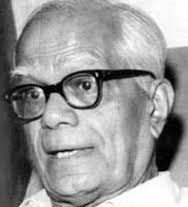
Kumara Padmanabha Sivasankara Menon, popularly known as K. P. S. Menon Sr., was one of India’s most distinguished civil servants, diplomats, and writers. A member of the prestigious Indian Civil Service (ICS), he served under the British administration before becoming one of independent India’s foremost diplomats. During his career, he represented India in several countries, including China, the Soviet Union, and Yugoslavia, and played a significant role in shaping India’s early foreign policy.
He was known for his administrative excellence, diplomatic skill, literary contributions, and commitment to public service. His autobiography, Many Worlds, remains an important historical account of India’s transition from colonial rule to independence.
2. Quick Facts
| Particular | Details |
|---|---|
| Full Name | Kumara Padmanabha Sivasankara Menon |
| Popular Name | K. P. S. Menon Sr. |
| Native Name | കുമാര പത്മനാഭ ശിവശങ്കര മേനോൻ (Malayalam) |
| Date of Birth | 18 October 1898 |
| Place of Birth | Ottapalam |
| Date of Death | 22 November 1982 |
| Nationality | Indian |
| Profession | Civil Servant, Diplomat, Author |
| Field of Achievement | Diplomacy, Public Administration, International Relations |
| Years Active | 1922–1961 (approximately) |
| Known For | Indian Civil Service, Ambassador to China and Soviet Union |
| Political Affiliation | Non-political Civil Servant |
3. Award Information
Award Name
Companion of the Order of the Indian Empire (CIE)
Award Category
Order of Chivalry (British Indian Honour)
Award Year
1941
Presented By
King George VI, on the recommendation of the British Indian Government.
Date of Ceremony
The exact ceremony date is not publicly documented.
Citation / Official Reason
Awarded for distinguished services in the Indian Civil Service and exceptional contributions to public administration in British India.
Previous Recipients (Optional)
The honour had numerous recipients annually; no single predecessor is officially designated.
Next Recipients
Subsequent appointments continued until the order ceased after Indian independence.
4. Why Did He Receive the Award?
K. P. S. Menon received the Companion of the Order of the Indian Empire (CIE) because of:
- Outstanding administrative ability in the Indian Civil Service.
- Efficient governance and public administration.
- Distinguished service to the Government of British India.
- Exceptional leadership in provincial administration.
- Contributions to maintaining effective civil governance.
The CIE was among the highest honours awarded to distinguished civil servants of British India.
5. Early Life
K. P. S. Menon was born on 18 October 1898 in Ottapalam, Kerala, into a respected Malayali family. His father valued education and public service, encouraging intellectual growth from an early age.
Growing up in Kerala exposed Menon to India’s rich cultural heritage while also providing access to English education during the colonial era. His academic brilliance eventually enabled him to compete successfully for the highly competitive Indian Civil Service.
6. Education
- School education in Kerala.
- Higher studies at Madras Christian College.
- Further studies at University of Oxford.
- Successfully passed the Indian Civil Service examination in London.
His education combined Indian intellectual traditions with British administrative training, making him exceptionally well-prepared for public service.
7. Career Journey
Indian Civil Service (1922)
Joined the prestigious Indian Civil Service after clearing one of the world’s toughest competitive examinations.
District Administration
Served in various administrative positions across British India.
During World War II
Handled important governmental responsibilities during wartime administration.
After Independence (1947)
Continued serving independent India under Prime Minister Jawaharlal Nehru.
Ambassador to China
Represented India during a crucial period in India-China diplomatic relations.
Ambassador to the Soviet Union
Strengthened diplomatic relations between India and the USSR during the early Cold War period.
Ambassador to Yugoslavia
Played an important role in India’s engagement with non-aligned nations.
Retirement
Retired after a distinguished diplomatic career and devoted time to writing and public lectures.
8. Major Achievements
- Among the earliest Indian members of the Indian Civil Service.
- Successfully transitioned from British administration to independent India’s diplomatic service.
- Ambassador to China.
- Ambassador to the Soviet Union.
- Ambassador to Yugoslavia.
- Helped establish India’s diplomatic identity after independence.
- Authored the celebrated autobiography Many Worlds.
- Recognized as one of India’s finest diplomats.
9. Contribution to the Nation
K. P. S. Menon’s contributions include:
- Strengthened India’s foreign relations after independence.
- Represented India during major international developments.
- Assisted in building India’s professional diplomatic service.
- Promoted peaceful international cooperation.
- Enhanced India’s global image.
- Mentored younger diplomats entering the Indian Foreign Service.
- Left valuable historical writings documenting India’s diplomatic evolution.
10. Other Awards and Honours
- Companion of the Order of the Indian Empire (CIE) (1941).
- Senior member of the Indian Civil Service.
- Held prestigious ambassadorial appointments representing India.
- Widely respected as an eminent diplomat and author.
No verified evidence indicates that he received major civilian honours such as the Padma awards.
11. Legacy and Influence
K. P. S. Menon is remembered as:
- One of independent India’s pioneering diplomats.
- A model civil servant.
- An influential writer on diplomacy.
- A respected administrator.
- An inspiration to Indian Foreign Service officers.
- A bridge between colonial administration and modern Indian diplomacy.
His memoir Many Worlds continues to be cited by historians studying India’s diplomatic history.
12. Interesting Facts
- He belonged to the famous Menon family of Kerala.
- He served both British India and independent India.
- He worked closely with Prime Minister Jawaharlal Nehru.
- He represented India during the early Cold War.
- He authored the acclaimed memoir Many Worlds.
- He was the father of Kumara Padmanabha Narayanan Menon, also a distinguished diplomat.
13. Quotes
The following is a well-known sentiment associated with his public service and writings rather than a formally documented quotation:
“Diplomacy demands patience, understanding, and an unwavering commitment to peace.”
From his autobiography, Many Worlds, he emphasized the importance of understanding different cultures and political systems, though wording varies across editions.
14. Timeline
| Year | Event |
|---|---|
| 1898 | Born in Ottapalam, Kerala |
| 1922 | Joined the Indian Civil Service |
| 1941 | Appointed Companion of the Order of the Indian Empire (CIE) |
| 1947 | Continued service after Indian Independence |
| Late 1940s | Ambassador to China |
| Early 1950s | Ambassador to the Soviet Union |
| Mid-1950s | Ambassador to Yugoslavia |
| 1961 (approx.) | Retired from diplomatic service |
| 1982 | Passed away on 22 November |
15. References
For a well-researched blog, consult these authoritative sources:
- Encyclopaedia Britannica
- National Archives of India
- Ministry of External Affairs, Government of India
- Oxford Dictionary of National Biography
- Many Worlds by K. P. S. Menon
16. Related Personalities
- Jawaharlal Nehru
- Kumara Padmanabha Narayanan Menon
- V. K. Krishna Menon
- Girija Shankar Bajpai
- K. M. Panikkar
17. Frequently Asked Questions (FAQ)
1. Who was K. P. S. Menon Sr.?
He was an Indian Civil Service officer, diplomat, and author who served both British India and independent India.
2. What does “CIE” stand for?
It stands for Companion of the Order of the Indian Empire, a British imperial honour awarded for distinguished public service.
3. When was he born?
He was born on 18 October 1898.
4. Where was he born?
He was born in Ottapalam, Kerala, India.
5. Why is K. P. S. Menon famous?
He is remembered for his distinguished service in the Indian Civil Service, his diplomatic assignments in China, the Soviet Union, and Yugoslavia, and his memoir Many Worlds.
6. What book did he write?
His best-known work is the autobiography Many Worlds, which chronicles his experiences in administration and diplomacy.
7. Did he serve after India’s independence?
Yes. After 1947, he continued serving independent India as a senior diplomat.
8. What was his greatest contribution?
His greatest contribution was helping establish India’s diplomatic presence during the formative years after independence while representing the country in several strategically important nations.
About the Author