Early Life and Education
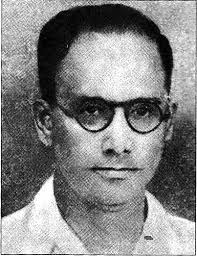
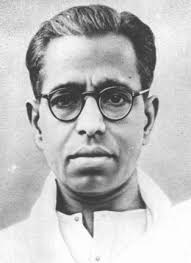
Kalki Krishnamurthy, whose full name was Ramaswamy Krishnamurthy, was born on 9 September 1899 in Puthamangalam, near Mayiladuthurai in present-day Tamil Nadu, India. He was born into a modest Brahmin family to Ramaswamy Aiyar and Thaiyal Nayagi Ammal.
Kalki received his early education in local schools and displayed a keen interest in reading and writing from a young age. Although he was academically bright, the growing influence of the Indian nationalist movement inspired him to discontinue his formal studies and dedicate himself to the cause of India’s freedom. The ideals propagated by Mahatma Gandhi had a profound impact on his life and future career.
Education & Skills
Education
- Studied in schools in the Thanjavur region of Tamil Nadu.
- Left formal education to participate in the Indian freedom struggle during the Non-Cooperation Movement.
Skills
Kalki was renowned for his diverse talents, including:
- Creative Writing: Mastered historical fiction, social novels, short stories, and essays.
- Journalism: Worked as an editor and columnist for influential Tamil magazines.
- Oratory: Delivered speeches supporting nationalism and social reform.
- Music Appreciation: Possessed extensive knowledge of Carnatic music and wrote music reviews.
- Translation and Adaptation: Introduced global literary ideas to Tamil readers through adaptations and commentaries.
- Editorial Leadership: Successfully managed literary publications and nurtured emerging writers.
Contribution to Tamil Literature
Kalki Krishnamurthy is regarded as one of the greatest writers in Tamil literature. His works popularized historical fiction and brought Tamil history alive for generations of readers.
Major Literary Contributions
1. Historical Novels
His historical novels remain classics of Tamil literature:
- Ponniyin Selvan (1950–1954) – A five-volume masterpiece depicting the rise of the Chola prince Arulmozhi Varman, who later became Rajaraja Chola I.
- Sivagamiyin Sabadham – Set during the Pallava period, this novel combines history, romance, and patriotism.
- Parthiban Kanavu – Narrates the dream of reviving Chola glory.
2. Social Novels
Kalki addressed social issues through engaging narratives:
- Alai Osai – Explored the impact of India’s freedom movement on ordinary lives. The novel later received the Sahitya Akademi Award posthumously.
- Thyaga Bhoomi – Focused on women’s empowerment, social justice, and nationalism.
3. Journalism
- Worked with the Tamil weekly Navasakthi under the guidance of freedom fighter and Tamil scholar Thiru. V. Kalyanasundaram.
- Later joined Ananda Vikatan, where he gained immense popularity through his serialized stories and articles.
- In 1941, he co-founded the magazine Kalki, which became one of the most influential Tamil literary magazines of its time.
4. Promotion of Tamil Culture
Through his writings, Kalki:
- Encouraged interest in Tamil history and heritage.
- Promoted appreciation for classical arts, especially music and dance.
- Inspired younger generations to read Tamil literature.
Role in India’s Freedom Movement
Kalki Krishnamurthy actively participated in the struggle for India’s independence.
Nationalist Activities
- Joined the Non-Cooperation Movement initiated by Mahatma Gandhi.
- Campaigned for khadi and the boycott of foreign goods.
- Wrote patriotic articles encouraging public participation in the freedom movement.
- Used journalism as a platform to spread nationalist ideas.
Imprisonment
His involvement in the freedom struggle led to his imprisonment by the British authorities. The experience strengthened his commitment to both nationalism and social reform, themes that later appeared in many of his literary works.
Personal Life
Kalki married Rukmini Ammal, who supported his literary and nationalist pursuits. The couple had children and maintained a family life rooted in traditional values and public service.
Despite his busy career as a writer and journalist, Kalki remained deeply interested in music, culture, and community development. He played a significant role in efforts to preserve and renovate historic sites associated with Tamil heritage.
He was known for:
- Simplicity and humility.
- Strong patriotic values.
- Dedication to Tamil language and culture.
- Commitment to ethical journalism.
Death
Kalki Krishnamurthy passed away on 5 December 1954 in Chennai at the age of 55. His untimely death marked the end of an extraordinary literary career, but his influence continues to shape Tamil literature.
Even decades after his death, his novels remain widely read and are regularly adapted for stage, television, and cinema. The enduring popularity of Ponniyin Selvan stands as a testament to his storytelling genius.
Legacy
Kalki Krishnamurthy occupies a unique place in the history of Tamil literature and Indian nationalism. As a novelist, journalist, and freedom fighter, he succeeded in blending entertainment with historical awareness and patriotic ideals. His works continue to inspire readers, scholars, and writers across generations, ensuring that his contribution to Tamil culture remains timeless.
About the Author