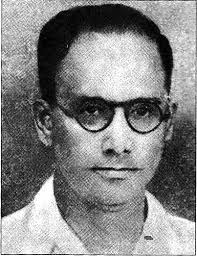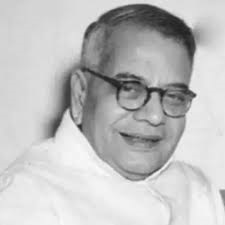
T. T. Krishnamachari (1899–1974), popularly known as TTK, was an eminent Indian statesman, industrialist, economist, and freedom movement participant. He played a significant role in shaping India’s economic policies after independence and served as the country’s Finance Minister on two occasions. He was also the founder of the renowned TTK Group.
Early Life and Education
Tiruvellore Thattai Krishnamachari was born on 15 January 1899 in Madras (now Chennai), Tamil Nadu. He was born into a well-established Tamil family and received his early education in Madras.
He studied at Madras Christian College, one of South India’s leading educational institutions. During his student years, he developed a strong interest in economics, public affairs, commerce, and national politics.
Education & Skills
T. T. Krishnamachari possessed a diverse range of skills that contributed to his success in public life:
- Expertise in economics and finance.
- Strong business and entrepreneurial abilities.
- Public administration and policymaking.
- Leadership and political strategy.
- Excellent communication and debating skills.
- Deep understanding of industrial development and trade.
His knowledge of finance and economic planning later made him one of independent India’s most influential policymakers.
Contribution to Tamil Literature
Although T. T. Krishnamachari was not primarily a literary figure, he contributed to the intellectual and educational development of society through his writings, speeches, and policy discussions.
His contributions included:
- Promoting education and knowledge dissemination.
- Delivering speeches on economics, governance, and national development.
- Supporting institutions that encouraged Tamil and Indian cultural advancement.
- Publishing articles and policy papers that influenced economic thought in India.
His work helped create awareness about economic self-reliance and national development among educated Indians.
Role in India’s Freedom Movement
T. T. Krishnamachari supported India’s struggle for independence through his association with the nationalist movement and the Indian National Congress.
His contributions included:
- Participation in Congress-led political activities during the final decades of British rule.
- Advocacy for Indian economic independence and industrial growth.
- Support for nationalist causes through public engagement and political activism.
- Contribution to constitutional discussions during India’s transition to self-government.
After independence, he became a member of the Constituent Assembly of India, where he participated in debates that shaped the Constitution of India.
Although he was not known for direct revolutionary activities, his role in nation-building and constitutional development was highly significant.
Personal Life
T. T. Krishnamachari led a life dedicated to public service, business development, and national progress.
Some notable aspects of his personal life include:
- Founder of the TTK business enterprise, which later became one of India’s prominent business groups.
- Close association with many national leaders during and after the independence movement.
- Active involvement in economic planning and industrial policy.
- Served as India’s Finance Minister from 1956–1958 and again from 1964–1965.
He was widely respected for his intellect, administrative ability, and commitment to economic modernization.
Death
T. T. Krishnamachari passed away on 26 January 1974 in Chennai at the age of 75.
His death marked the end of a distinguished career in public administration, economics, and national service. He left behind a lasting legacy in Indian finance, industry, and governance.
Legacy
T. T. Krishnamachari is remembered as:
- One of India’s most influential Finance Ministers.
- A member of the Constituent Assembly.
- A visionary economic planner.
- A successful entrepreneur and founder of the TTK Group.
- A contributor to India’s transition from colonial rule to independent nationhood.
His contributions to economic policy, industrial development, and constitutional governance continue to be studied and appreciated in modern India.
About the Author