Early Life and Education
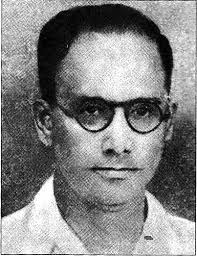
J. C. Kumarappa, originally named Joseph Chelladurai Cornelius Kumarappa, was born on 4 January 1892 in Tanjore (Thanjavur), Tamil Nadu, India. He was born into a Christian family and was one of the nine children of S. D. Cornelius and Esther Rajanayagam Cornelius.
Kumarappa received his early education in Tamil Nadu and showed exceptional aptitude in mathematics, economics, and public affairs. Driven by a desire for higher learning, he pursued studies abroad, which exposed him to modern economic theories and public administration practices. However, his later interaction with Mahatma Gandhi transformed his outlook, leading him to advocate an economic model rooted in self-sufficiency, rural development, and ethical values.
Education & Skills
Education
- Completed his early schooling in Tamil Nadu.
- Studied Commerce and Accountancy in the United Kingdom.
- Obtained professional qualifications in Public Accountancy.
- Pursued higher studies in Economics and Public Finance in the United States of America.
- Earned a master’s degree in economics, focusing on taxation and poverty-related issues in colonial India.
Skills
J. C. Kumarappa was known for his expertise in several fields:
- Economics: Specialized in rural economics and sustainable development.
- Public Finance: Studied taxation systems and their impact on society.
- Accountancy: Trained as a professional accountant.
- Research and Policy Analysis: Conducted extensive studies on village industries and economic planning.
- Writing and Journalism: Authored books and articles on Gandhian economics.
- Leadership: Guided institutions promoting rural industries and self-reliance.
Contribution to Tamil Literature
Although J. C. Kumarappa was not primarily a literary figure, he contributed significantly through his writings on economics, ethics, and social philosophy, many of which influenced Tamil intellectual circles.
Literary and Intellectual Contributions
- Authored several books explaining Gandhian economic principles in accessible language.
- Encouraged discussions on village-based development and social justice, themes that found expression in Tamil socio-political literature.
- His works were translated into Indian languages, including Tamil, helping readers understand alternative economic models.
Notable Works
Some of his important publications include:
- Economy of Permanence
- Why the Village Movement?
- Practice and Precepts of Jesus
- Gandhian Economic Thought
His writings emphasized that economic growth should serve humanity without harming nature or exploiting vulnerable communities.
Role in India’s Freedom Movement
J. C. Kumarappa played an important role in the Indian independence movement by providing an economic framework aligned with Gandhian ideals.
Association with Mahatma Gandhi
- Met Mahatma Gandhi in the late 1920s and became one of his closest economic advisers.
- Adopted the principles of Swadeshi, self-reliance, and non-violence in economic planning.
- Contributed articles supporting the nationalist cause and critiquing colonial economic policies.
Contributions to the Freedom Struggle
- Participated in constructive programmes aimed at strengthening rural India.
- Advocated the revival of village industries as a means of achieving economic independence from British rule.
- Served in the All India Village Industries Association, promoting cottage industries throughout the country.
- Endured imprisonment during the freedom movement due to his nationalist activities and support for Gandhian campaigns.
Kumarappa believed that true political freedom could not exist without economic freedom for India’s villages.
Personal Life
J. C. Kumarappa chose a simple lifestyle inspired by Gandhian principles.
- He remained deeply committed to social service and rural upliftment.
- Dedicated much of his life to research, teaching, and institution-building.
- Preferred modest living despite his international education and professional qualifications.
- Maintained close associations with leading national figures working toward India’s social and economic transformation.
His philosophy centered on harmony between people, the economy, and the environment.
Death
J. C. Kumarappa passed away on 30 January 1960 at the age of 68.
His death marked the loss of one of India’s foremost advocates of ethical economics. However, his ideas continue to influence scholars, environmentalists, and policymakers interested in sustainable development and decentralized economic systems.
Legacy
J. C. Kumarappa is remembered as the “Father of Gandhian Economics.” He offered a visionary alternative to industrial capitalism by emphasizing sustainability, village self-sufficiency, and human welfare.
His contributions extended beyond economics into the broader struggle for national reconstruction. Through his writings, activism, and policy work, Kumarappa demonstrated that economic systems should uphold justice, dignity, and environmental balance.
Today, his ideas remain relevant in discussions on sustainable development, local economies, and ethical governance, making him an enduring figure in India’s intellectual and freedom movement history.
About the Author