1. Introduction
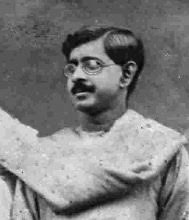
Dr. Jnanendra Nath Mukherjee (J. N. Mukherjee) was a pioneering Indian colloid chemist, soil scientist, agricultural researcher, and science administrator. He is regarded as one of the founders of modern colloid chemistry and soil science in India. His research on electrochemistry of colloids, soil properties, and agricultural chemistry significantly advanced scientific knowledge and agricultural development. He also held several important leadership positions, including Director of the Indian Agricultural Research Institute (IARI) and President of the Indian Science Congress Association. In recognition of his outstanding contributions to Science and Engineering, the Government of India awarded him the Padma Bhushan in 1964.
2. Quick Facts
| Particular | Details |
|---|---|
| Full Name | Dr. Jnanendra Nath Mukherjee |
| Native Name | জ্ঞানেন্দ্র নাথ মুখার্জী (Bengali) |
| Date of Birth | 23 April 1893 |
| Place of Birth | Mahadevpur, Rajshahi District, Bengal Presidency, British India (now in Bangladesh) |
| Date of Death | 10 May 1983 |
| Place of Death | Calcutta (Kolkata), West Bengal, India |
| Nationality | Indian |
| Occupation / Profession | Chemist, Soil Scientist, Agricultural Researcher, Science Administrator |
| Field of Achievement | Colloid Chemistry, Soil Science, Agricultural Science |
| Years Active | 1915–1983 |
| Known For | Boundary Method, Colloid Chemistry, Soil Science, Agricultural Research |
3. Award Information
Award Name
Padma Bhushan
Award Category
Science and Engineering
Award Year
1964
Presented By
President of India
Date of Ceremony
1964 Padma Awards Investiture Ceremony
Official Citation / Reason
Dr. Jnanendra Nath Mukherjee was awarded the Padma Bhushan for his distinguished contributions to colloid chemistry, soil science, agricultural research, and scientific institution building in India.
Previous Recipients (Optional)
The Padma Bhushan is not awarded in sequential order; therefore, there are no official previous recipients.
Next Recipients
Not applicable.
4. Why Did Jnanendra Nath Mukherjee Receive the Padma Bhushan?
He received the Padma Bhushan because he:
- Made pioneering contributions to colloid chemistry.
- Developed the Boundary Method for determining the electrophoretic mobility of colloidal particles.
- Advanced research in soil chemistry and agricultural science.
- Strengthened India’s agricultural research institutions.
- Mentored generations of scientists.
- Contributed to scientific policy and higher education in independent India.
5. Early Life
Jnanendra Nath Mukherjee was born on 23 April 1893 in Mahadevpur, Rajshahi District (now in Bangladesh). He was the eldest son of Durgadas Mukherjee and Saratshashi Devi. After losing his father at a young age, he continued his education through scholarships and excelled academically despite financial challenges.
6. Education
Dr. Mukherjee received his higher education from the University of Calcutta.
Educational Qualifications
- Municipal High School, Burdwan.
- B.Sc. from Presidency College, University of Calcutta (1913).
- M.Sc. in Chemistry from Rajabazar Science College, University of Calcutta (1915).
- Advanced research training at University College London under the renowned physical chemist Prof. F. G. Donnan (1919).
7. Career Journey
Dr. Mukherjee devoted his career to scientific research, education, and institution building.
Career Highlights
- Began as a lecturer in chemistry at the University of Calcutta.
- Conducted internationally recognized research in colloid chemistry.
- Expanded his work into soil science and agricultural chemistry.
- Served as Director of the Indian Agricultural Research Institute (IARI).
- Served as Director of the Central Building Research Institute (CBRI), Roorkee.
- Worked as Scientific Adviser to the Government of West Bengal.
- Served as a Member of the Union Public Service Commission (UPSC).
- Held leadership positions in several national scientific organizations.
8. Major Achievements
- Developed the Boundary Method in colloid chemistry.
- Founded a strong school of colloid science in India.
- Advanced soil chemistry research.
- Helped establish postgraduate agricultural education at IARI.
- Served as President of the Indian Science Congress Association.
- Served as President of the Indian Chemical Society.
- Received the Padma Bhushan (1964).
- Honored as a Commander of the Order of the British Empire (CBE) in 1943.
9. Contribution to the Nation
Dr. Mukherjee made lasting contributions by:
- Advancing scientific research in chemistry and agriculture.
- Improving understanding of soil fertility and agricultural productivity.
- Strengthening India’s agricultural research system.
- Promoting higher education in science.
- Representing India at international scientific conferences.
- Inspiring generations of chemists and agricultural scientists.
10. Other Awards and Honours
Besides the Padma Bhushan, Dr. Mukherjee received:
- Commander of the Order of the British Empire (CBE) (1943).
- Fellow of the Royal Society of Chemistry (FRSC).
- Fellow of the Indian Academy of Sciences.
- Founder Secretary and later President of the Indian Chemical Society.
- President of the Indian Society of Soil Science.
- President of the Indian Association for the Cultivation of Science.
- President of the Indian Science Congress Association (1952).
11. Legacy and Influence
Dr. Jnanendra Nath Mukherjee is remembered as one of India’s foremost chemists and soil scientists.
His legacy includes:
- Establishing internationally respected research in colloid chemistry.
- Advancing agricultural science in India.
- Building scientific institutions.
- Training future generations of researchers.
- Influencing chemistry, soil science, and agricultural education in India.
12. Interesting Facts
- He published his first major research paper while still an M.Sc. student.
- He trained under renowned chemist F. G. Donnan in London.
- He helped establish postgraduate agricultural education at IARI.
- He represented India at several international scientific conferences.
- His Boundary Method remains an important contribution to colloid chemistry.
13. Quotes
There are no widely authenticated quotations attributed to Dr. Jnanendra Nath Mukherjee in reliable historical sources. For a factual blog, it is best not to include unverified quotes.
14. Timeline
| Year | Event |
|---|---|
| 1893 | Born in Mahadevpur, Rajshahi District |
| 1913 | Earned B.Sc. from Presidency College |
| 1915 | Completed M.Sc. and published first research paper |
| 1919 | Began advanced research at University College London |
| 1943 | Appointed Commander of the Order of the British Empire (CBE) |
| 1952 | Became President of the Indian Science Congress Association |
| 1958 | Helped establish the postgraduate school at IARI |
| 1964 | Awarded the Padma Bhushan |
| 1983 | Passed away in Kolkata |
15. References
- Padma Awards Portal (Government of India) – https://dashboard.padmaawards.gov.in/
- Padma Awards 1964 Gazette Notification – https://www.padmaawards.gov.in/Document/pdf/notifications/PadmaAwards/1964.pdf
- Wikipedia – Jnanendra Nath Mukherjee.
- Indian Agricultural Research Institute (IARI) historical publications.
16. Related Personalities
- Jnan Chandra Ghosh – Indian chemist and collaborator.
- F. G. Donnan – British physical chemist and mentor.
- Meghnad Saha – Astrophysicist.
- Satyendra Nath Bose – Theoretical physicist.
- Verghese Kurien – Agricultural institution builder (later generation).
17. Frequently Asked Questions (FAQ)
Who was Jnanendra Nath Mukherjee?
Dr. Jnanendra Nath Mukherjee was an Indian chemist, soil scientist, and agricultural researcher who made pioneering contributions to colloid chemistry and soil science.
Why is Jnanendra Nath Mukherjee famous?
He is renowned for developing the Boundary Method, advancing colloid chemistry, strengthening agricultural research, and helping build India’s scientific institutions.
Which award did Jnanendra Nath Mukherjee receive?
He received the Padma Bhushan in 1964 in the field of Science and Engineering.
What were his major scientific contributions?
His research focused on colloid chemistry, electrochemistry, soil science, and agricultural chemistry, with the Boundary Method being one of his best-known scientific achievements.
What is Jnanendra Nath Mukherjee’s legacy?
He is remembered as a pioneer of Indian colloid chemistry and soil science whose research, teaching, and institution-building efforts greatly influenced agricultural science and chemical research in India.
About the Author