

1. Introduction
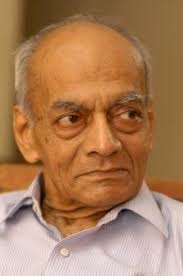
Holenarasipur Yoganarasimham Sharada Prasad (1924–2008), widely known as H. Y. Sharada Prasad, was one of India’s most respected civil servants, journalists, and public intellectuals. Best known as the trusted press and media advisor to four Indian Prime Ministers—most notably Jawaharlal Nehru, Indira Gandhi, and Rajiv Gandhi—he set the gold standard for political communication, integrity, and administrative grace. A freedom fighter in his youth and an erudite author later in life, Sharada Prasad remained a quiet, powerful architect behind the scenes of modern Indian governance and cultural institution-building.
2. Quick Facts
- Full Name: Holenarasipur Yoganarasimham Sharada Prasad (H. Y. S. Prasad)
- Native Name: ಹೊಲೆನರಸೀಪುರ ಯೋಗನರಸಿಂಹ ಶಾರದ ಪ್ರಸಾದ್
- Date of Birth: April 15, 1924
- Place of Birth: Bangalore, Karnataka, India (then Kingdom of Mysore)
- Nationality: Indian
- Occupation / Profession: Journalist, Civil Servant, Author, and Press Advisor
- Field of Achievement: Political Journalism, Media Administration, Public Policy, and Cultural Institution Building
- Years Active: 1940s–2008
3. Award Information (Focus: Padma Bhushan)
- Award Name: Padma Bhushan
- Award Category: Civil Honours (Third Highest Civilian Award in India)
- Award Year: 2001
- Presented By: The President of India (at Rashtrapati Bhavan, New Delhi)
- Citation / Official Reason: Recognized for his distinguished service to literature, journalism, and public administration over decades.
- Previous Recipients: Eminent national leaders, scholars, journalists, and public servants.
- Next Recipients: Succeeding national laureates in subsequent years.
4. Why They Received the Award
H. Y. Sharada Prasad was awarded the Padma Bhushan for his lifelong, exemplary dedication to public service and his profound impact on Indian journalism and governmental communication. Operating with absolute modesty behind the highest offices of power, he shaped the nation’s political discourse during turbulent eras, anchored ethical standards in public relations, and contributed significantly to India’s institutional landscape.
5. Early Life
Born in Bangalore in 1924 to an erudite Sanskrit scholar and musicologist father (H. Yoganarasimham) and a prominent social worker mother, Sharada Prasad grew up in an intellectually vibrant environment. During his college years at Maharaja’s College, Mysore, he plunged into the Indian freedom struggle. As a student leader deeply inspired by Mahatma Gandhi, he actively participated in the 1942 Quit India Movement and was imprisoned twice by the colonial administration, spending a total of 16 months behind bars.
6. Education
- Undergraduate Studies: Earned his Bachelor of Arts (Hons.) degree in English Literature from Maharaja’s College, Mysore, where he excelled as a brilliant student union leader and debater.
- Harvard University (1955–1956): Selected as a prestigious Nieman Fellow in Journalism at Harvard University, sharpening his global perspectives on media and democratic governance.
7. Career Journey
- Early Journalism: Began his professional career as a journalist with The Indian Express group in Bombay.
- Editor of Yojana: Joined the Publications Division of the Government of India and later served as the editor of Yojana, the flagship journal of the Planning Commission.
- PMO Media Advisor: Caught the attention of Prime Minister Jawaharlal Nehru through his exceptional exhibition design on economic development. He went on to serve as the principal Information/Media Advisor to Prime Ministers Indira Gandhi, Morarji Desai, and Rajiv Gandhi.
- Institutional Leadership: Played a core foundational role in setting up prestigious national institutions including the Indian Institute of Mass Communication (IIMC) and the National Institute of Design (NID).
8. Major Achievements
- The Voice Behind Power: Drafted countless historic speeches, policy notes, and public addresses for Prime Ministers Indira Gandhi and Rajiv Gandhi, earning a reputation for unmatched prose and political nuance.
- Champion of Institutional Autonomy: Successfully navigated volatile political shifts—retaining his core advisory role across changing regimes (from Indira Gandhi to Morarji Desai and back)—purely on the strength of his unimpeachable professional credibility.
- Literary and Translation Excellence: Translated literary classics like R.K. Narayan’s Swami and Friends into Kannada and wrote acclaimed memoirs and reflections.
9. Contribution to the Nation
Sharada Prasad played a vital role in institutionalizing transparent and dignified government communication in independent India. By bridging the gap between the executive branch, the press, and the public, he upheld democratic norms during critical national junctures, including the Emergency. Furthermore, his shaping of institutions like NID and IIMC helped foster professional design and media standards across the country.
10. Other Awards and Honours
- Padma Bhushan (2001): Conferred by the Government of India for literature and education.
- Nieman Fellowship (Harvard University, 1955): Recognized internationally for journalistic excellence.
- Honorary Recognitions: Felicitated by various academic and press associations across India for a lifetime of ethical journalism.
11. Legacy and Influence
Sharada Prasad is remembered as a rare bureaucrat and advisor who wielded immense proximity to ultimate political power yet remained remarkably humble, ascetic, and uncorrupted. He did not seek personal glory, titles, or material wealth, choosing instead to let his understated wit, razor-sharp editorial clarity, and quiet counsel define his legacy. His memoirs, A Window on the Wall, remain essential reading for students of modern Indian politics and journalism.
12. Interesting Facts
- Affectionate Moniker: Closely knit family and friends fondly called him “Shouri.”
- Prison Diaries: His time spent behind bars during the 1942 Quit India movement gave birth to deep historical reflections which later colored his writings on India’s political evolution.
13. Quotes
“Power is transient, but the written word and the integrity of an honest record endure. A true civil servant serves the nation’s permanent institutions, not transient political figures.” — H.Y. Sharada Prasad
14. Timeline
- 1924: Born on April 15 in Bangalore.
- 1942–1943: Imprisoned for 16 months for participating in the Quit India movement.
- 1955–1956: Studied at Harvard University as a Nieman Fellow.
- 1960s–1970s: Edited Yojana and transitioned into key advisory roles in the Prime Minister’s Office (PMO).
- 1980s: Continued as a core counselor and media advisor to Indira Gandhi and Rajiv Gandhi.
- 2001: Conferred the Padma Bhushan by the President of India.
- 2008: Passed away on September 2 in New Delhi at the age of 84.
15. References
- Wikipedia contributors. “H. Y. Sharada Prasad.” Wikipedia, The Free Encyclopedia.
- The Hindu. “Sharada Prasad dead” (September 3, 2008).
- H.Y. Sharada Prasad. A Window on the Wall: Memoirs and Essays. Navakarnataka Publications.
- Dr. S. Srikanta Sastri Official Archives. “Biography of H. Y. Sharada Prasad.”
16. Related Personalities
- Indira Gandhi (Former Prime Minister and primary principal he advised)
- Rajiv Gandhi (Former Prime Minister and statesman)
- R. K. Narayan (Renowned author whose work Sharada Prasad translated)
17. Frequently Asked Questions (FAQ)
- Q: Who was H.Y. Sharada Prasad?A: He was an eminent Indian journalist, freedom fighter, and civil servant best known for serving as the media advisor to four Indian Prime Ministers.
- Q: Which Prime Ministers did he serve?A: He worked closely with Jawaharlal Nehru, Indira Gandhi, Morarji Desai, and Rajiv Gandhi.
- Q: What institutions did he help establish?A: He played a vital role in setting up the Indian Institute of Mass Communication (IIMC) and the National Institute of Design (NID).
About the Author




