

1. Introduction
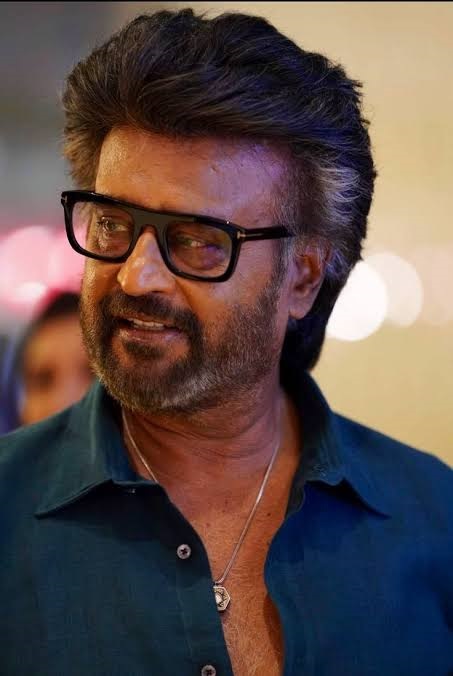
Shivaji Rao Gaikwad (born December 12, 1950), universally known by his stage name Rajinikanth, is a cultural phenomenon, legendary actor, and philanthropist who reigns supreme in Indian cinema—affectionately revered by millions as “Thalaivar” (The Leader). Rising from humble beginnings as a bus conductor in Bangalore, he transcended linguistic barriers to become the ultimate icon of commercial cinema, renowned for his inimitable style, gravity-defying screen mannerisms, and unmatched mass appeal. Over a career spanning more than five decades, he has starred in over 160 films across Tamil, Hindi, Telugu, Kannada, and Malayalam cinema, cementing his status as one of the most bankable and beloved superstars in Asian film history.
2. Quick Facts
- Full Name: Shivaji Rao Gaikwad
- Native Name: ಶಿವಾಜಿ ರಾವ್ ಗಾಯ್ಕವಾಡ್ (Marathi/Kannada roots); രജനികാന്ത് (Tamil)
- Date of Birth: December 12, 1950
- Place of Birth: Bangalore, Mysore State (now Karnataka, India)
- Nationality: Indian
- Occupation / Profession: Actor, Producer, and Screenwriter
- Field of Achievement: Film Acting, Commercial Cinema, and Pop Culture
- Years Active: 1975–Present
3. Award Information (Focus: Dadasaheb Phalke Award)
- Award Name: Dadasaheb Phalke Award
- Award Category: India’s Highest Award in Cinema
- Award Year: 2019 (Conferred in November 2021 due to pandemic delays)
- Presented By: The Vice President of India / Directorate of Film Festivals
- Date of Ceremony: October 25, 2021 (at the 67th National Film Awards ceremony, New Delhi)
- Citation / Official Reason: Conferred in recognition of his monumental, lifelong contribution to Indian cinema as an actor, producer, and cultural icon.
- Previous Recipients: Amitabh Bachchan, Vinod Khanna, K. Viswanath, Manoj Kumar, etc.
- Next Recipients: Asha Parekh, Waheeda Rehman, Mithun Chakraborty, etc.
4. Why They Received the Award
Rajinikanth was honored with the Dadasaheb Phalke Award for his unparalleled five-decade journey in cinema. From his intense anti-hero and villainous roles in the 1970s under legendary directors like K. Balachandar to becoming South India’s undisputed box-office emperor, his unique screen persona, signature mannerisms (such as flipping sunglasses or lighting cigarettes mid-air), and deep-rooted humility captured the imagination of generations. The award recognized not just his cinematic footprint, but his profound cultural integration across diverse linguistic communities in India and abroad.
5. Early Life
Born into a modest Marathi-speaking family in Bangalore, Rajinikanth was the fourth child of Ramojirao Gaikwad (a police constable) and Jijabai. He lost his mother at the tender age of nine. Growing up amidst severe financial constraints, he worked various odd jobs—including as a carpenter, coolie, and eventually as a bus conductor for the Bangalore Transport Service (BTS). During his time on the buses, his flair for theatrics and styling began turning heads among passengers and colleagues alike. Driven by a deep passion for acting, he enrolled in the Madras Film Institute in 1973, where he caught the eye of director K. Balachandar.
6. Education
- Schooling: Completed his primary and secondary schooling at Acharya Patashala (APS) Public School in Bangalore.
- Acting Training: Graduated from the Madras Film Institute, Chennai, in 1973, where he formally honed his craft under expert tutelage, mastering Tamil diction and stage presence.
7. Career Journey
- Breakthrough Debut (1975): Made his cinematic debut in K. Balachandar’s acclaimed Tamil drama Apoorva Raangangal, playing a brief, impactful supporting role.
- Rise as a Villain & Anti-Hero (1975–1978): Built early fame playing dark, menacing antagonist roles in films like Moondru Mudichu, 16 Vayathinile, and Avargal, showcasing raw intensity.
- Transition to Lead Hero: Starred as a solo lead in blockbusters like Bairavi (1978), earning the moniker “Superstar” from producer S. Thanu.
- Pan-Indian Stardom: Delivered monumental hits across decades—including Thillu Mullu, Padikkathavan, Muthu (which created a massive fan following in Japan), Baashha, Sivaji, Enthiran (Robot), and Jailer.
8. Major Achievements
- Unprecedented Global Fanbase: Became the first South Indian actor to command massive box-office markets in Japan, Malaysia, Singapore, and the US, with films like Muthu sparking a cultural craze in Japan.
- Sci-Fi & Technical Milestones: Headlined Enthiran (2010) and its sequel 2.0 (2018), which pushed the boundaries of CGI, robotics, and VFX in Indian cinematic history.
- Civilian Honors: Conferred the Padma Bhushan (2000) and the Padma Vibhushan (2016) by the Government of India, alongside multiple Filmfare and State Film Awards.
9. Contribution to the Nation
Beyond entertainment, Rajinikanth’s journey from a working-class bus conductor to a national icon serves as an enduring symbol of merit, perseverance, and democratic upward mobility in India. His philanthropic efforts—ranging from disaster relief contributions to supporting medical trusts and educational initiatives—have positively impacted countless lives across the country.
10. Other Awards and Honours
- Padma Bhushan (2000): India’s third-highest civilian honor.
- Padma Vibhushan (2016): India’s second-highest civilian honor.
- Raj Kapoor Award (2007): Conferred by the Government of Maharashtra.
- Icon of Global Cinema Award: Presented at the 45th International Film Festival of India (IFFI) in 2014.
- SIIMA Lifetime Achievement Award: For decades of stellar cinematic excellence.
11. Legacy and Influence
Rajinikanth is more than an actor; he is a cultural institution. His mannerisms, dialogues, and timeless screen aura have spawned countless pop-culture references, memes, and fan celebrations globally. Despite his monumental fame, his legendary simplicity, public acceptance of his baldness and aging appearance without wigs, and deep spiritual grounding have endeared him permanently to the hearts of millions.
12. Interesting Facts
- The Bus Conductor Roots: Before entering films, he was a popular bus conductor in Bangalore, where commuters would wait for his specific bus just to watch his ticket-issuing style.
- Spiritual Seeker: He is an ardent follower of Kriya Yoga and frequently visits Himalayan ashrams for spiritual rejuvenation between grueling film schedules.
13. Quotes
“Styling is not just about clothes or glasses; it is an attitude that comes from within when you are true to your roots and honest to your work.” — Rajinikanth
14. Timeline
- 1950: Born on December 12 in Bangalore.
- 1973: Joined the Madras Film Institute to study acting.
- 1975: Made his acting debut in Apoorva Raangangal.
- 1978: Starred in Bairavi, earning the title “Superstar.”
- 1995: Released Baashha, cementing his status as an undisputed box-office king.
- 2000: Conferred the Padma Bhushan by the Government of India.
- 2010: Starred in the path-breaking sci-fi blockbuster Enthiran.
- 2016: Conferred the Padma Vibhushan.
- 2021: Awarded the prestigious Dadasaheb Phalke Award.
15. References
- Wikipedia contributors. “Rajinikanth.” Wikipedia, The Free Encyclopedia.
- The Hindu. “Rajinikanth conferred with Dadasaheb Phalke Award” (October 2021).
- Naman Ramachandran. Rajinikanth: The Definitive Biography. Penguin Books.
- Directorate of Film Festivals, Ministry of Information and Broadcasting, India.
16. Related Personalities
- K. Balachandar (Legendary mentor and director who launched his career)
- Kamal Haasan (Contemporaneous peer and lifelong cinematic friend)
- Latha Rajinikanth (Wife, philanthropist, and cultural entrepreneur)
17. Frequently Asked Questions (FAQ)
- Q: What is Rajinikanth’s real name?
- A: His real name is Shivaji Rao Gaikwad.
- Q: When did he receive the Dadasaheb Phalke Award?
- A: He was awarded the Dadasaheb Phalke Award in 2019 (presented in October 2021).
- Q: What was his profession before entering movies?
- A: Before acting, he worked in various jobs, most famously as a bus conductor for the Bangalore Transport Service (BTS).
About the Author




