

1. Introduction
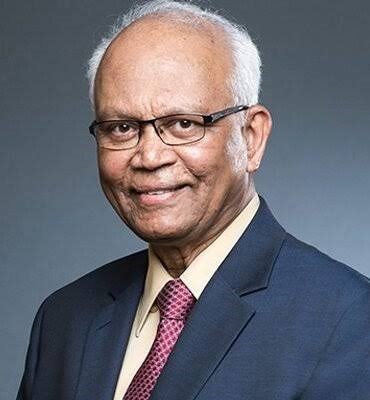
Dr. Raghunath Anant Mashelkar (born 1943) is one of India’s most celebrated chemical engineers, visionary science administrators, and global champions of intellectual property and innovation. Best known for transforming the Council of Scientific and Industrial Research (CSIR) into a globally competitive R&D powerhouse during his tenure as Director General, Dr. Mashelkar has spent decades bridging the gap between high-end scientific research, national development, and grassroots innovation. He holds the rare distinction of being elected a Fellow of the Royal Society (FRS), London, and is the recipient of India’s top three civilian honors.
2. Quick Facts
- Full Name: Raghunath Anant Mashelkar
- Date of Birth: January 1, 1943
- Place of Birth: Mashel, Goa, India
- Nationality: Indian
- Occupation / Profession: Chemical Engineer, Scientist, Academic Administrator, and Innovation Evangelist
- Field of Achievement: Polymer Science, Rheology, Transport Phenomena, and Science & Technology Policy
- Years Active: 1969–Present
3. Award Information (Focus: Padma Vibhushan)
- Award Name: Padma Vibhushan
- Award Category: Civil Honours (Second Highest Civilian Award in India)
- Award Year: March 2014
- Presented By: The President of India (at Rashtrapati Bhavan, New Delhi)
- Citation / Official Reason: Honored for his exceptional and distinguished service to the nation in the fields of science, engineering, and technology leadership.
- Previous Recipients: Eminent national leaders, scientists, and global statesmen.
- Next Recipients: Succeeding batches of national laureates in subsequent years.
4. Why They Received the Award
Dr. R.A. Mashelkar received the Padma Vibhushan (preceded by the Padma Shri in 1991 and Padma Bhushan in 2000) for his monumental contributions to restructuring India’s scientific infrastructure. By repositioning CSIR as an intellectual property powerhouse, protecting India’s traditional knowledge systems (such as fighting the international patenting of turmeric and basmati rice), and guiding national policies on auto-fuels, drug regulation, and higher education, he fundamentally reshaped modern technological self-reliance in India.
5. Early Life
Born into a modest family in Mashel, Goa, young Raghunath faced intense financial hardship. After losing his father early, his mother, Anjani Mashelkar, showed extraordinary grit by moving them to Mumbai in search of a better livelihood. Growing up in a shared tenement (chawl), he often walked to school barefoot and struggled to pay fees. However, his natural academic brilliance, combined with a life-changing spark ignited by a school science teacher, propelled him toward higher education.
6. Education
- Undergraduate Studies: Earned his Bachelor’s degree in Chemical Engineering (B.Chem.Eng.) in 1966 from the University Department of Chemical Technology (UDCT)—now the Institute of Chemical Technology (ICT), Mumbai.
- Doctoral Studies: Completed his Ph.D. in Chemical Engineering from the same institution in 1969 under the mentorship of renowned chemical engineer Prof. M.M. Sharma.
7. Career Journey
- Early Academic Roles (1969–1976): Worked as a Lecturer in Chemical Engineering at the University of Salford in England, followed by a stint as a Visiting Professor at the University of Delaware, USA.
- National Chemical Laboratory (NCL): Returned to India in 1976 to join NCL as a scientist, later rising to become its Director.
- Director General of CSIR (1995–2006): Headed the Council of Scientific and Industrial Research for over a decade, driving a massive cultural shift toward patent creation, industrial partnerships, and commercial viability.
- Advisory & Global Leadership: Served on the Scientific Advisory Council to the Prime Minister, led the Global Research Alliance, and served on advisory boards for top global institutions and corporations.
8. Major Achievements
- The CSIR Transformation: Converted CSIR from a sluggish, grant-dependent body into “CSIR Inc.,” a globally competitive entity that aggressively patented innovations, earning global awe.
- Defending Traditional Knowledge: Spearheaded the creation of India’s Traditional Knowledge Digital Library (TKDL), which successfully prevented Western pharmaceutical giants from bio-pirating and patenting traditional Indian herbs like turmeric and neem.
- Global Academic Honors: Achieved the rare distinction of being elected a Fellow of the Royal Society (FRS, London), Foreign Associate of the US National Academy of Sciences, and Foreign Associate of the US National Academy of Engineering.
9. Contribution to the Nation
Dr. Mashelkar revolutionized how India views intellectual property. He instilled a culture of “dare to discover” among Indian scientists, moving the nation away from a copycat industrial model to an innovation-led growth model. His policy frameworks on clean auto-fuels and regulatory reforms laid the groundwork for modern, environmentally conscious industrial expansion in India.
10. Other Awards and Honours
- Padma Shri (1991) & Padma Bhushan (2000): Conferred by the President of India.
- Shanti Swarup Bhatnagar Prize (1982): Awarded for excellence in Engineering Sciences.
- J.R.D. Tata Corporate Leadership Award (1998): First scientist to win this prestigious corporate honor.
- Business Week “Stars of Asia” Award (2005): Presented by former US President George H.W. Bush, making him the first Asian scientist to receive it.
- Honorary Doctorates: Has received over 40 honorary doctorates from elite global universities, including London, Salford, and Wisconsin.
11. Legacy and Influence
Dr. Mashelkar remains an apostle of inclusive innovation, famously coining the phrase “Inclusive Innovation”—doing more from less for more people. His journey from a barefoot boy in a Mumbai chawl to advising world leaders and leading global scientific panels serves as an enduring testament to the power of grit, intellect, and public service.
12. Interesting Facts
- Record Holder for Doctorates: He surpassed Dr. A.P.J. Abdul Kalam’s record for the highest number of honorary doctorates awarded to any Indian engineer.
- The “Chawl” Root: Despite managing multi-billion dollar research portfolios, he remains deeply grounded, frequently returning to mentor young underprivileged students across India.
13. Quotes
“We must move from ‘Copycat’ to ‘Creator’ India. Innovation is not just about high-tech labs; it is about finding smarter, cheaper, and better solutions to improve the life of the common man.” — Dr. R.A. Mashelkar
14. Timeline
- 1943: Born on January 1 in Mashel, Goa.
- 1969: Completed his Ph.D. from the University of Bombay (UDCT).
- 1976: Returned to India to join the National Chemical Laboratory (NCL) as a scientist.
- 1991: Awarded the Padma Shri by the Government of India.
- 1995: Appointed Director General of CSIR (served until 2006).
- 1998: Elected a Fellow of the Royal Society (FRS), London.
- 2000: Conferred the Padma Bhushan.
- 2014: Conferred India’s second-highest civilian honor, the Padma Vibhushan.
15. References
- Wikipedia contributors. “Raghunath Mashelkar.” Wikipedia, The Free Encyclopedia.
- Official Website of Dr. R.A. Mashelkar. “Life & Career Milestones.”
- InterAcademy Partnership (IAP) & NIIT University Faculty Biographies.
- Business India Archives. “CEO of CSIR Inc.” (Cover Story, June 1999).
16. Related Personalities
- Dr. A.P.J. Abdul Kalam (Fellow visionary scientist and aerospace leader)
- Prof. M.M. Sharma (Renowned chemical engineering mentor and academician)
- J.R.D. Tata (Industrialist and pioneer of modern corporate leadership)
17. Frequently Asked Questions (FAQ)
- Q: What is Dr. R.A. Mashelkar best known for?A: He is best known for his revolutionary leadership at CSIR, his defense of India’s traditional knowledge against biopiracy, and his contributions to polymer science and chemical engineering.
- Q: Which major awards has he received from the Government of India?A: He has received all three major civilian honors: Padma Shri (1991), Padma Bhushan (2000), and Padma Vibhushan (2014).
- Q: Is he a Fellow of the Royal Society?A: Yes, he was elected a Fellow of the Royal Society (FRS), London, in 1998.
About the Author




