

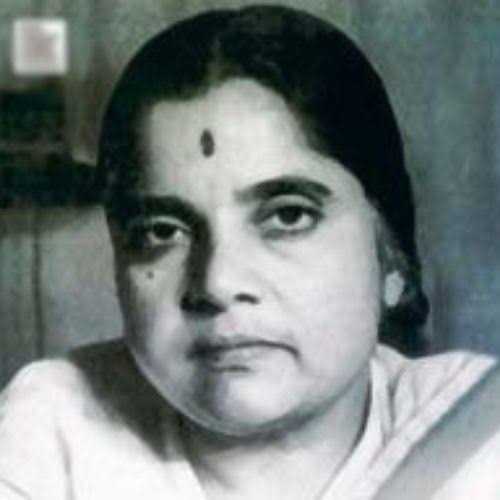
Introduction
Durgabai Deshmukh was an eminent freedom fighter, lawyer, social reformer, educationist, and champion of women’s rights. She dedicated her life to India’s independence movement and later worked tirelessly for the welfare of women, children, and marginalized communities. As a member of the Constituent Assembly of India, she contributed to the framing of the Indian Constitution. In recognition of her outstanding service to the nation, she was awarded the prestigious Padma Vibhushan in 1975.
Early Life
Durgabai Deshmukh was born into a Telugu-speaking family that encouraged education and patriotism. From an early age, she displayed courage, leadership, and a deep commitment to social justice. Inspired by the Indian freedom movement, she actively participated in nationalist activities while still a young girl.
She was strongly influenced by the ideals of Mahatma Gandhi and became an active participant in the struggle for India’s independence.
Birth Date and Death
- Date of Birth: 15 July 1909
- Place of Birth: Rajahmundry, Andhra Pradesh (then Madras Presidency), India
- Date of Death: 9 May 1981
- Age at Death: 71 years
Education and Career
Despite facing social and financial challenges, Durgabai Deshmukh pursued higher education with determination. She earned a degree in law from University of Madras and became a practicing lawyer.
Her professional life combined law, social service, and public administration. She held several important positions, including:
- Freedom fighter in the Indian independence movement
- Lawyer and advocate
- Member of the Constituent Assembly of India
- Founder of the Andhra Mahila Sabha
- Founder of educational and healthcare institutions for women and children
- Chairperson of the Central Social Welfare Board
Through these roles, she worked to improve education, healthcare, and social welfare across India.
Career and Achievements
Durgabai Deshmukh made remarkable contributions to nation-building and social development.
Her major achievements include:
- Participated actively in India’s freedom struggle and was imprisoned during the movement.
- Served as a member of the Constituent Assembly and contributed to drafting the Constitution.
- Founded Andhra Mahila Sabha, which grew into a leading organization providing education, healthcare, and vocational training.
- Established schools, colleges, hospitals, and welfare centers for women and children.
- Played a key role in developing India’s social welfare policies through the Central Social Welfare Board.
- Worked tirelessly to promote women’s education, legal rights, and economic empowerment.
Her efforts transformed the lives of countless women and disadvantaged communities.
Why Did She Receive the Padma Vibhushan Award?
Durgabai Deshmukh received the Padma Vibhushan in 1975 for her exceptional contributions to Social Work and Public Affairs.
The Government of India honored her because:
- She devoted her life to women’s education and empowerment.
- She played an important role in India’s freedom movement.
- She contributed to the framing of the Indian Constitution.
- She established institutions that continue to provide education and healthcare.
- She strengthened India’s social welfare system through visionary leadership.
Her work had a lasting impact on social justice and national development.
Field of Achievement
Durgabai Deshmukh excelled in several fields, including:
- Social Work
- Women’s Empowerment
- Law
- Education
- Public Administration
- Freedom Movement
- Social Welfare
She is remembered as one of India’s foremost social reformers.
Awards and Honours
Durgabai Deshmukh received several honours during her lifetime, including:
- Padma Vibhushan (1975)
- National recognition for her contributions to social welfare and women’s rights.
- Leadership positions in important national welfare organizations.
- Several educational institutions have been named in her honour.
Interesting Facts
- She joined the Indian freedom movement as a teenager.
- She actively promoted the use of Hindi during the independence movement.
- She founded Andhra Mahila Sabha, which continues to serve society through schools, colleges, hospitals, and training centers.
- She was one of the few women members of the Constituent Assembly of India.
- She worked closely with Mahatma Gandhi and other national leaders.
- She married C. D. Deshmukh, the first Indian Governor of the Reserve Bank of India and a former Union Finance Minister.
Legacy and Inspiration
Durgabai Deshmukh’s legacy continues through the institutions she founded and the social reforms she championed. Her lifelong commitment to women’s education, healthcare, and equal opportunities has inspired generations of social workers and reformers.
She continues to inspire:
- Women leaders
- Social workers
- Lawyers
- Educators
- Students
- Public servants
Her life demonstrates how determination and compassion can bring meaningful social change.
Contribution to the Nation
Durgabai Deshmukh made invaluable contributions to India’s development through her work in education, social welfare, and constitutional governance.
Her contributions include:
- Participating in India’s struggle for independence.
- Helping draft the Constitution of India.
- Promoting women’s education and legal awareness.
- Establishing institutions for healthcare, education, and vocational training.
- Strengthening India’s social welfare system through the Central Social Welfare Board.
Her work continues to improve the lives of millions through the institutions and policies she helped create.
Conclusion
Durgabai Deshmukh was one of India’s greatest social reformers, freedom fighters, and champions of women’s empowerment. Her remarkable contributions to the independence movement, constitutional development, education, and social welfare earned her the Padma Vibhushan in 1975. Through her vision, leadership, and dedication to public service, she transformed countless lives and strengthened India’s social fabric. Her enduring legacy remains an inspiration for all who strive to build a more just, inclusive, and compassionate society.
About the Author




