

Introduction
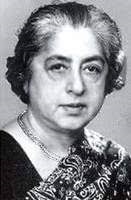
Mary Clubwala Jadhav was one of India’s most respected social workers and philanthropists. She dedicated more than five decades of her life to improving the welfare of women, children, soldiers, refugees, and underprivileged communities. Through her leadership in numerous charitable organizations, she transformed social welfare initiatives in India and inspired generations of volunteers. In recognition of her extraordinary service to society, she was awarded the prestigious Padma Vibhushan in 1975.
Early Life
Mary Clubwala Jadhav was born into a Parsi family in Ooty (Udhagamandalam), Tamil Nadu. She grew up in an environment that emphasized compassion, service, and community welfare. From a young age, she showed a strong desire to help those in need.
After the loss of her first husband, she devoted herself to social service, turning personal hardship into a lifelong commitment to helping others.
Birth Date and Death
- Date of Birth: 5 June 1908
- Place of Birth: Ooty (Udhagamandalam), Tamil Nadu, India
- Date of Death: 6 February 1975
- Age at Death: 66 years
Education and Career
Although Mary Clubwala Jadhav did not pursue a traditional professional career, she became one of India’s most influential social workers through her dedication, leadership, and organizational skills.
She served in several important roles, including:
- Honorary Secretary of the Guild of Service (Madras branch)
- Leader of numerous charitable and welfare organizations
- Welfare organizer for the Indian Armed Forces during World War II
- Founder and supporter of several institutions for women, children, and people with disabilities
She worked tirelessly to expand social welfare services across Tamil Nadu and India.
Career and Achievements
Mary Clubwala Jadhav made outstanding contributions to humanitarian work and community development.
Her major achievements include:
- Worked extensively for the welfare of soldiers and their families during World War II.
- Helped establish orphanages, childcare centers, hostels, and vocational training institutions.
- Promoted women’s education, rehabilitation, and employment opportunities.
- Led and supported more than 150 social welfare organizations.
- Played an important role in refugee rehabilitation after India’s Independence.
- Encouraged volunteerism and professional social work across the country.
Her dedication earned her widespread respect as one of India’s foremost social reformers.
Why Did She Receive the Padma Vibhushan Award?
Mary Clubwala Jadhav received the Padma Vibhushan in 1975 for her exceptional contributions to Social Work and Public Service.
The Government of India honored her because:
- She devoted her life to serving vulnerable and disadvantaged communities.
- She strengthened social welfare institutions across India.
- She made significant contributions to the welfare of soldiers during wartime.
- She promoted women’s empowerment and child welfare.
- She inspired thousands of volunteers through her leadership and humanitarian vision.
Her lifelong commitment to compassion and public service made a lasting impact on Indian society.
Field of Achievement
Mary Clubwala Jadhav excelled in several fields, including:
- Social Work
- Women’s Welfare
- Child Welfare
- Community Development
- Philanthropy
- Volunteer Service
- Humanitarian Relief
She is remembered as one of India’s greatest pioneers in organized social service.
Awards and Honours
Mary Clubwala Jadhav received several prestigious honours during her lifetime, including:
- Padma Vibhushan (1975)
- Padma Shri (1955)
- Padma Bhushan (1968)
- Recognition from the Government of India and various social welfare organizations for her exceptional humanitarian work.
She was among the few individuals to receive all three major Padma civilian honours over the course of her lifetime.
Interesting Facts
- She dedicated more than 50 years to social service.
- She led or supported over 150 charitable organizations during her lifetime.
- She played an important role in supporting Indian soldiers during World War II.
- She was instrumental in promoting professional social work in India.
- She actively worked for the rehabilitation of refugees, women, and children after Independence.
- She received the Padma Shri, Padma Bhushan, and Padma Vibhushan, reflecting her lifelong dedication to public service.
Legacy and Inspiration
Mary Clubwala Jadhav’s legacy lives on through the institutions she strengthened and the lives she transformed. Her work demonstrated that compassion, dedication, and effective organization can create lasting social change.
She continues to inspire:
- Social workers
- Volunteers
- Community leaders
- Women’s rights advocates
- Students of social work
- Non-governmental organizations (NGOs)
Her life remains a powerful example of selfless service and humanitarian leadership.
Contribution to the Nation
Mary Clubwala Jadhav made invaluable contributions to India’s social development through decades of humanitarian work.
Her contributions include:
- Strengthening social welfare institutions across India.
- Supporting soldiers and their families during wartime.
- Promoting women’s education and economic empowerment.
- Improving childcare, orphan care, and rehabilitation services.
- Encouraging volunteerism and organized community service.
- Assisting refugees and disadvantaged communities in rebuilding their lives.
Her efforts helped establish stronger systems of care and social support that benefited countless people.
Conclusion
Mary Clubwala Jadhav was one of India’s most remarkable social workers and philanthropists. Her lifelong dedication to the welfare of women, children, soldiers, refugees, and marginalized communities earned her the Padma Vibhushan in 1975. Through her compassionate leadership, tireless service, and commitment to humanitarian values, she transformed the field of social work in India. Her enduring legacy continues to inspire individuals and organizations working to build a more caring, inclusive, and compassionate society.
About the Author




