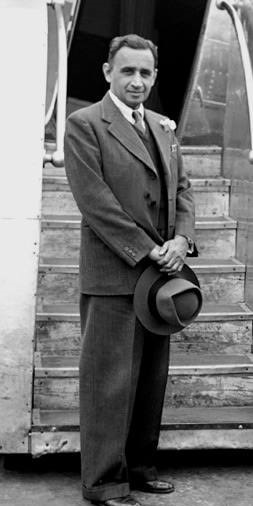
Introduction
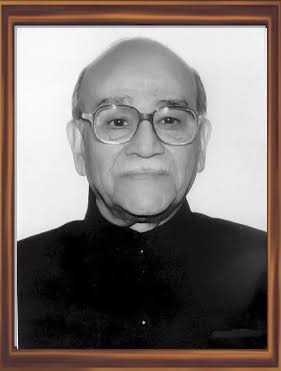
C. D. Deshmukh (Chintaman Dwarkanath Deshmukh) was one of India’s most distinguished economists, administrators, and policymakers. He made remarkable contributions to India’s financial system, economic planning, education, and public administration. As the first Indian Governor of the Reserve Bank of India and later the Union Finance Minister, he played a vital role in building the nation’s economic foundations after Independence. In recognition of his exceptional service to the country, he was awarded the prestigious Padma Vibhushan in 1975.
Early Life
C. D. Deshmukh was born into a well-educated Marathi family that valued learning and public service. From an early age, he showed outstanding academic ability and developed a strong interest in economics, administration, and governance.
His academic excellence enabled him to pursue higher education abroad, laying the foundation for a distinguished career in public service.
Birth Date and Death
- Full Name: Chintaman Dwarkanath Deshmukh
- Date of Birth: 14 January 1896
- Place of Birth: Nata, Raigad District, Maharashtra, India
- Date of Death: 2 October 1982
- Age at Death: 86 years
Education and Career
C. D. Deshmukh completed his early education in India before studying at University of Cambridge, where he excelled academically. After returning to India, he joined the prestigious Indian Civil Service (ICS) in 1918.
His remarkable administrative skills and expertise in economics led him to several important positions, including:
- Officer in the Indian Civil Service (ICS)
- Secretary in the Government of India
- Governor of the Reserve Bank of India (1943–1949) – the first Indian to hold the post
- Union Finance Minister of India (1950–1956)
- Chairman of the University Grants Commission (UGC)
- Chairman of the National Book Trust
- Senior member of several educational and economic institutions
His leadership played a key role in strengthening India’s economy and higher education system.
Career and Achievements
C. D. Deshmukh made lasting contributions to India’s financial, educational, and administrative development.
His major achievements include:
- Became the first Indian Governor of the Reserve Bank of India (RBI).
- Guided India’s monetary and banking policies during World War II and the transition to Independence.
- Served as Union Finance Minister, presenting several important national budgets.
- Played a significant role in establishing the Planning Commission and promoting planned economic development.
- Strengthened India’s higher education system through the University Grants Commission (UGC).
- Supported the development of scientific research and educational institutions across India.
His visionary leadership laid the foundation for many of India’s economic and educational institutions.
Why Did He Receive the Padma Vibhushan Award?
C. D. Deshmukh received the Padma Vibhushan in 1975 for his exceptional contributions to Public Affairs, Economics, Finance, and Education.
The Government of India honored him because:
- He transformed India’s financial administration.
- He became the first Indian Governor of the Reserve Bank of India.
- He guided India’s economy during the early years after Independence.
- He strengthened higher education through the University Grants Commission.
- He devoted his life to public service, economic development, and institution building.
His contributions had a lasting impact on India’s financial stability and educational progress.
Field of Achievement
C. D. Deshmukh excelled in several fields, including:
- Economics
- Public Administration
- Finance
- Banking
- Higher Education
- Economic Planning
He is regarded as one of India’s greatest economic administrators and institution builders.
Awards and Honours
C. D. Deshmukh received several prestigious honours during his lifetime, including:
- Padma Vibhushan (1975)
- Appointment as the first Indian Governor of the Reserve Bank of India
- Appointment as Union Finance Minister
- Leadership of the University Grants Commission (UGC)
- Honorary degrees from several Indian and international universities
These honours reflected his outstanding contributions to finance, education, and public administration.
Interesting Facts
- He was the first Indian to serve as Governor of the Reserve Bank of India.
- He joined the Indian Civil Service (ICS) after achieving excellent academic results.
- He played a major role in shaping India’s financial policies during the country’s formative years.
- He served as both a central banker and the nation’s Finance Minister.
- After leaving government, he devoted considerable time to education and cultural institutions.
- He strongly believed that education and economic development were essential for national progress.
Legacy and Inspiration
C. D. Deshmukh’s legacy lives on through the institutions he strengthened and the policies he helped shape. His leadership in banking, finance, and education contributed significantly to India’s post-independence development.
He continues to inspire:
- Economists
- Bankers
- Civil servants
- Policymakers
- Students
- Education administrators
His commitment to integrity, institution building, and public service remains a model for future generations.
Contribution to the Nation
C. D. Deshmukh made invaluable contributions to India’s growth through his work in finance, administration, and education.
His contributions include:
- Strengthening the Reserve Bank of India during a crucial period.
- Leading India’s financial policy as Union Finance Minister.
- Supporting planned economic development.
- Expanding and improving higher education through the University Grants Commission.
- Promoting scientific research, cultural institutions, and educational excellence.
His vision helped build many of the institutions that continue to support India’s economic and educational development.
Conclusion
C. D. Deshmukh was one of India’s finest economists, administrators, and statesmen. His pioneering leadership as the first Indian Governor of the Reserve Bank of India, his service as Union Finance Minister, and his contributions to higher education earned him the Padma Vibhushan in 1975. His lifelong dedication to nation-building, economic reform, and educational advancement continues to inspire generations of policymakers, economists, and public servants. His legacy remains a cornerstone of India’s financial and institutional history.
About the Author