Introduction
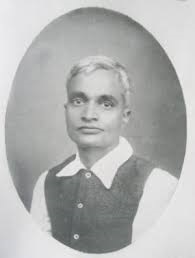
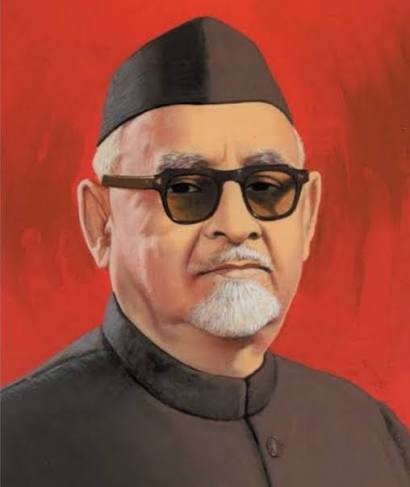
Dr. Zakir Husain (8 February 1897 – 3 May 1969) was one of India’s most respected educationists, freedom supporters, and statesmen. He dedicated his life to improving education and believed that learning was the foundation of a strong and progressive nation. His commitment to academic excellence and public service led him to become the third President of India and the first Muslim President of the country. His contributions to education and nation-building continue to inspire generations.
Why Did He Receive the Padma Vibhushan Award?
Dr. Zakir Husain was awarded the Padma Vibhushan in 1954, India’s second-highest civilian honour, for his outstanding contributions to education, literature, and public service. He played a vital role in developing India’s educational system, strengthening higher education, and promoting values of national unity, secularism, and social harmony.
Early Life
Dr. Zakir Husain was born on 8 February 1897 in Hyderabad, India. After the early death of his father, he faced several personal hardships but remained dedicated to his studies. He later moved with his family to Uttar Pradesh, where he continued his education with determination and developed a lifelong passion for learning.
Education and Career
Dr. Zakir Husain studied at the Mohammedan Anglo-Oriental College in Aligarh, which later became Aligarh Muslim University (AMU). In 1920, he became one of the founders of Jamia Millia Islamia, established to promote national education during India’s freedom movement.
To further his academic knowledge, he pursued higher studies in economics at the University of Berlin in Germany, where he earned a doctorate. After returning to India, he devoted himself to strengthening Jamia Millia Islamia and served as its Vice-Chancellor for many years.
His distinguished public career included serving as:
- Vice-Chancellor of Aligarh Muslim University.
- Governor of Bihar (1957–1962).
- Vice President of India (1962–1967).
- President of India (1967–1969).
Career and Achievements
Dr. Zakir Husain made significant contributions to education and public life throughout his career.
His major achievements include:
- Co-founded and developed Jamia Millia Islamia into one of India’s leading educational institutions.
- Promoted value-based education focused on character, creativity, and national development.
- Encouraged educational reforms that emphasized practical learning and social responsibility.
- Served as the Governor of Bihar with distinction.
- Became the Vice President and later the third President of India.
- Advocated for national integration, communal harmony, and democratic values.
His leadership in education and public service earned widespread respect both in India and internationally.
Field of Achievements
Dr. Zakir Husain made notable contributions in several fields, including:
- Education
- Educational Administration
- Public Service
- Politics and Governance
- Social Reform
- Nation Building
Awards and Honours
Dr. Zakir Husain received numerous honours during his lifetime, including:
- Padma Vibhushan (1954) for outstanding contributions to education and public service.
- Bharat Ratna (1963), India’s highest civilian award.
- Honorary doctorates from several Indian and international universities.
- Served as the third President of India from 1967 until his passing in 1969.
Interesting Facts
- Dr. Zakir Husain was one of the founders of Jamia Millia Islamia.
- He earned a Ph.D. in Economics from the University of Berlin in Germany.
- He was the first Muslim President of India.
- He strongly believed that education should develop both character and knowledge.
- He was the first President of India to pass away while serving in office.
Legacy and Inspiration
Dr. Zakir Husain’s legacy is rooted in his unwavering commitment to education, ethical leadership, and national unity. He believed that education should create responsible citizens capable of contributing to society.
His vision continues to influence educators, policymakers, and students across India. Institutions such as Jamia Millia Islamia remain lasting symbols of his dedication to quality education and inclusive national development.
Contribution to the Nation
Dr. Zakir Husain made lasting contributions to India by:
- Helping establish and strengthen Jamia Millia Islamia.
- Promoting quality education based on national values and social responsibility.
- Encouraging communal harmony, secularism, and democratic ideals.
- Serving the nation with integrity as Governor, Vice President, and President.
- Inspiring educational reforms that emphasized both academic excellence and character development.
His work helped shape India’s educational landscape and strengthened the country’s democratic institutions.
Conclusion
Dr. Zakir Husain was an exceptional educationist, scholar, and statesman whose life was dedicated to the service of India. His leadership in education, his commitment to national unity, and his distinguished public service earned him the Padma Vibhushan and later the Bharat Ratna. As the third President of India and a visionary educational reformer, his contributions continue to inspire students, educators, and citizens. His life remains a powerful example of how education, integrity, and public service can transform a nation.
About the Author