
1. Introduction
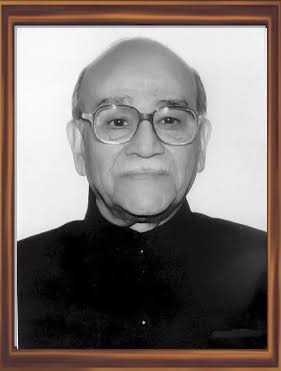
Dr. Bishnupada Mukerjee (1903–1979) was a trailblazing Indian pharmacologist, toxicologist, and medical scientist widely regarded as a founding father of modern drug standardization and pharmaceutical research in independent India. Through his rigorous scientific methods, extensive investigations into indigenous medicinal plants like Rauvolfia serpentina (Sarpagandha), and his stewardship of premier national scientific institutions, Mukerjee laid the bedrock for India’s modern pharmaceutical industry and regulatory safety protocols.
2. Quick Facts
- Full Name: Dr. Bishnupada Mukerjee (also spelled Mukerji)
- Native Name: বিশ্বপদ মুখোপাধ্যায় (Bengali roots)
- Date of Birth: March 1, 1903
- Place of Birth: Barrackpore, North 24 Parganas district, West Bengal, India
- Nationality: Indian
- Occupation / Profession: Pharmacologist, Toxicologist, and Medical Researcher
- Field of Achievement: Pharmacology, Drug Standardization, and Biomedical Research
- Years Active: 1927–1970s
3. Award Information (Padma Shri)
- Award Name: Padma Shri
- Award Category: Medicine / Civil Service
- Award Year: 1962
- Presented By: Government of India
- Date of Ceremony: [Exact calendar date not formally archived in public registries]
- Citation / Official Reason: “For his exceptional services, pioneering pharmacological research, and immense contributions to the standardization of drugs in India.”
- Previous Recipients: Eminent medical pioneers and scientists of early post-independence India.
- Next Recipients: Subsequent science and medicine laureates of 1962.
4. Why He Received the Award
Dr. Mukerjee was honored with the Padma Shri for his monumental role in transforming India’s medical landscape from unregulated drug practices into a scientifically standardized, systematic framework. By establishing precise criteria for drug potency, creating vital control mechanisms, and producing exhaustive regulatory texts like the Indian Pharmaceutical Codex, he single-handedly protected public health standards on a national scale.
5. Early Life
Born in the historic town of Barrackpore in West Bengal, Bishnupada grew up in an academically focused environment. He completed his foundational education at local village and city schools, demonstrating high scholastic aptitude early on by securing competitive merit scholarships that enabled him to pursue higher studies in Kolkata.
6. Education
- Schooling & Intermediate: Passed his matriculation with a scholarship and finished his Intermediate examination from the renowned Scottish Church College, Kolkata, securing the 13th rank in the University of Calcutta.
- Medical Degree: Graduated with a Bachelor of Medicine (MB) degree from Calcutta Medical College in 1927, securing the first rank overall with honors in pharmacology, midwifery, and gynecology.
- Doctoral Studies (USA): Earned his Doctor of Science (DSc) degree in pharmacology from the University of Michigan in 1936, marking a historic milestone as the university’s first doctoral degree awarded specifically in pharmacology.
7. Career Journey
- Early Clinical & Research Stints: Served a residency at Eden Hospital under Green-Armytage, before moving to the Calcutta School of Tropical Medicine under Sir Ram Nath Chopra, who steered him away from private practice into full-time research.
- Drug Enquiry Commission (1930): Served as assistant secretary, contributing heavily to the landmark report advocating for strict drug standardization and modern pharmacy control acts.
- Global Fellowships (1931–1933): Traveled across China, Japan, and the United States under a Rockefeller Foundation Fellowship to investigate vegetable drugs at institutions like the Peking Union Medical College.
- Institutional Leadership: Directed the Biochemical Standardization Laboratory in Kolkata and Kasauli (from 1941), served as the first director of the Central Drugs Laboratory (CDL) in 1947, and later became the founding permanent director of the Central Drug Research Institute (CDRI) in Lucknow.
8. Major Achievements
- First US DSc in Pharmacology: Broke international academic ground by securing the University of Michigan’s first doctorate in pharmacology.
- Pioneering Sarpagandha Research: Co-authored the first definitive scientific papers validating the medicinal properties of Rauvolfia serpentina (Sarpagandha) alongside R.N. Chopra.
- Codification of Indian Medicine: Authored and spearheaded essential reference texts including the Indian Pharmaceutical Codex (1953) and contributed major frameworks to the Indian Pharmacopoeia.
9. Contribution to the Nation
Dr. Mukerjee’s lifetime work protected millions of citizens from adulterated and sub-potent medicines. By designing protocols for biological assays, establishing national testing laboratories, and creating the structural framework for the CDRI, he enabled India to transition from an importer of foreign pharmaceuticals to a self-reliant nation capable of cutting-edge drug design, safety testing, and indigenous medicinal validation.
10. Other Awards and Honours
- Padma Bhushan (1971): Conferred by the Government of India as a higher civilian recognition of his lifelong achievements.
- Shanti Swarup Bhatnagar Prize (1958): Awarded for pioneering contributions to medical and biological sciences.
- Shree Dhanwantari Medal (1976): Awarded by the Indian National Science Academy (INSA).
- Academic Fellowships: Elected Fellow of the Indian National Science Academy (INSA) and the Royal Society of Edinburgh.
- Medals: Recipient of the Griffith Memorial Prize, Asutosh Mookerjee Medal, Barclay Medal, and the Squibb International Award.
11. Legacy and Influence
Dr. Mukerjee is remembered as the father of modern Indian pharmacology. The premier labs he helped establish—such as the CDRI in Lucknow and the CDL in Kolkata—continue to function as the gold standard for pharmaceutical research and public health safety in India. His scientific rigor bridged traditional Ayurvedic pharmacological intuition with rigorous Western analytical validation.
12. Interesting Facts
- The Shift from Clinic to Lab: Though trained extensively as an active medical surgeon and clinician, a persuasive intervention by his mentor Sir Ram Nath Chopra convinced him to abandon clinical practice entirely to dedicate his life to laboratory research.
- Global Trailblazer: When he earned his DSc from Michigan in 1936, it was a rare feat for an Indian scientist to break into specialized Western pharmacological doctoral programs at a time when modern medical research infrastructure in India was virtually non-existent.
- Prolific Writer: Over his career, he published well over 300 original research papers across premier national and international medical journals.
13. Quotes
“Scientific progress in medicine is impossible without a strict standard of truth in the laboratory and absolute accountability in the dispensary.” — (Reflecting his lifelong philosophy on drug regulation)
14. Timeline
| Year | Milestone / Event |
| 1903 | Born on March 1 in Barrackpore, West Bengal. |
| 1927 | Secured Bachelor of Medicine degree with top honors from Calcutta Medical College. |
| 1936 | Awarded Doctor of Science (DSc) in pharmacology from the University of Michigan. |
| 1947 | Appointed Director of the Central Drugs Laboratory (CDL). |
| 1951–1953 | Spearheaded the creation of national guidelines, culminating in the Indian Pharmaceutical Codex. |
| 1958 | Conferred the prestigious Shanti Swarup Bhatnagar Prize. |
| 1962 | Awarded the Padma Shri by the Government of India. |
| 1971 | Honored with the Padma Bhushan. |
| 1979 | Passed away on July 30 in Calcutta at the age of 76. |
15. References
- Indian National Science Academy (INSA) – Biographical Memoirs of Deceased Fellows.
- Wikipedia Contributors. “Bishnupada Mukerjee.” Wikipedia, The Free Encyclopedia.
- Singh, Harkishan. Medico-pharmaceutical Professionals. Vallabh Prakashan.
- Archives of the Central Drug Research Institute (CDRI) and Indian Journal of Pharmacology.
16. Related Personalities
- Sir Ram Nath Chopra (Legendary pharmacologist and early mentor at the School of Tropical Medicine)
- Edward Mellanby (British medical researcher who assisted in shaping early Indian biomedical labs)
- Shanti Swarup Bhatnagar (Pioneering chemist and first director-general of the CSIR)
17. Frequently Asked Questions (FAQ)
Q: Who was Dr. Bishnupada Mukerjee?
A: Dr. Bishnupada Mukerjee was a renowned Indian pharmacologist and toxicologist who played a foundational role in establishing modern drug standards, safety protocols, and pharmaceutical laboratories in India.
Q: What is Dr. Mukerjee most famous for discovering or creating?
A: He is famous for conducting pioneering scientific validation of indigenous plants like Rauvolfia serpentina (Sarpagandha), writing the Indian Pharmaceutical Codex, and helping set up institutions like the Central Drug Research Institute (CDRI).
Q: What major national honors did he receive?
A: He was decorated with the Padma Shri in 1962 and the Padma Bhushan in 1971 by the Government of India, alongside the Shanti Swarup Bhatnagar Prize.
About the Author