

1. Introduction
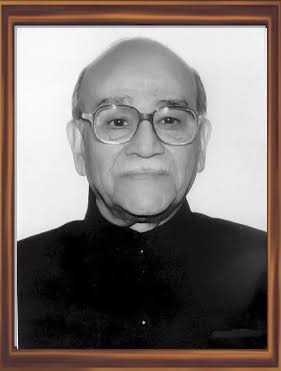
Kalindi Charan Panigrahi (1901–1991) was a towering titan of 20th-century Odia literature, celebrated as a poet, novelist, short story writer, dramatist, and essayist. He is best remembered as a principal architect of the Sabuja Yug (The Green Age)—a romantic, Tagore-inspired literary movement in Odisha—and for penning his immortal Gandhian-socialist masterpiece, Matira Manisha (Man of the Soil). Spanning nearly eight decades of creative output, his work deeply mirrored the social shifts, agrarian realities, and philosophical awakenings of modern India.
2. Quick Facts
- Full Name: Kalindi Charan Panigrahi
- Native Name: କାଳନ୍ଦୀଚରଣ ପାଣିଗ୍ରାହୀ
- Date of Birth: July 2, 1901
- Place of Birth: Biswanathpur (Nilakanthapur), Puri District, Odisha, India
- Nationality: Indian
- Occupation / Profession: Writer, Poet, Novelist, Journalist, and Dramatist
- Field of Achievement: Odia Literature and Cultural Journalism
- Years Active: 1920s to 1980s
3. Award Information (Padma Bhushan)
- Award Name: Padma Bhushan
- Award Category: Literature and Education / Civil Service
- Award Year: 1971
- Presented By: Government of India
- Date of Ceremony: [Exact calendar date not formally archived in public registries]
- Citation / Official Reason: “For his distinguished service and lifelong contributions to the enrichment of Odia literature and creative arts.”
- Previous Recipients: Eminent litterateurs, scientists, and national builders of early independent India.
- Next Recipients: Subsequent literary laureates of the early 1970s.
4. Why He Received the Award
Panigrahi was honored with the Padma Bhushan for his monumental role in modernizing Odia literature. Through path-breaking works like Matira Manisha and his leadership in the Sabuja literary movement, he successfully transitioned regional prose and poetry from rigid traditional structures into romantic and socially conscious modern mediums, leaving an indelible imprint on Indian cultural heritage.
5. Early Life
Born into an educated and patriotic family in the Puri district, Kalindi Charan grew up surrounded by a profound sense of cultural and national duty. His father, Swapneswar Panigrahi, was a practicing lawyer and freedom fighter who instilled in young Kalindi an early appreciation for justice, ethics, and community service. Growing up against the backdrop of British-ruled India, he witnessed the struggles of rural peasants, which heavily influenced his later empathetic characterizations of agrarian life.
6. Education
- Schooling: Completed his primary and high school education at the Puri Zilla School.
- Higher Education: Proceeded to the prestigious Ravenshaw College in Cuttack for his collegiate studies. It was during his college years that he plunged headfirst into the cultural awakening of Odisha, founding student literary clubs and collaborating with contemporary creative minds who would reshape the linguistic landscape of the state.
7. Career Journey
- Early Creative Circles: While studying at Ravenshaw College, he founded the “Nonsense Club”, which published handwritten experimental journals like Abakash (later renamed Shakti Sadhana).
- The Sabuja Samiti (1920): Along with writer peers like Annada Shankar Ray and Baikuntha Patnaik, he co-founded the Sabuja Samiti (Green Group), heavily inspired by Rabindranath Tagore and the Bengali Sabujpatra.
- Editorial Roles: Worked as an editor for prominent historical and literary journals, including Bhanja Pradipa and the Mayurbhanja Chronicle.
- Public Service & Media: Engaged with public communication units and governmental advisory boards in Odisha, promoting cultural arts throughout his active years.
8. Major Achievements
- Magnum Opus (Matira Manisha): Published his classic novel Matira Manisha in 1934, which was later adapted into an acclaimed national award-winning film by legendary director Mrinal Sen in 1966.
- Pioneering the Sabuja Movement: Spearheaded a short-lived yet profoundly influential romantic-modernist literary wave in Odisha.
- Sahitya Akademi Fellowship (1971): Became one of the earliest Odia writers to receive the highest literary fellowship awarded by the National Academy of Letters.
9. Contribution to the Nation
Panigrahi’s literature served as an emotional and philosophical bridge during India’s freedom struggle and post-independence nation-building phase. By blending Gandhian humanism with deep agrarian realities, his writings sensitized urban-educated classes to the dignity, struggles, and moral framework of rural India, fostering social harmony and regional pride.
10. Other Awards and Honours
- Sahitya Akademi Fellowship (1971): Highest literary honor bestowed by the Sahitya Akademi.
- Padma Bhushan (1971): Conferred by the President of India.
- Honorary D.Litt. (1976): Conferred by Sambalpur University for lifelong academic and literary services.
11. Legacy and Influence
Panigrahi remains a patriarch of modern Odia letters. His literary dynasty carried forward his profound impact on public life: his eldest daughter, Nandini Satpathy, became the Chief Minister of Odisha, and his younger brother, Bhagabati Charan Panigrahi, founded the communist movement in the state. Matira Manisha remains a mandatory text for understanding rural ethics, familial duty, and non-violent human resolution in Indian literature.
12. Interesting Facts
- The Green Vanguard: The Sabuja (Green) group he co-founded was revolutionary because it broke away from traditional medieval verse structures, introducing free expression, individualism, and lyrical romanticism into Odia poetry.
- Cinematic Immortality: His novel Matira Manisha caught the eye of master filmmaker Mrinal Sen, resulting in a critically acclaimed 1966 Odia feature film of the same name that placed parallel Odia cinema on the global map.
- Family of Trailblazers: He belonged to a uniquely gifted family where he shaped literature, his brother Bhagabati shaped political ideology, and his daughter Nandini shaped state governance.
13. Quotes
“The soil does not merely feed our bodies; it holds the moral memory of our ancestors and the unyielding patience of humanity.” — (Reflecting the core theme of Matira Manisha)
14. Timeline
| Year | Milestone / Event |
| 1901 | Born on July 2 in Biswanathpur, Puri district, Odisha. |
| 1920 | Co-founded the Sabuja Samiti with contemporaries, sparking the Sabuja movement. |
| 1934 | Published his defining novel, Matira Manisha. |
| 1966 | Matira Manisha adapted into a celebrated feature film directed by Mrinal Sen. |
| 1971 | Honored with the Padma Bhushan and the Sahitya Akademi Fellowship. |
| 1976 | Received an honorary D.Litt. degree from Sambalpur University. |
| 1991 | Passed away on May 15 at the age of 89. |
15. References
- Mohanty, Jatindra Mohan. History of Odisha Literature.
- Wikipedia Contributors. “Kalindi Charan Panigrahi.” Wikipedia, The Free Encyclopedia.
- Penguin Books India – Author Archives (Kalindi Charan Panigrahi).
- Sahitya Akademi and Padma Awards Official Directories, Government of India.
16. Related Personalities
- Annada Shankar Ray (Co-founder of the Sabuja Samiti and noted Odia/Bengali writer)
- Bhagabati Charan Panigrahi (Younger brother and founder of the Marxist trend in Odisha)
- Nandini Satpathy (Eldest daughter, former Chief Minister of Odisha and author)
- Mrinal Sen (Legendary film director who adapted Matira Manisha)
- Baikuntha Patnaik (Prominent poet of the Sabuja group)
17. Frequently Asked Questions (FAQ)
Q: Who was Kalindi Charan Panigrahi?
A: Kalindi Charan Panigrahi was a celebrated Odia poet, novelist, and essayist who pioneered the romantic Sabuja Yug in Odisha.
Q: What is Kalindi Charan Panigrahi’s most famous work?
A: His most famous work is the classic 1934 Gandhian novel Matira Manisha, which explores rural ethics, family bonds, and human values.
Q: What major national honors did he receive?
A: He was awarded the Padma Bhushan and the Sahitya Akademi Fellowship in the landmark year of 1971.
Q: How is he connected to political leadership in Odisha?
A: He was the father of former Odisha Chief Minister Nandini Satpathy and the grandfather of former Member of Parliament Tathagata Satpathy.
About the Author