Introduction
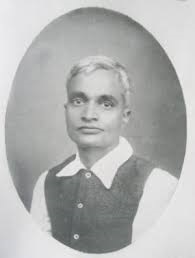
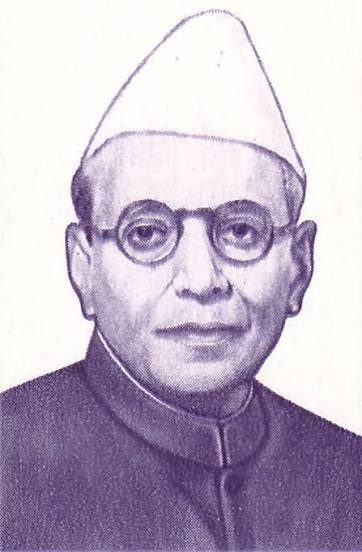
Balasaheb Gangadhar Kher, popularly known as B. G. Kher (24 August 1888 – 8 March 1957), was an eminent Indian freedom fighter, lawyer, and statesman. He is best remembered as the first Chief Minister of Bombay State after India’s independence and for his dedicated service in public administration. A close associate of Mahatma Gandhi and the Indian National Congress, Kher played a significant role in India’s freedom movement and post-independence governance. His commitment to public welfare, education, and democratic values earned him widespread respect across the nation.
Why Did He Receive the Padma Vibhushan Award?
B. G. Kher was awarded the Padma Vibhushan in 1954, India’s second-highest civilian honour, in recognition of his exceptional contributions to public affairs, governance, and nation-building. His leadership as the Premier of the Bombay Presidency before independence and later as the first Chief Minister of Bombay State helped strengthen democratic institutions, improve public administration, and promote social and educational reforms.
Early Life
B. G. Kher was born on 24 August 1888 in Ratnagiri district, Maharashtra. He came from a modest family that valued education and public service. From an early age, he displayed a keen interest in learning, social issues, and justice. These qualities inspired him to pursue a career in law and later dedicate himself to India’s struggle for independence.
Education and Career
B. G. Kher completed his education in Bombay (now Mumbai) and earned a degree in law. After beginning a successful legal career, he became actively involved in the Indian freedom movement under the leadership of Mahatma Gandhi.
He participated in several national movements, including the Non-Cooperation Movement and the Civil Disobedience Movement, and was imprisoned by the British authorities for his role in the struggle for independence.
In 1937, following provincial elections under the Government of India Act, he became the Premier of the Bombay Presidency. After India gained independence in 1947, he became the first Chief Minister of Bombay State, serving until 1952. During his tenure, he focused on improving education, agriculture, rural development, and public administration.
Career and Achievements
B. G. Kher made lasting contributions to both India’s freedom movement and independent governance.
Some of his major achievements include:
- Participated actively in India’s struggle for independence.
- Served as the Premier of the Bombay Presidency from 1937 to 1939 and again from 1946 to 1947.
- Became the first Chief Minister of Bombay State after independence.
- Introduced reforms to improve education and expand access to schooling.
- Worked to strengthen agriculture and rural development.
- Promoted efficient, transparent, and people-focused public administration.
- Played an important role in shaping democratic governance during India’s early years as an independent nation.
Field of Achievements
B. G. Kher made significant contributions in several fields, including:
- Public Administration
- Politics and Governance
- Law
- Freedom Movement
- Social Reform
- Education
Awards and Honours
B. G. Kher received several honours for his public service, including:
- Padma Vibhushan (1954) for distinguished service in public affairs.
- Widely respected as one of the architects of modern governance in Bombay State.
- Served on important national commissions and advisory bodies after his tenure as Chief Minister.
- Remembered through educational institutions, public memorials, and historical records celebrating his contribution to independent India.
Interesting Facts
- B. G. Kher was the first Chief Minister of Bombay State after India’s independence.
- Before independence, the head of the provincial government was known as the Premier rather than the Chief Minister.
- He was a respected lawyer before entering public life.
- He was imprisoned several times for participating in the freedom movement.
- He was known for his honesty, simplicity, and commitment to ethical public service.
Legacy and Inspiration
B. G. Kher is remembered as a principled leader who combined legal expertise with a deep commitment to public welfare. His leadership helped lay the foundation for efficient governance in western India during the crucial years before and after independence.
His emphasis on integrity, education, rural development, and democratic values continues to inspire political leaders, civil servants, and citizens. His life demonstrates how dedicated public service can contribute to nation-building.
Contribution to the Nation
B. G. Kher made lasting contributions to India by:
- Participating actively in the freedom struggle against British rule.
- Establishing effective governance in Bombay State after independence.
- Promoting educational development and expanding learning opportunities.
- Supporting agricultural reforms and rural progress.
- Strengthening democratic institutions and public administration.
- Serving the nation with integrity, honesty, and dedication.
His work helped ensure a stable administrative transition during India’s early years as an independent democracy.
Conclusion
B. G. Kher was an outstanding freedom fighter, lawyer, and statesman whose contributions extended from India’s independence movement to the establishment of democratic governance after 1947. His leadership as the first Chief Minister of Bombay State, commitment to public welfare, and dedication to ethical governance earned him the Padma Vibhushan. His life remains an inspiring example of integrity, patriotism, and selfless service to the nation.
About the Author