1. Introduction
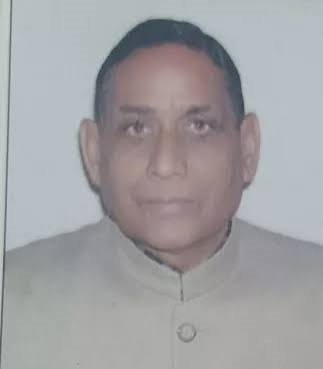
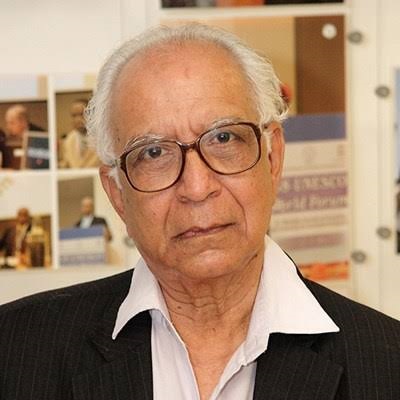
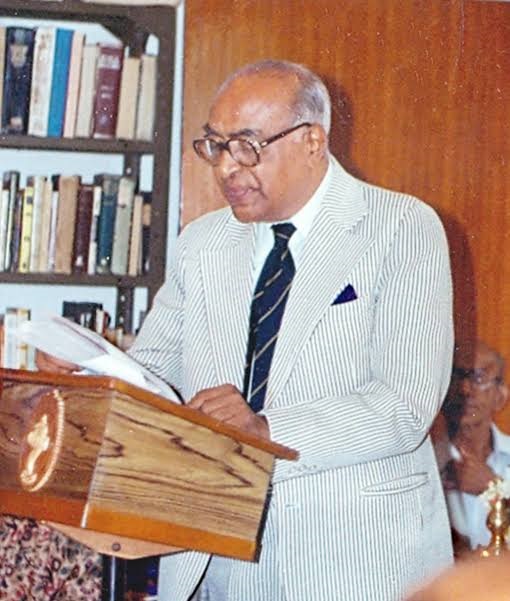
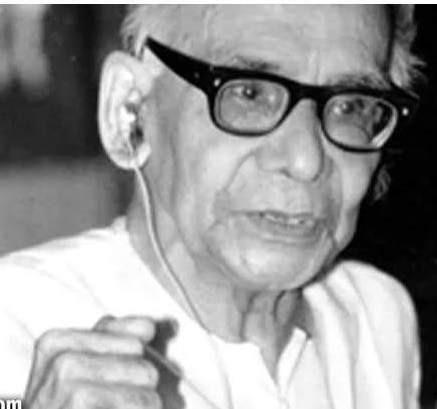
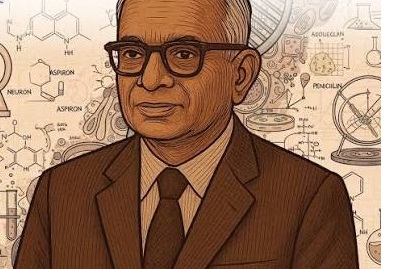
Dr. Chintaman Govind Pandit, popularly known as C. G. Pandit, was a renowned Indian medical scientist, researcher, and administrator who made significant contributions to the development of biomedical research in India. He is best remembered as the first Director of the Indian Council of Medical Research (ICMR) and for his leadership in establishing India’s modern medical research framework.
A pioneer in public health research, epidemiology, and medical science administration, Dr. Pandit played a crucial role in strengthening India’s fight against infectious diseases. In recognition of his exceptional contributions to medicine and medical research, the Government of India awarded him the Padma Bhushan in 1964.
2. Quick Facts
| Particular | Details |
|---|---|
| Full Name | Dr. Chintaman Govind Pandit |
| Native Name | चिंतामण गोविंद पंडित (Marathi/Hindi) |
| Date of Birth | 25 July 1895 |
| Place of Birth | Bombay Presidency, British India (present-day Maharashtra, India) |
| Date of Death | 7 September 1991 |
| Nationality | Indian |
| Occupation / Profession | Medical Scientist, Research Administrator, Physician |
| Field of Achievement | Medical Research, Public Health, Epidemiology |
| Years Active | 1920s–1970s |
| Known For | First Director of the Indian Council of Medical Research (ICMR) |
3. Award Information
Award Name
Padma Bhushan
Award Category
Medicine
Award Year
1964
Presented By
President of India
Date of Ceremony
1964 Padma Awards Investiture Ceremony
Official Citation / Reason
Dr. Chintaman Govind Pandit was awarded the Padma Bhushan for his outstanding contributions to medical research, public health, and the development of scientific institutions in India.
Previous Recipients (Optional)
Padma Bhushan awards are not given in a sequential order; therefore, there are no official previous recipients.
Next Recipients
Not applicable.
4. Why Did Chintaman Govind Pandit Receive the Padma Bhushan?
Dr. C. G. Pandit received the Padma Bhushan because of his pioneering contributions to Indian medical science:
- Established a strong foundation for medical research administration in India.
- Served as the first Director of the Indian Council of Medical Research (ICMR).
- Promoted research into infectious diseases and public health challenges.
- Strengthened laboratories and research institutions across India.
- Encouraged scientific collaboration between Indian and international researchers.
- Helped develop India’s biomedical research infrastructure after Independence.
5. Early Life
Chintaman Govind Pandit was born on 25 July 1895 in the Bombay Presidency. He grew up during a period when modern medical education and scientific research were developing in India. His interest in medicine and research led him toward a career dedicated not only to patient care but also to improving public health through scientific investigation.
6. Education
Dr. Pandit received his medical education in India and later pursued advanced studies abroad.
Educational Qualifications
- Studied medicine at Grant Medical College, Bombay.
- Obtained medical qualifications and pursued higher training in medical science.
- Received advanced research exposure in the United Kingdom.
His education provided the foundation for his later work in medical research and administration.
7. Career Journey
Dr. Pandit’s career combined clinical medicine, research, and institution building.
Career Highlights
- Began his career as a medical practitioner and researcher.
- Worked at the Haffkine Institute, Bombay, a major center for biomedical research.
- Conducted research related to infectious diseases and vaccines.
- Became the first Director of the Indian Council of Medical Research (ICMR) in 1949.
- Led ICMR during its formative years.
- Helped expand medical research facilities throughout India.
- Served in important national and international health organizations.
8. Major Achievements
- First Director of the Indian Council of Medical Research (ICMR).
- Played a major role in developing India’s medical research system.
- Strengthened biomedical laboratories and research programs.
- Promoted research on communicable diseases.
- Contributed to public health planning.
- Received the Padma Bhushan in 1964.
- Awarded the Officer of the Order of the British Empire (OBE) during the British period.
9. Contribution to the Nation
Dr. C. G. Pandit contributed to India by:
- Building India’s medical research infrastructure.
- Supporting scientific approaches to disease prevention.
- Encouraging research-based healthcare policies.
- Strengthening public health institutions.
- Training and inspiring medical researchers.
- Helping India develop self-reliance in medical science.
His work helped create the foundation for India’s modern biomedical research ecosystem.
10. Other Awards and Honours
Besides the Padma Bhushan (1964), Dr. Pandit received:
- Officer of the Order of the British Empire (OBE).
- Recognition from national and international medical organizations.
- Honours for his contributions to medical science and research administration.
- Leadership positions in scientific and health institutions.
11. Legacy and Influence
Dr. Chintaman Govind Pandit remains an important figure in India’s medical history.
His legacy includes:
- Establishing ICMR as a leading institution for medical research.
- Promoting scientific research as a tool for public health improvement.
- Developing a generation of medical scientists.
- Strengthening India’s ability to conduct large-scale health research.
The C. G. Pandit Award, instituted by ICMR, recognizes outstanding contributions in biomedical research.
12. Interesting Facts
- He was the first Director of ICMR, guiding the organization during its early development.
- He worked at the famous Haffkine Institute in Mumbai.
- He played a key role in connecting Indian medical research with global scientific communities.
- He received the British honor OBE before India’s Independence.
- He continued contributing to medical science well into his later years.
13. Quotes
There are no widely authenticated quotations attributed to Dr. Chintaman Govind Pandit in reliable historical sources. It is recommended not to include unverified quotes in a factual blog.
14. Timeline
| Year | Event |
|---|---|
| 1895 | Born on 25 July |
| 1920s | Began medical and research career |
| 1930s–1940s | Worked in medical research, including at Haffkine Institute |
| 1949 | Became the first Director of ICMR |
| 1950s–1960s | Expanded India’s medical research programs |
| 1964 | Awarded the Padma Bhushan |
| 1970s | Continued scientific and advisory work |
| 1991 | Passed away on 7 September |
15. References
- Government of India – Padma Awards Portal
https://www.padmaawards.gov.in/ - Indian Council of Medical Research (ICMR) – History and Archives
https://www.icmr.gov.in/ - Haffkine Institute, Mumbai – Institutional History
https://www.haffkineinstitute.org/ - Encyclopaedia and medical history resources on Indian biomedical research.
16. Related Personalities
- Dr. Rajendra Prasad – First President of India.
- Dr. M. S. Swaminathan – Indian scientist and agricultural leader.
- Dr. V. Ramalingaswami – Eminent Indian medical scientist.
- Dr. Yellapragada Subbarow – Indian biochemist.
- Dr. H. S. Bhatnagar – Pioneer of scientific research institutions in India.
17. Frequently Asked Questions (FAQ)
Who was Chintaman Govind Pandit?
Dr. Chintaman Govind Pandit was an Indian medical scientist and the first Director of the Indian Council of Medical Research (ICMR).
Why is C. G. Pandit famous?
He is famous for establishing the foundation of modern medical research administration in India and strengthening biomedical research institutions.
Which award did Chintaman Govind Pandit receive?
He received the Padma Bhushan in 1964 for his contributions to medicine and medical research.
What was his role in ICMR?
He served as the first Director of ICMR and helped transform it into India’s leading medical research organization.
What is C. G. Pandit’s contribution to India?
His major contribution was developing India’s medical research infrastructure, promoting scientific healthcare solutions, and encouraging research into diseases affecting the Indian population.
What is Chintaman Govind Pandit’s legacy?
He is remembered as one of the architects of India’s biomedical research system and as a pioneer who connected scientific research with national public health needs.
About the Author