

1. Introduction
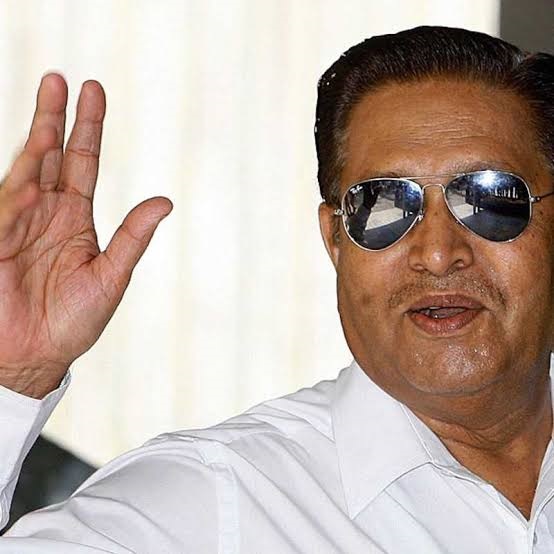
Chandrakant Gulabrao “Chandu” Borde is one of India’s most respected cricketing figures, remembered as a gritty middle-order batsman, a clever leg-spin bowler, an agile fielder, and a shrewd strategist. Serving as the vice-captain of the Indian national team for much of the 1960s, Borde played a vital role in carrying Indian cricket through transitional and challenging eras. Beyond his playing days, he left an indelible mark as an administrator, manager, and twice as India’s chairman of selectors.
2. Quick Facts
- Full Name: Chandrakant Gulabrao Borde
- Native Name: चंद्रकांत गुलाबराव बोर्डे (Marathi / Hindi)
- Date of Birth: July 21, 1934
- Place of Birth: Poona (now Pune), Bombay Presidency, British India
- Nationality: Indian
- Occupation / Profession: Cricketer, Cricket Administrator, and Coach
- Field of Achievement: International Cricket, Domestic Cricket Leadership, and Sports Administration
- Years Active: 1952–1973 (Playing career), 1970s–Present (Administration)
3. Award Information (Focus: Padma Bhushan)
- Award Name: Padma Bhushan
- Award Category: India’s Third-Highest Civilian Award
- Award Year: 2002
- Presented By: K. R. Narayanan (President of India)
- Date of Ceremony: March/April 2002
- Citation / Official Reason: For distinguished, long-standing service to Indian cricket, sports leadership, and athletic excellence.
- Previous Recipients (2001): Aroon Purie, Dr. B. V. Raju, Sundaram Ramakrishnan, Dr. Naresh Trehan, and others.
- Next Recipients (2003): P. Bhanumathi Ramakrishna, S. K. Skaria, and others.
4. Why Did He Receive the Award?
Chandu Borde was conferred with the Padma Bhushan in recognition of his decades-long dedication to Indian cricket, both on the field as a frontline all-rounder and captain, and off the field as an elite selector, team manager, and mentor. Having previously been honored with the Arjuna Award (1966) and the Padma Shri (1969), this highest civilian recognition cemented his legendary status in Indian sporting history.
5. Early Life
Born in Pune into a Marathi Christian family, Borde grew up surrounded by a large family of five brothers and five sisters. His younger brother, Ramesh Borde, also went on to play first-class cricket for Maharashtra and West Zone. Captivated by the game from an early age, he idolized legendary Indian batsman Vijay Hazare, whose poise and disciplined batting style profoundly influenced young Chandu’s approach to the sport.
6. Education
- Schooling & College: Completed his early education and collegiate studies in Pune, successfully balancing rigorous athletic training with academic pursuits during the post-independence era, which prepared him for both sporting and administrative responsibilities later in life.
7. Career Journey
Borde made his first-class debut in the 1952/53 season, playing for Maharashtra, Baroda, and Bombay before returning to captain Maharashtra. He made his Test debut for India against the West Indies in November 1958. Over a 55-Test career, he established himself as the team’s batting bedrock, scoring 3,061 runs and taking 52 wickets with his leg-spin. He served as vice-captain under Mansoor Ali Khan Pataudi and briefly captained India in the First Test against Australia at Adelaide in December 1967. After retiring from international cricket, he managed national teams—including the historic 1989 tour of Pakistan—and served as India’s chairman of selectors.
8. Major Achievements
- International All-Rounder: Scored 3,061 runs (including 5 centuries and 18 fifties) and claimed 52 wickets in Test matches.
- Test Captaincy: Captained the Indian cricket team against Australia in 1967.
- Rest of the World XI: Honored as the sole Indian representative in the prestigious Rest of the World XI squad that played against Barbados in 1967.
- Triple National Honors: Conferred with the Arjuna Award (1966), Padma Shri (1969), and Padma Bhushan (2002).
- BCCI C.K. Nayudu Award: Awarded the prestigious Lifetime Achievement Award by the Board of Control for Cricket in India in 2003.
9. Contribution to the Nation
Borde provided immense stability to Indian cricket during a period when the team frequently played under immense pressure against formidable international bowling attacks. As a selector and manager, his sharp eye for talent helped discover, shape, and blood several generations of Indian cricketers who went on to achieve global greatness.
10. Other Awards and Honours
- Arjuna Award: Conferred by the Government of India (1966) — making him only the fourth cricketer to receive the honor.
- Padma Shri: Conferred by the Government of India (1969).
- Padma Bhushan: Conferred by the Government of India (2002).
- C. K. Nayudu Lifetime Achievement Award: Presented by the BCCI (2003).
11. Legacy and Influence
Chandu Borde’s legacy is that of a consummate gentleman-athlete and fierce competitor. He exemplified sportsmanship, tactical intelligence, and absolute dedication to the team. His autobiography, Panther’s Paces (published in 2018), remains a valuable historical account of the golden era of mid-20th-century Indian cricket.
12. Interesting Facts
- Rare Milestone: He is among the select few Indian cricketers to have received the Arjuna Award, Padma Shri, and Padma Bhushan.
- Captaincy Brief: When he captained India at Adelaide in 1967, he stepped in admirably for the injured regular captain Pataudi, leading the side with distinction.
- Pitch Curator & Administrator: Even well into his retirement, his passion for the game remained unabated; he served as a pitch curator at the Nehru Stadium in Pune and managed India’s tours overseas, including the 2007 tour of England.
13. Quotes
“Cricket is a great teacher of life. It teaches you how to handle success with humility, and more importantly, how to stand back up after a heavy defeat.” — Chandu Borde
14. Timeline
- 1934: Born on July 21 in Pune, Maharashtra.
- 1958: Makes his Test match debut against the West Indies in Mumbai.
- 1966: Awarded the Arjuna Award by the Government of India.
- 1967: Captains India in the Test match against Australia at Adelaide; selected for the Rest of the World XI.
- 1969: Conferred with the Padma Shri.
- 1989: Manages the Indian cricket team’s tour of Pakistan.
- 2002: Honored with India’s third-highest civilian award, the Padma Bhushan.
- 2003: Receives the BCCI C.K. Nayudu Lifetime Achievement Award.
15. References
- Ministry of Home Affairs, Government of India – Padma Awardees Database.
- Wikipedia – Chandu Borde Profile & Statistics.
- Board of Control for Cricket in India (BCCI) – Archives & Awardees.
- Panther’s Paces (Autobiographical Memoir by Chandu Borde, as told to Mohan Sinha).
16. Related Personalities
- Mansoor Ali Khan Pataudi (Nawab of Pataudi): Legendary Indian captain under whom Borde served as vice-captain for much of the 1960s.
- Vijay Hazare: Iconic Indian batting legend and early personal idol to Chandu Borde.
- Ramesh Borde: Former first-class cricketer and Chandu Borde’s younger brother.
17. Frequently Asked Questions (FAQ)
Q1: Who is Chandu Borde? A: Chandu Borde is a former Indian cricketer, all-rounder, vice-captain, and national team selector who played 55 Test matches for India between 1958 and 1970.
Q2: Did he ever captain the Indian cricket team? A: Yes, he captained India in a Test match against Australia at the Adelaide Oval in December 1967 in place of the injured regular captain, the Nawab of Pataudi.
Q3: What major civilian honors has he received? A: He has been honored with the Arjuna Award (1966), Padma Shri (1969), and India’s third-highest civilian honor, the Padma Bhushan (2002).
Q4: What roles did he take up after retiring from playing? A: He transitioned successfully into administration, serving twice as India’s chairman of selectors, managing national overseas tours (such as Pakistan in 1989 and England in 2007), and working as a pitch curator.
About the Author




