Introduction
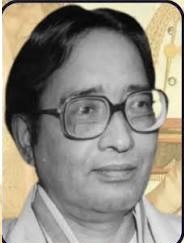
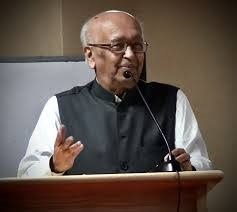
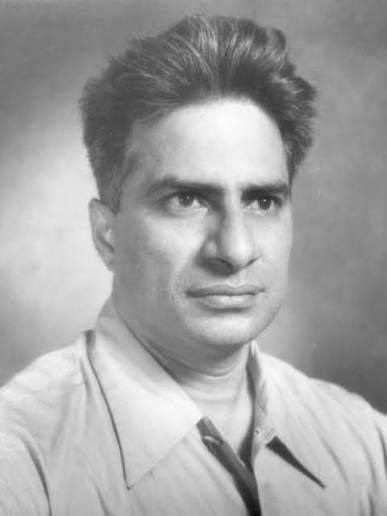
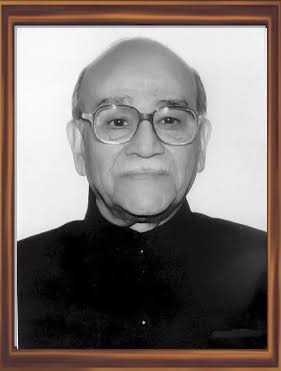
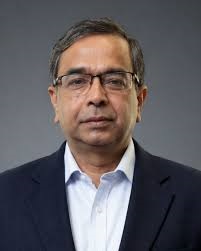
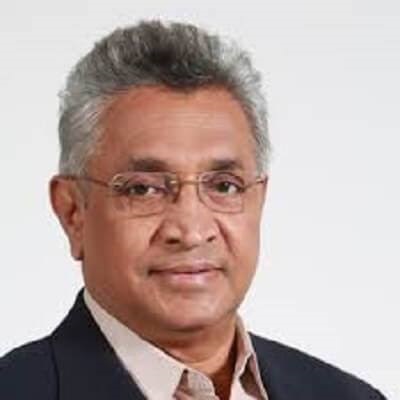
R. Shankar (Ramakrishna Shankar) is a distinguished Indian geologist, geophysicist, educator, and science communicator, recognized for his significant contributions to geology, geophysics, geochemistry, environmental geology, and Earth system science. Over a career spanning several decades, he has advanced the understanding of India’s geological resources, groundwater systems, environmental processes, and the geochemical evolution of the Earth’s crust. In addition to his research, he is widely respected for promoting geoscience education and public awareness through books, lectures, and outreach programs. His work has helped bridge the gap between scientific research and practical applications in environmental management and natural resource conservation.
Early Life and Education
R. Shankar was born in India, where he developed an early interest in rocks, minerals, landscapes, and natural processes. His fascination with the Earth’s history inspired him to pursue higher education in geology.
He completed his undergraduate studies in geology before earning postgraduate and doctoral degrees in Geology and Geophysics. During his academic training, he specialized in:
- Geology
- Geophysics
- Geochemistry
- Hydrogeology
- Environmental Geology
- Mineral Exploration
His interdisciplinary education enabled him to integrate geological, chemical, and physical approaches to studying Earth’s systems.
Scientific Career & Research
Academic Career
R. Shankar spent much of his professional career in higher education and research, serving as a professor at leading Indian universities. Throughout his academic career, he taught geology, geophysics, and environmental sciences while supervising postgraduate and doctoral research.
His teaching and research inspired numerous students who later pursued careers in geoscience, mining, environmental management, and academia.
Geological Research
Shankar’s research has focused on understanding the geological evolution of the Indian subcontinent.
His studies include:
- Rock formations
- Structural geology
- Mineral resources
- Plate tectonics
- Geological mapping
- Earth’s crustal evolution
His work has improved knowledge of India’s diverse geological formations and their economic significance.
Geophysics
As a geophysicist, Shankar has used physical methods to investigate the Earth’s interior and subsurface structures.
His research includes:
- Gravity studies
- Magnetic surveys
- Seismic investigations
- Geophysical exploration
- Crustal structure analysis
These techniques have supported mineral exploration, groundwater investigations, and geological hazard assessments.
Geochemistry
A major area of his research has been geochemistry, particularly the chemical composition of rocks, soils, and groundwater.
His work has examined:
- Trace elements
- Weathering processes
- Geochemical cycles
- Environmental contamination
- Water quality
- Mineral chemistry
These studies have contributed to understanding environmental changes and sustainable resource management.
Environmental Geology
Shankar has been a strong advocate for applying geological knowledge to environmental protection.
His research has addressed:
- Groundwater pollution
- Soil degradation
- Natural hazards
- Sustainable mining
- Land-use planning
- Environmental impact assessment
He has emphasized the importance of geoscience in addressing environmental challenges and supporting sustainable development.
Science Communication
In addition to research, R. Shankar is well known for his efforts in science communication.
He has authored several books and articles aimed at making Earth science accessible to students, educators, and the general public.
His outreach activities have promoted awareness of:
- Earth’s history
- Geological processes
- Natural resources
- Environmental conservation
- Climate-related geological changes
Major Discoveries and Contributions
Although geology advances through cumulative scientific research rather than individual inventions, R. Shankar has made several noteworthy contributions.
1. Advances in Geological Mapping
His studies have improved understanding of geological formations and crustal evolution in various regions of India.
2. Geophysical Exploration
He has contributed to the application of gravity, magnetic, and seismic methods for investigating subsurface structures and natural resources.
3. Geochemical Research
Shankar’s work on the chemical composition of rocks, soils, and groundwater has enhanced understanding of environmental processes and resource management.
4. Groundwater Studies
His research has supported sustainable groundwater exploration and the assessment of water quality in different geological settings.
5. Environmental Geology
He has highlighted the role of geology in solving environmental problems such as pollution, land degradation, and natural hazard mitigation.
6. Geoscience Education
Through his books, lectures, and academic leadership, Shankar has significantly strengthened geoscience education and public understanding of Earth sciences in India.
Awards and Honours
R. Shankar has received recognition for his contributions to geology, geophysics, education, and science communication.
His notable honours include:
- Fellow of professional geological and geophysical societies in India.
- Awards for excellence in teaching and geoscience education.
- Recognition for contributions to environmental geology and Earth science research.
- Invitations to serve on national scientific committees and advisory panels.
- Honors from academic institutions for promoting geoscience and environmental awareness.
Later Life and Career
After retiring from full-time academic service, R. Shankar has remained active in research, writing, and public engagement.
His continuing activities include:
- Writing books and scientific articles.
- Delivering lectures on geology and environmental science.
- Advising research scholars and universities.
- Participating in conferences and workshops.
- Promoting Earth science education among students and the public.
As of the latest publicly available information, R. Shankar is living and continues to contribute to geology, environmental science, and science communication.
Legacy and Impact
Advancing Geological Knowledge
Shankar’s research has improved understanding of India’s geological formations, mineral resources, and crustal evolution.
Promoting Environmental Geology
His work has demonstrated how geological knowledge can be applied to environmental conservation, groundwater management, and sustainable development.
Strengthening Geoscience Education
As an educator, he has trained generations of geologists, geophysicists, and environmental scientists who continue to contribute to academia and industry.
Encouraging Public Awareness
Through books and outreach activities, Shankar has helped make geology and Earth sciences more accessible to students and the general public.
Supporting Sustainable Resource Management
His research on groundwater, minerals, and environmental processes has contributed to evidence-based management of natural resources.
Inspiring Future Scientists
His dedication to teaching, research, and science communication continues to inspire young researchers to pursue careers in geology and Earth sciences.
Conclusion
R. Shankar is a respected Indian geologist, geophysicist, and science communicator whose contributions to geology, geophysics, geochemistry, environmental geology, and Earth science education have significantly enriched the understanding of India’s natural environment. His research has advanced geological mapping, geophysical exploration, groundwater studies, and environmental management, while his commitment to teaching and public outreach has inspired countless students and researchers. Through his scientific achievements and educational efforts, R. Shankar has established a lasting legacy in Indian Earth sciences and environmental awareness.
About the Author