
Introduction
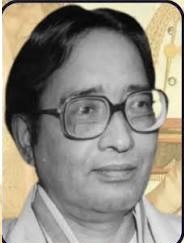
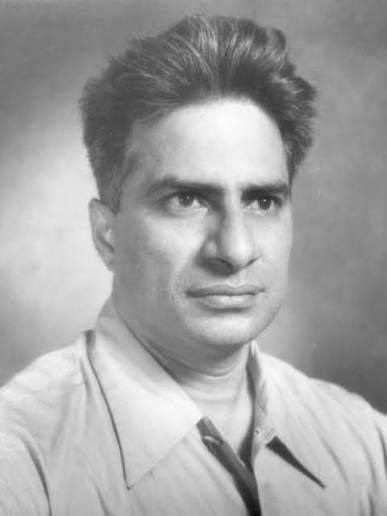
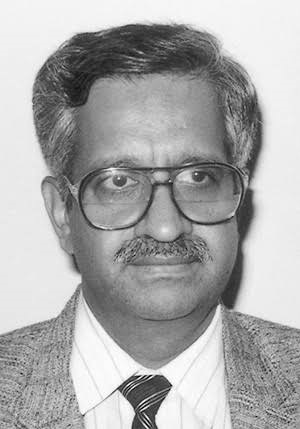
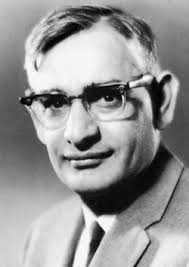
Dr. Har Gobind Khorana (1922–2011) was an Indian-American biochemist whose pioneering research transformed modern molecular biology and genetics. He shared the 1968 Nobel Prize in Physiology or Medicine for deciphering the genetic code and explaining how nucleotide sequences in DNA and RNA determine the synthesis of proteins. His groundbreaking work laid the foundation for genetic engineering, biotechnology, gene therapy, and modern medical research. Khorana’s achievements remain among the greatest scientific contributions of the twentieth century, inspiring generations of scientists worldwide.
Early Life and Education
Har Gobind Khorana was born on January 9, 1922, in the small village of Raipur, Punjab (then part of British India, now in Pakistan). His father, Ganpat Rai Khorana, served as a village tax collector and strongly believed in the value of education despite the family’s modest financial circumstances.
Khorana completed his early education in local schools before earning a Bachelor of Science (1943) and Master of Science (1945) in Chemistry from the University of the Punjab in Lahore.
In 1945, he received a Government of India scholarship to pursue higher studies in England. He completed his Ph.D. in Organic Chemistry at the University of Liverpool in 1948 under Professor Roger J. S. Beer. Later, he undertook postdoctoral research at the Swiss Federal Institute of Technology (ETH Zurich) with renowned chemist Vladimir Prelog and also worked at the University of Cambridge with Nobel laureate Sir Alexander Todd, gaining expertise in nucleic acid chemistry.
Scientific Career & Research
Khorana began his independent research career at the University of British Columbia in Canada during the early 1950s. There, he focused on nucleotide chemistry and the synthesis of biologically important molecules.
In 1960, he joined the University of Wisconsin–Madison, where he conducted the research that earned him international recognition. Working alongside other leading scientists, Khorana developed methods for synthesizing artificial RNA molecules with known nucleotide sequences.
These synthetic RNA molecules enabled researchers to determine how combinations of nucleotides correspond to specific amino acids, ultimately revealing the language of the genetic code.
In 1970, Khorana became a professor at the Massachusetts Institute of Technology (MIT), where he continued groundbreaking work in molecular biology, membrane proteins, and gene synthesis for over three decades.
Major Discoveries and Inventions
1. Deciphering the Genetic Code
Har Gobind Khorana’s most celebrated achievement was helping determine how sequences of nucleotides specify amino acids during protein synthesis.
His experiments demonstrated that:
- Three nucleotides (a codon) encode one amino acid.
- Specific codons correspond to specific amino acids.
- The genetic code is universal across almost all living organisms.
This discovery explained one of biology’s greatest mysteries—how genetic information is translated into proteins.
2. Artificial RNA Synthesis
Khorana developed innovative techniques to chemically synthesize RNA molecules with predetermined sequences.
These synthetic RNA strands allowed scientists to:
- Decode individual codons.
- Understand protein synthesis.
- Verify the structure of the genetic code.
3. First Artificial Gene
In the early 1970s, Khorana became the first scientist to chemically synthesize a complete artificial gene.
This remarkable achievement demonstrated that genes could be created in the laboratory and paved the way for:
- Genetic engineering
- Recombinant DNA technology
- Synthetic biology
- Modern biotechnology
4. Research on Membrane Proteins
Later in his career, Khorana investigated membrane proteins, particularly bacteriorhodopsin, which converts light energy into chemical energy.
His studies improved understanding of:
- Cellular communication
- Vision
- Energy conversion
- Protein structure and function
Awards and Honours
Har Gobind Khorana received numerous prestigious awards throughout his career, including:
- 1968 Nobel Prize in Physiology or Medicine (shared with Marshall W. Nirenberg and Robert W. Holley)
- Albert Lasker Award for Basic Medical Research (1968)
- National Medal of Science (United States, 1987)
- Member of the United States National Academy of Sciences
- Fellow of the Royal Society (FRS)
- Numerous honorary doctorates from universities around the world
Several institutions, scholarships, and research awards have also been named in his honor.
Later Life and Death
Khorana spent the majority of his later career at MIT, mentoring students and conducting advanced research in genetics and molecular biology.
Even after retirement, he remained active in scientific discussions and continued encouraging young researchers to pursue excellence in science.
Har Gobind Khorana passed away on November 9, 2011, in Concord, Massachusetts, USA, at the age of 89.
His passing marked the end of an extraordinary scientific career that fundamentally changed modern biology.
Legacy and Impact
Har Gobind Khorana’s discoveries revolutionized molecular biology and continue to influence science today.
His legacy includes:
- Unlocking the genetic code
- Making artificial gene synthesis possible
- Advancing genetic engineering
- Laying the foundation for synthetic biology
- Enabling biotechnology and gene therapy
- Improving medical diagnostics and pharmaceutical research
- Inspiring scientists worldwide through his remarkable journey from a small Indian village to Nobel laureate
Modern fields such as genome editing, personalized medicine, DNA sequencing, and synthetic biology all build upon Khorana’s pioneering work.
Conclusion
Har Gobind Khorana stands among the greatest biochemists in history. His determination, scientific brilliance, and innovative research solved one of biology’s greatest mysteries—the genetic code—and transformed the life sciences forever. His invention of artificial gene synthesis opened entirely new fields of research, while his Nobel Prize-winning discoveries continue to influence medicine, biotechnology, and genetics. Khorana’s life remains a powerful example of how education, perseverance, and curiosity can lead to discoveries that benefit humanity for generations.
About the Author