Introduction
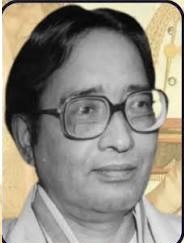
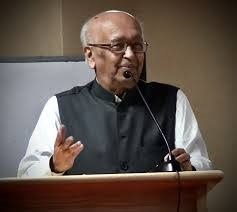
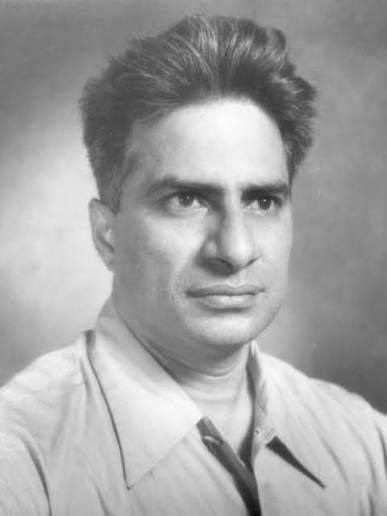
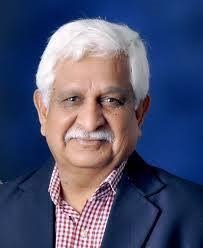
Man Mohan Sharma (M. M. Sharma) is one of India’s most celebrated chemical engineers and an internationally recognized pioneer in chemical engineering research and industrial innovation. Often referred to as the “Father of Modern Chemical Engineering in India,” Sharma has made groundbreaking contributions to reaction engineering, multiphase reactors, catalysis, transport phenomena, and industrial process development. His work has significantly influenced India’s chemical, pharmaceutical, petrochemical, and energy industries.
Through his research, teaching, and leadership, Sharma helped transform chemical engineering from an academic discipline into a powerful driver of industrial growth and technological innovation.
Early Life and Education
M. M. Sharma was born on September 1, 1937, in India. From an early age, he demonstrated exceptional academic ability and a strong interest in science and engineering.
He pursued his undergraduate studies in chemical engineering and later joined the prestigious University Department of Chemical Technology (now the Institute of Chemical Technology, ICT Mumbai).
To further his expertise, Sharma pursued advanced studies abroad and earned a doctoral degree in chemical engineering. His education exposed him to advanced industrial technologies and research methods that would later shape his distinguished career.
Scientific Career & Research
After completing his education, Sharma joined ICT Mumbai, where he spent much of his career as a researcher, professor, and mentor. He became one of the world’s leading experts in chemical reaction engineering.
His major research interests include:
- Chemical Reaction Engineering
- Multiphase Reactor Engineering
- Catalysis
- Transport Phenomena
- Interfacial Phenomena
- Petrochemical Engineering
- Industrial Process Development
- Environmental Engineering
His research combined fundamental scientific principles with practical industrial applications, leading to numerous technological innovations.
Major Discoveries and Inventions
Multiphase Reactor Engineering
One of Sharma’s most significant contributions is his work on gas-liquid and gas-liquid-solid reaction systems. His studies improved understanding of how reactions occur in industrial reactors and helped optimize large-scale chemical manufacturing processes.
Catalytic Reaction Engineering
He developed new approaches for catalytic reactions used in the production of chemicals, fuels, and pharmaceuticals. His research improved efficiency, selectivity, and productivity in industrial processes.
Transport and Interfacial Phenomena
Sharma made important contributions to understanding mass transfer and interfacial phenomena, which are essential in chemical reactors, separation processes, and industrial equipment design.
Industrial Process Innovation
Throughout his career, Sharma worked closely with industry to solve practical engineering problems. Many of his innovations were adopted by chemical and petrochemical industries, leading to improved production methods.
Technology Transfer
A major aspect of his work involved transferring laboratory discoveries into commercial technologies. His research resulted in numerous industrial applications and patents.
Consultancy and Industrial Collaboration
He collaborated with hundreds of industrial organizations, helping improve manufacturing efficiency and technological capabilities across multiple sectors.
Awards and Honours
M. M. Sharma has received numerous prestigious national and international awards.
Padma Bhushan
The Government of India awarded him the Padma Bhushan for his outstanding contributions to science and engineering.
Padma Vibhushan
In recognition of his exceptional service to science and technology, he was awarded the Padma Vibhushan, India’s second-highest civilian honor.
Shanti Swarup Bhatnagar Prize
He received the Shanti Swarup Bhatnagar Prize for Science and Technology, one of India’s most prestigious scientific awards.
Fellowships
He has been elected Fellow of numerous distinguished academies, including:
- Royal Society (FRS)
- Indian National Science Academy
- Indian Academy of Sciences
International Recognition
He has received honorary doctorates, international medals, and awards from engineering societies around the world.
Later Life and Career
Even after formal retirement, Sharma remained actively involved in research, industrial consultancy, policy development, and scientific mentoring. He continued to advise industries, research institutions, and government organizations on technological innovation and industrial development.
His continued engagement with academia and industry has allowed him to influence multiple generations of engineers and scientists.
Legacy and Impact
M. M. Sharma’s contributions have had a profound impact on chemical engineering and industrial technology.
Father of Modern Chemical Engineering in India
His work helped establish India as a global center for chemical engineering research and education.
Industrial Transformation
His innovations improved industrial productivity and competitiveness across chemical, petrochemical, and pharmaceutical sectors.
Research Excellence
His scientific publications remain widely cited and continue to influence research in reaction engineering and process technology.
Mentorship
He trained and inspired thousands of engineers, researchers, and industrial professionals.
Science–Industry Partnership
Sharma demonstrated how academic research can directly contribute to industrial growth and national development.
Conclusion
M. M. Sharma is one of the most influential chemical engineers in India’s history. His pioneering contributions to reaction engineering, catalysis, multiphase systems, and industrial process development have transformed both science and industry. Through decades of research, teaching, innovation, and leadership, he helped shape modern chemical engineering in India and earned worldwide recognition. His remarkable achievements continue to inspire engineers, scientists, and innovators across the globe.
About the Author