Introduction
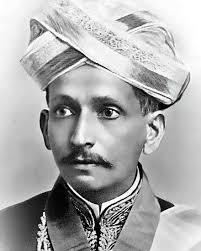
Mokshagundam Visvesvaraya, popularly known as Sir M. Visvesvaraya, was one of India’s greatest engineers and nation-builders. He is celebrated for his outstanding contributions to civil engineering, irrigation systems, flood control, and dam construction. His innovative engineering solutions helped modernize infrastructure across India and significantly improved water management. Because of his remarkable achievements, he is regarded as one of the pioneers of modern engineering in India, and his birthday, 15 September, is celebrated annually as Engineers’ Day in India.
Early Life and Education
M. Visvesvaraya was born on 15 September 1861 in Muddenahalli. He belonged to a modest family and demonstrated exceptional academic ability from an early age.
He completed his early education in Chikkaballapur and later attended Central College, where he earned a Bachelor of Arts degree. He then pursued Civil Engineering at the College of Engineering Pune, graduating with distinction.
His academic excellence and dedication laid the foundation for a remarkable engineering career.
Scientific Career & Research
After completing his engineering studies, Visvesvaraya joined the Bombay Public Works Department as an Assistant Engineer. He quickly gained recognition for his technical expertise and innovative solutions to water supply and irrigation challenges.
Throughout his career, he worked on projects involving water conservation, flood protection, irrigation systems, and urban planning. His research and practical engineering applications focused on improving water resource management and supporting economic development.
Later, he served as the Chief Engineer of the princely state of Mysore and subsequently became the Diwan (Prime Minister) of Mysore, where he implemented several modernization initiatives.
Major Discoveries and Inventions
1. Automatic Sluice Gates
One of Visvesvaraya’s most notable inventions was the development of automatic sluice gates, which regulated water flow in reservoirs and dams. This innovation improved water storage efficiency and flood control.
2. Krishna Raja Sagara (KRS) Dam
Krishna Raja Sagara Dam is one of India’s most famous dams. Visvesvaraya played a key role in its planning and construction, helping transform agriculture and irrigation in the region.
3. Flood Protection System for Hyderabad
He designed an effective flood-control system for Hyderabad after devastating floods in the early 20th century. His recommendations significantly reduced future flood risks.
4. Irrigation and Water Management Projects
Visvesvaraya introduced modern irrigation methods and water-distribution systems that improved agricultural productivity across several regions of India.
5. Urban Water Supply Systems
He contributed to the design and implementation of efficient water supply systems for many cities, improving public health and urban development.
6. Industrial Development Initiatives
As Diwan of Mysore, he promoted industrialization by supporting the establishment of major institutions and industries, including steel manufacturing, banking, and higher education facilities.
Awards and Honours
M. Visvesvaraya received numerous awards and recognitions for his extraordinary contributions:
- Bharat Ratna (1955)
- Knighted by the British Government in 1915, earning the title “Sir”
- Honorary memberships in engineering institutions
- Several honorary doctorates from universities in India and abroad
His contributions continue to be recognized by engineering organizations worldwide.
Later Life and Death
After retiring from active public service, Visvesvaraya remained involved in engineering, education, and national development. He wrote books on economic planning, industrial growth, and engineering management, sharing his knowledge with future generations.
He lived an exceptionally long and productive life. On 14 April 1962, Sir M. Visvesvaraya passed away at the age of 100. His death marked the end of an era in Indian engineering and public service.
Legacy and Impact
M. Visvesvaraya’s legacy is evident in India’s dams, irrigation networks, water management systems, and engineering institutions. His innovations in flood control and dam technology influenced infrastructure projects throughout the country.
The Krishna Raja Sagara Dam remains one of his most enduring achievements, while his ideas on economic planning and industrialization helped shape modern Karnataka’s development.
Every year, India celebrates Engineers’ Day on 15 September in his honor, recognizing his immense contributions to engineering and nation-building.
Conclusion
Sir M. Visvesvaraya was a visionary civil engineer whose innovations in dam construction, irrigation, and water management transformed India’s infrastructure. His inventions, leadership, and dedication to public service contributed significantly to the country’s development. Remembered as one of India’s greatest engineers, his legacy continues to inspire engineers, planners, and policymakers to use science and technology for national progress.
About the Author