1. Introduction
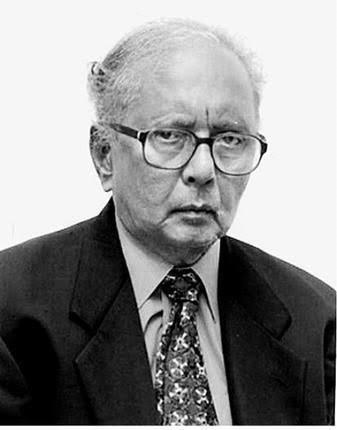
Ram Narain Malhotra, universally known as R. N. Malhotra, was a towering figure in Indian public administration, financial policymaking, and central banking. Serving as the 17th Governor of the Reserve Bank of India (RBI) from 1985 to 1990, his tenure bridged the gap between India’s traditional protectionist economic framework and the sweeping modernization of the financial sector that followed. An exemplary bureaucrat, a former Finance Secretary, and India’s Executive Director at the International Monetary Fund (IMF), Malhotra’s strategic foresight laid the essential institutional groundwork for India’s 1990s economic transformation.
2. Quick Facts
- Full Name: Ram Narain Malhotra
- Native Name: राम नारायण मल्होत्रा
- Date of Birth: 1926
- Place of Birth: British India
- Nationality: Indian
- Occupation/Profession: Civil Servant, Central Banker, Financial Administrator
- Field of Achievement: Public Administration, Monetary Economics, and Banking Reforms
- Years Active: 1949–1997
3. Award Information (Focus: Padma Bhushan)
- Award Name: Padma Bhushan
- Award Category: Third-highest civilian award in India
- Award Year: 1990
- Presented By: The President of India
- Date of Ceremony: Rashtrapati Bhavan, New Delhi
- Citation/Official Reason: In recognition of his exceptional and distinguished service in civil service, public administration, and monumental contributions to India’s financial sector.
- Previous Recipients (Notable): Eminent statesmen, scientists, scholars, and public servants.
- Next Recipients: Succeeding batches of national civilian honorees.
4. Why They Received the Award
R. N. Malhotra was honored with the Padma Bhushan in 1990 for his decades of exemplary leadership in the Indian Administrative Service (IAS) and his profound stewardship of the Indian economy. As RBI Governor, Finance Secretary, and IMF Executive Director, he successfully navigated complex financial challenges, instituted critical banking infrastructure, stabilized national currency regulations, and managed foreign exchange reserves with unyielding prudence.
5. Early Life
Born in 1926 during British colonial rule, Malhotra grew up during a transformative era in Indian history. Witnessing the struggle for independence and the subsequent birth of the republic shaped his deeply ingrained sense of duty, national integrity, and public service. He pursued higher education with a focus on administrative and analytical disciplines, preparing himself to serve the newly independent nation.
6. Education
- Academic Background: Educated in pre-independence and post-independence institutions, earning strong academic credentials in economics and public policy.
- Civil Service Training: Received rigorous administrative training upon selection into the elite Indian Administrative Service (IAS), establishing a lifelong commitment to institutional governance and fiscal policy.
7. Career Journey
- Indian Administrative Service (IAS): Served in various high-ranking administrative assignments, displaying exceptional capability in state and national governance.
- Finance Secretary: Served as the Secretary in the Ministry of Finance, Government of India, managing national budgets and domestic fiscal frameworks.
- IMF Executive Director: Represented India as the Executive Director of the International Monetary Fund (IMF) in Washington, D.C., managing global financial diplomacy.
- 17th RBI Governor (1985–1990): Appointed as Governor of the Reserve Bank of India on February 4, 1985, serving nearly six years until December 21/22, 1990.
- Post-Retirement Committees: Continued to lead major reform committees, most notably heading the pioneering Malhotra Committee on insurance sector reforms in the 1990s.
8. Major Achievements
- Introduction of the 500-Rupee Note: During his tenure, mounting economic transactions led to the introduction of the high-denomination Rs. 500 currency note in India.
- Institutional Expansion: Spearheaded the establishment of vital financial institutions, including the Discount and Finance House of India (DFHI), the National Housing Bank (NHB), and the inauguration of the Indira Gandhi Institute of Development Research (IGIDR).
- The Malhotra Committee Report (1993–1994): Headed the landmark committee whose recommendations paved the way for the opening up of India’s insurance sector and the eventual creation of the Insurance Regulatory and Development Authority (IRDA).
9. Contribution to the Nation
Malhotra’s contributions to India’s macroeconomic stability were profound. He balanced inflation control with growth objectives, modernized monetary transmission channels, and upgraded payment and financial infrastructure. By laying the groundwork for market-oriented financial regulation and institutional autonomy, he helped shield India from severe external shocks and prepared the ground for the sweeping economic liberalization of 1991.
10. Other Awards and Honours
- Padma Bhushan (1990): Conferred by the Government of India for distinguished civil service.
- Global Recognition: Acclaimed by international monetary institutions and think tanks for prudent, consultative, and firm central banking.
11. Legacy and Influence
R. N. Malhotra is remembered as a quintessential central banker who combined administrative pragmatism with deep economic insight. His emphasis on institutional independence, structural reform, and careful risk management set a high benchmark for succeeding RBI governors. Furthermore, his personal life shared a unique distinction: he was married to Anna Rajam Malhotra, who made history as the first woman IAS officer in independent India.
12. Interesting Facts
- Long Tenure: Serving for nearly six years, Malhotra’s tenure was one of the longest in the modern history of the Reserve Bank of India.
- Signature on Currency: As RBI Governor, his distinctive signature appeared on several Indian currency notes issued during the mid-to-late 1980s (such as the 50-rupee note variants of 1986).
- Power Couple in Civil Service: Both he and his late wife, Anna Rajam Malhotra, left an indelible mark on Indian public administration as pioneering civil servants.
13. Quotes
“The central bank must work constructively toward national economic goals while maintaining professional autonomy and policy discipline.” — Reflecting on central banking philosophy.
14. Timeline
- 1926: Born in British India
- 1940s–1950s: Enters the Indian Administrative Service (IAS)
- Pre-1985: Serves as Union Finance Secretary and India’s Executive Director at the IMF
- February 4, 1985: Assumes office as the 17th Governor of the Reserve Bank of India
- 1980s (Mid-Tenure): Oversees the introduction of the Rs. 500 banknote and establishes the NHB and DFHI
- December 22, 1990: Concludes his tenure as RBI Governor
- 1990: Awarded the Padma Bhushan by the President of India
- 1993–1994: Chairs the high-powered Malhotra Committee on insurance sector reforms
- April 29, 1997: Passes away in New Delhi
15. References
- Reserve Bank of India (RBI) – Official Archives and List of Governors.
- Ministry of Home Affairs, Government of India – Padma Awards Directory.
- Wikipedia – R. N. Malhotra Biography.
- Historical financial documentation and Indian currency paper money guidebooks (Manik Jain).
16. Related Personalities
- Anna Rajam Malhotra: India’s first female IAS officer and wife of R. N. Malhotra.
- Dr. Manmohan Singh: Predecessor/contemporary economic architect in Indian policymaking.
- S. Venkitaramanan: Successor as the 18th Governor of the Reserve Bank of India.
17. Frequently Asked Questions (FAQ)
Q1: Who was R. N. Malhotra?
A: Ram Narain Malhotra was an elite Indian civil servant who served as the 17th Governor of the Reserve Bank of India from 1985 to 1990 and India’s Executive Director at the IMF.
Q2: What are some major contributions of R. N. Malhotra to India’s banking system?
A: He introduced the Rs. 500 currency note, established the National Housing Bank and the Discount and Finance House of India, and later headed the Malhotra Committee which laid the framework for modern insurance sector reforms.
Q3: When did he receive the Padma Bhushan?
A: He was awarded the Padma Bhushan, India’s third-highest civilian honor, in the year 1990.
About the Author