1. Introduction
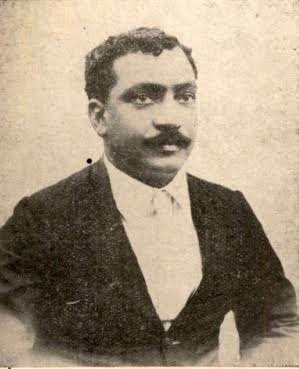
Justice Anukul Chandra Mukherjee was a distinguished Indian jurist, judge, legal scholar, and public servant. He served as the Chief Justice of the Calcutta High Court and was widely respected for his integrity, judicial wisdom, and contributions to the development of Indian law during the early years after Independence. Throughout his legal career, he played an important role in strengthening the Indian judiciary and upholding the rule of law. In recognition of his distinguished service in the field of law and public affairs, the Government of India awarded him the Padma Bhushan in 1964.
2. Quick Facts
| Particular | Details |
|---|---|
| Full Name | Justice Anukul Chandra Mukherjee |
| Native Name | অনুকূল চন্দ্র মুখার্জী (Bengali) |
| Date of Birth | 1888 |
| Place of Birth | Bengal Presidency, British India (present-day West Bengal, India) |
| Date of Death | 1968 |
| Nationality | Indian |
| Occupation / Profession | Judge, Jurist, Legal Scholar |
| Field of Achievement | Law, Judiciary, Public Affairs |
| Years Active | 1910s–1960s |
| Known For | Chief Justice of the Calcutta High Court and eminent Indian jurist |
3. Award Information
Award Name
Padma Bhushan
Award Category
Public Affairs / Law
Award Year
1964
Presented By
President of India
Date of Ceremony
1964 Padma Awards Investiture Ceremony
Official Citation / Reason
Justice Anukul Chandra Mukherjee received the Padma Bhushan for his distinguished contributions to the Indian judiciary, legal administration, and public service.
Previous Recipients (Optional)
The Padma Bhushan is not awarded in a sequential order; therefore, there are no official previous recipients.
Next Recipients
Not applicable.
4. Why Did Anukul Chandra Mukherjee Receive the Padma Bhushan?
Justice Mukherjee was honored with the Padma Bhushan because of his:
- Outstanding judicial career.
- Contributions to strengthening India’s legal system.
- Leadership as Chief Justice of the Calcutta High Court.
- Commitment to constitutional values and justice.
- Long record of public service through the judiciary.
- Reputation for impartiality, integrity, and legal scholarship.
5. Early Life
Anukul Chandra Mukherjee was born in 1888 in the Bengal Presidency during British rule. Raised in an environment that valued education and public service, he showed academic excellence from an early age. His interest in law led him to pursue a legal career, during which he earned recognition for his analytical ability and ethical standards.
6. Education
Justice Mukherjee completed his higher education in Bengal before studying law.
Educational Qualifications
- Early education in Bengal.
- Bachelor’s degree from the University of Calcutta (reported in historical biographical sources).
- Legal education from the University of Calcutta.
- Enrolled as an advocate of the Calcutta High Court.
His legal training prepared him for a distinguished judicial career.
7. Career Journey
Justice Mukherjee’s legal career spanned several decades.
Career Highlights
- Began legal practice at the Calcutta High Court.
- Earned recognition as an accomplished advocate.
- Appointed Judge of the Calcutta High Court.
- Served as Chief Justice of the Calcutta High Court.
- Contributed to important judicial decisions involving constitutional, civil, and administrative law.
- Continued to serve public institutions even after retiring from the judiciary.
8. Major Achievements
- Served as Chief Justice of the Calcutta High Court.
- Played a significant role in strengthening judicial administration.
- Delivered several important legal judgments.
- Promoted judicial independence and constitutional governance.
- Received the Padma Bhushan (1964) for his contributions to law and public affairs.
9. Contribution to the Nation
Justice Mukherjee contributed to India by:
- Upholding the rule of law.
- Strengthening public confidence in the judiciary.
- Supporting the development of constitutional governance after Independence.
- Improving judicial administration.
- Mentoring younger members of the legal profession.
- Promoting fairness, justice, and ethical legal practice.
10. Other Awards and Honours
In addition to the Padma Bhushan, Justice Mukherjee received:
- Recognition from legal and judicial institutions for his distinguished service.
- Respect and honorary positions within the legal community.
- Commemorations in legal publications highlighting his judicial contributions.
11. Legacy and Influence
Justice Anukul Chandra Mukherjee is remembered as one of the respected judges of post-independence India.
His legacy includes:
- Strengthening the independence of the judiciary.
- Setting high ethical standards for judges.
- Influencing the interpretation of constitutional and civil law.
- Inspiring future generations of judges and lawyers.
His judicial work continues to be respected in India’s legal history.
12. Interesting Facts
- He served during a transformative period in India’s judicial history.
- He was known for his impartiality and balanced judgments.
- His career covered both the British colonial era and independent India.
- He was honored with the Padma Bhushan for his service to law and public affairs.
- He is remembered as one of the distinguished Chief Justices of the Calcutta High Court.
13. Quotes
There are no widely verified or authenticated quotations attributed to Justice Anukul Chandra Mukherjee in reliable historical sources. For an accurate blog, it is advisable not to include unverified quotes.
14. Timeline
| Year | Event |
|---|---|
| 1888 | Born in Bengal Presidency |
| 1910s | Began legal practice |
| 1930s–1940s | Served as Judge of the Calcutta High Court |
| 1950s | Served as Chief Justice of the Calcutta High Court |
| 1964 | Awarded the Padma Bhushan |
| 1968 | Passed away |
15. References
- Government of India – Padma Awards Portal: https://www.padmaawards.gov.in/
- Government of India – Padma Awards 1964 Notification: https://www.padmaawards.gov.in/Document/pdf/notifications/PadmaAwards/1964.pdf
- Calcutta High Court – Historical records: https://www.calcuttahighcourt.gov.in/
- Supreme Court of India – Judicial history resources: https://main.sci.gov.in/
- Legal history publications on the Calcutta High Court.
16. Related Personalities
- Sudhi Ranjan Das – Former Chief Justice of India.
- Bijan Kumar Mukherjea – Former Chief Justice of India.
- P. B. Gajendragadkar – Former Chief Justice of India.
- Hiralal J. Kania – First Chief Justice of India.
- B. K. Mukherjea – Eminent jurist and judge.
17. Frequently Asked Questions (FAQ)
Who was Anukul Chandra Mukherjee?
Justice Anukul Chandra Mukherjee was an Indian jurist who served as the Chief Justice of the Calcutta High Court and was honored with the Padma Bhushan for his contributions to the judiciary.
Why is Anukul Chandra Mukherjee famous?
He is known for his distinguished judicial career, his leadership of the Calcutta High Court, and his role in strengthening India’s legal system.
Which award did Anukul Chandra Mukherjee receive?
He received the Padma Bhushan in 1964 for his distinguished service in law and public affairs.
What was his contribution to the Indian judiciary?
He helped strengthen judicial administration, upheld constitutional values, and earned a reputation for impartiality and integrity during his tenure as Chief Justice of the Calcutta High Court.
What is Justice Anukul Chandra Mukherjee’s legacy?
His legacy lies in promoting judicial independence, maintaining high ethical standards in the judiciary, and contributing to the development of India’s legal system during the early decades after Independence.
About the Author