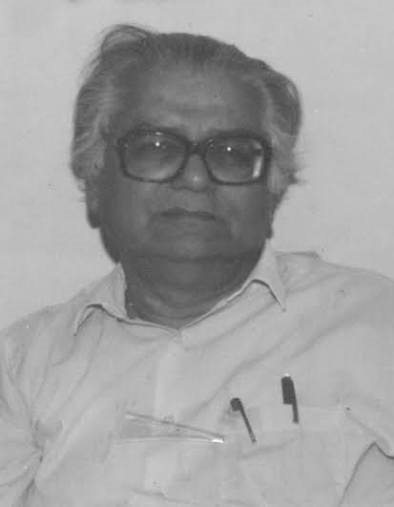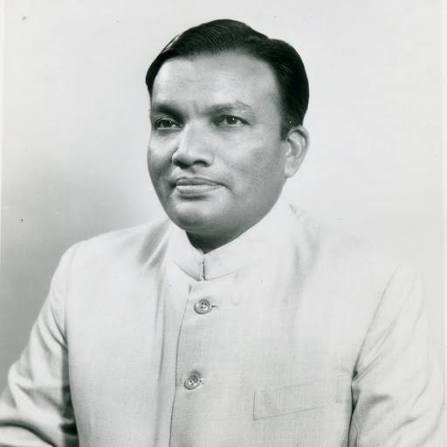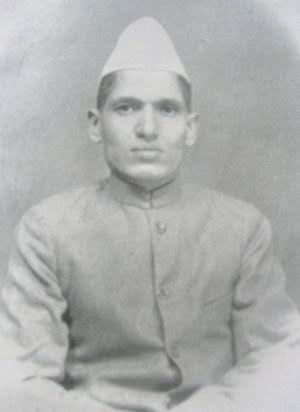
Sitaram Seksaria (1892–1982) was an Indian Gandhian, freedom fighter, social reformer, educationist, philanthropist, and institution builder. He played a significant role in social reform, women’s education, Hindi promotion, and community development, especially among the Marwari community in Bengal. The Government of India honoured him with the Padma Bhushan in 1962 for his distinguished contributions to social service and public life.
1. Introduction
Sitaram Seksaria was a prominent social worker and follower of Mahatma Gandhi’s ideals. Although he had limited formal education, he became a respected public figure through his dedication to social reform, education, and national service.
He worked for the upliftment of society by establishing educational institutions, promoting Indian languages, encouraging women’s education, and supporting Gandhian values of self-reliance and social responsibility.
2. Quick Facts
| Information | Details |
|---|---|
| Full Name | Sitaram Seksaria |
| Date of Birth | 1892 |
| Place of Birth | India |
| Date of Death | 1982 |
| Nationality | Indian |
| Profession | Social Reformer, Freedom Fighter, Educationist, Philanthropist |
| Field of Achievement | Social Work, Public Service, Education |
| Years Active | Early 20th century – 1982 |
| Known For | Gandhian social reform, institution building, education initiatives |
3. Award Information
| Field | Details |
|---|---|
| Award Name | Padma Bhushan |
| Award Category | Social Work / Public Affairs |
| Award Year | 1962 |
| Presented By | Government of India |
| Date of Ceremony | 1962 Investiture Ceremony |
| Official Reason | Contributions to society through social service, education, and public welfare |
| Awarding Authority | Government of India |
Sitaram Seksaria was among the Padma Bhushan awardees of 1962. The official Padma Awards records list him among recipients from that year.
4. Why Did He Receive the Padma Bhushan?
Sitaram Seksaria received the Padma Bhushan for:
- His lifelong dedication to social reform.
- Promotion of education, especially women’s education.
- Establishment of institutions for public welfare.
- Contribution to Indian language and cultural development.
- Work inspired by Gandhian principles.
- Service to society and community development.
5. Early Life
Sitaram Seksaria was born in 1892. He belonged to the Marwari community and grew up during the period of India’s freedom struggle.
Despite being largely self-educated, he developed a deep interest in social issues, Indian culture, education, and national service. His association with Gandhian thought shaped his vision of social upliftment.
6. Education
- Sitaram Seksaria was largely self-educated.
- He developed knowledge through independent study, social interaction, and involvement in public activities.
- His practical education came from his experiences in social reform and public service.
7. Career Journey
Association with Gandhian Movement
Seksaria was deeply influenced by Mahatma Gandhi’s philosophy of social service, self-reliance, and national development. He participated in activities supporting social improvement and national causes.
Institution Building
He founded and supported several organizations, including:
Shri Shikshayatan
He established Shri Shikshayatan, an educational institution focused on providing quality education, particularly for women.
Marwari Balika Vidyalaya
He supported women’s education through institutions such as Marwari Balika Vidyalaya, helping expand educational opportunities for girls.
Samaj Sudhar Samiti
He founded Samaj Sudhar Samiti, an organization dedicated to social reform and community improvement.
Promotion of Hindi Language
He established organizations such as Bangiya Hindi Parishad and contributed to the promotion and development of Hindi language and literature.
8. Major Achievements
- Awarded the Padma Bhushan in 1962.
- Founded Shri Shikshayatan, a major educational institution.
- Promoted women’s education.
- Established social reform organizations.
- Supported Hindi language development.
- Worked for community welfare and social improvement.
- Contributed to Gandhian social movements.
9. Contribution to the Nation
Sitaram Seksaria contributed to India by:
- Expanding educational opportunities.
- Supporting women’s empowerment through education.
- Promoting social equality and reform.
- Encouraging Indian languages and cultural awareness.
- Strengthening community organizations.
- Carrying forward Gandhian ideals after independence.
10. Other Awards and Honours
- Padma Bhushan (1962) – Government of India.
- Honoured for his contributions to social service and institution building.
- Remembered through institutions and organizations established through his efforts.
11. Legacy and Influence
Sitaram Seksaria’s greatest legacy lies in institution building and social reform. The educational and cultural organizations founded by him continue to contribute to society.
His life demonstrated that dedication, social responsibility, and service could create lasting change even without holding major political office.
12. Interesting Facts
- He was largely self-educated.
- He was strongly influenced by Mahatma Gandhi’s philosophy.
- He worked for the advancement of the Marwari community in Bengal.
- He promoted women’s education through educational institutions.
- He founded organizations dedicated to education, social reform, and language promotion.
- He received the Padma Bhushan in 1962.
13. Quotes
No widely authenticated quotations by Sitaram Seksaria are available in reliable historical records.
14. Timeline
| Year | Event |
|---|---|
| 1892 | Born in India |
| Early 20th century | Became involved in social reform activities |
| 1930s–1940s | Worked with Gandhian social initiatives |
| Post-independence period | Established educational and cultural institutions |
| 1962 | Awarded the Padma Bhushan |
| 1982 | Passed away |
15. References
- Government of India – Padma Awards Dashboard (1962 Padma Bhushan recipients).
- Sitaram Seksaria biography and contributions.
16. Related Personalities
- Mahatma Gandhi – Leader whose ideals influenced Seksaria’s social work.
- Jamnalal Bajaj – Gandhian industrialist and social reformer.
- Gopal Krishna Gokhale – Early social reformer and nationalist thinker.
- T. S. Soundaram – Gandhian social worker and Padma Bhushan recipient.
- Vinoba Bhave – Gandhian philosopher and social reformer.
17. Frequently Asked Questions (FAQ)
1. Who was Sitaram Seksaria?
Sitaram Seksaria was an Indian Gandhian social reformer, freedom fighter, educationist, and philanthropist known for institution building and social service.
2. Which award did Sitaram Seksaria receive?
He received the Padma Bhushan in 1962 for his contributions to society and public welfare.
3. What was Sitaram Seksaria famous for?
He was famous for promoting education, women’s empowerment, Hindi language development, and social reform activities.
4. Which institutions did he establish?
He founded and supported institutions including Shri Shikshayatan, Marwari Balika Vidyalaya, Samaj Sudhar Samiti, and organizations promoting Hindi literature.
5. Was Sitaram Seksaria associated with Mahatma Gandhi?
Yes. He was influenced by Gandhi’s philosophy and followed Gandhian principles in his social service work.
6. When did Sitaram Seksaria die?
He passed away in 1982.
7. What is his main legacy?
His legacy is the network of educational and social institutions he created and his contribution to community welfare and reform.
About the Author