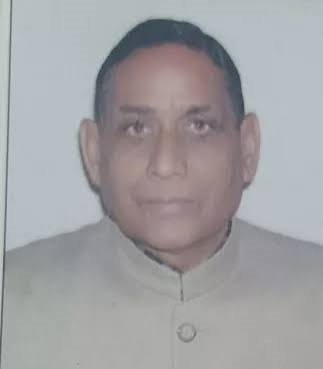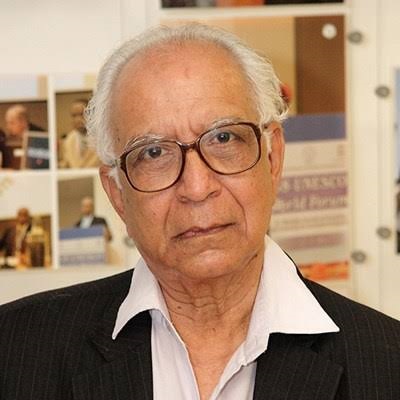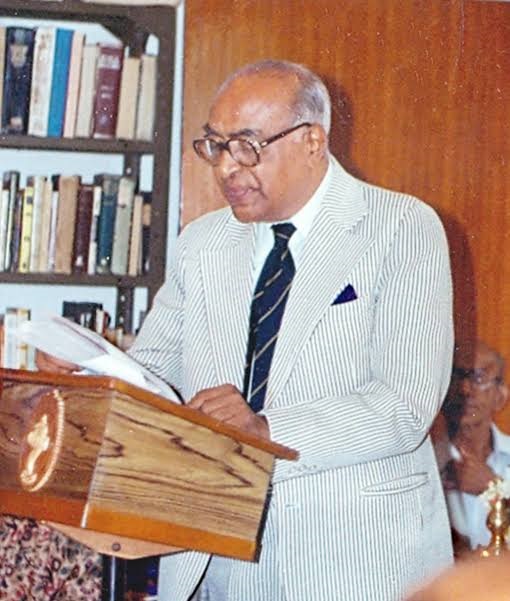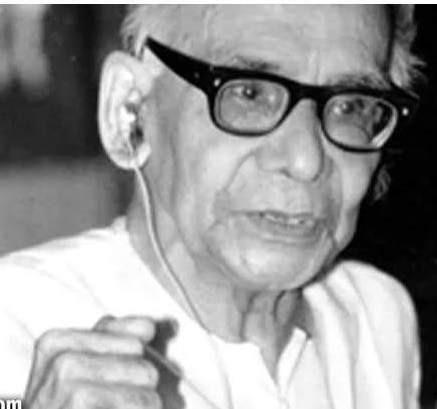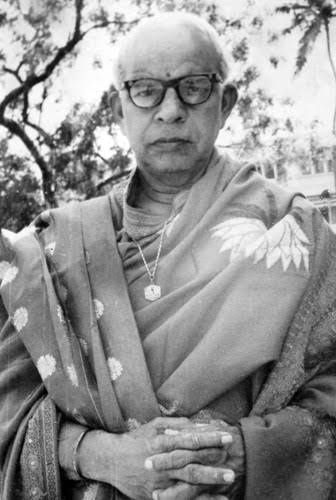
Venkataraman Raghavan (22 August 1908 – 5 April 1979), popularly known as V. Raghavan, was an eminent Indian Sanskrit scholar, Indologist, musicologist, poet, and educationist. He made outstanding contributions to Sanskrit literature, Indian aesthetics, classical music, dance, and theatre. A professor at the University of Madras, he authored more than 120 books and over 1,200 research papers. In recognition of his distinguished services to Literature and Education, the Government of India awarded him the Padma Bhushan in 1962.
1. Introduction
V. Raghavan was one of India’s foremost Sanskrit scholars of the twentieth century. His research covered Sanskrit literature, poetics, philosophy, musicology, Bharatanatyam, and Indian culture. Through his academic writings, translations, and leadership in cultural institutions, he helped preserve and promote India’s classical heritage worldwide. He also played an important role in the revival of Sanskrit studies and Indian performing arts.
2. Quick Facts
| Information | Details |
|---|---|
| Full Name | Venkataraman Raghavan |
| Popular Name | V. Raghavan |
| Native Name | வெங்கடராமன் ராகவன் (Tamil) |
| Date of Birth | 22 August 1908 |
| Place of Birth | Tiruvarur, Tamil Nadu, British India |
| Date of Death | 5 April 1979 |
| Nationality | Indian |
| Profession | Sanskrit Scholar, Indologist, Musicologist, Educationist |
| Field of Achievement | Sanskrit Literature, Indian Culture, Musicology |
| Years Active | 1930s–1979 |
| Known For | Sanskrit research, Indian aesthetics, Carnatic music studies |
3. Award Information
| Field | Details |
|---|---|
| Award Name | Padma Bhushan |
| Award Category | Literature and Education |
| Award Year | 1962 |
| Presented By | President of India |
| Date of Ceremony | 1962 Investiture Ceremony |
| Official Citation | Distinguished contributions to Sanskrit literature and education |
| Awarding Authority | Government of India |
The 1962 Padma Awards notification listed him as “Dr. Venkatarama Raghavan, Professor of Sanskrit, Madras University.”
4. Why Did He Receive the Padma Bhushan?
V. Raghavan received the Padma Bhushan for:
- Outstanding contributions to Sanskrit literature.
- Pioneering research in Indian aesthetics and poetics.
- Preservation and promotion of India’s classical cultural traditions.
- Scholarly work on Carnatic music, Bharatanatyam, and Sanskrit drama.
- Excellence in teaching, research, and higher education.
5. Early Life
V. Raghavan was born on 22 August 1908 in Tiruvarur, Tamil Nadu. He lost both his parents at a young age and was raised by his maternal aunt. Despite these hardships, he excelled academically and developed a lifelong passion for Sanskrit, literature, and Indian culture.
6. Education
- Completed higher education at the University of Madras.
- Specialized in Sanskrit language and literature.
- Earned a Doctorate (Ph.D.) for his research on Bhoja’s Śṛṅgāra Prakāśa, a landmark work on Sanskrit poetics.
7. Career Journey
Academic Career
V. Raghavan joined the Department of Sanskrit at the University of Madras in 1935 and later became Professor and Head of the Department, serving until 1968.
Scholar and Author
He wrote more than:
- 120 books
- 1,200 scholarly articles
His works covered Sanskrit literature, Indian philosophy, aesthetics, music, dance, theatre, and cultural history.
Cultural Leadership
Raghavan served on numerous national and international academic bodies. He edited important journals such as:
- Journal of Oriental Research
- Journal of the Music Academy, Madras
He represented India at international conferences on Sanskrit and Indian music.
8. Major Achievements
- One of India’s foremost Sanskrit scholars.
- Authored over 120 books and 1,200 research papers.
- Professor and Head of the Sanskrit Department, University of Madras.
- International authority on Sanskrit poetics and aesthetics.
- Major contributor to research on Carnatic music and Bharatanatyam.
- Awarded the Padma Bhushan (1962).
- Elected Fellow of the Sangeet Natak Akademi and Fellow of the Sahitya Akademi.
9. Contribution to the Nation
V. Raghavan contributed to India by:
- Preserving Sanskrit manuscripts and classical texts.
- Promoting Indian classical music, dance, and theatre.
- Advancing Sanskrit research in India and abroad.
- Training generations of Sanskrit scholars.
- Representing Indian culture at international academic forums.
- Strengthening the study of Indian aesthetics and philosophy.
10. Other Awards and Honours
- Padma Bhushan (1962) – Government of India.
- Sahitya Akademi Award (1966) for Sanskrit.
- Fellow of the Sangeet Natak Akademi.
- Fellow of the Sahitya Akademi.
- Jawaharlal Nehru Fellowship (1968–1972).
- Kane Gold Medal from the Asiatic Society, Mumbai.
- Honorary memberships in the École française d’Extrême-Orient and the Austrian Academy of Sciences.
11. Legacy and Influence
V. Raghavan is remembered as one of the greatest Sanskrit scholars of modern India. His research continues to influence Sanskrit studies, Indology, Indian aesthetics, musicology, and performing arts. His books remain standard references for scholars worldwide, and his work significantly contributed to the global appreciation of India’s classical traditions.
12. Interesting Facts
- He wrote an epic Sanskrit poem on Muthuswami Dikshitar.
- He translated works of Rabindranath Tagore into Sanskrit.
- He was closely associated with the Music Academy, Madras.
- He represented India at numerous international conferences.
- He was honoured with the title “Kavi Kokila” by the Kanchi Kamakoti Peetham.
- His scholarship spanned literature, music, dance, drama, and philosophy.
13. Quotes
There are no widely authenticated quotations by V. Raghavan available in authoritative historical sources. For factual accuracy, it is best not to attribute unverified quotations to him.
14. Timeline
| Year | Event |
|---|---|
| 1908 | Born in Tiruvarur, Tamil Nadu |
| 1935 | Joined the University of Madras as a Sanskrit scholar |
| 1953 | Received the Kane Gold Medal |
| 1962 | Awarded the Padma Bhushan |
| 1964 | Elected Fellow of the Sangeet Natak Akademi |
| 1966 | Received the Sahitya Akademi Award |
| 1968–1972 | Jawaharlal Nehru Fellow |
| 1979 | Passed away on 5 April |
15. References
- V. Raghavan – Wikipedia
- Government of India – Padma Awards Notification (1962)
- Padma Awards Dashboard
- Sangeet Natak Akademi – V. Raghavan Profile
16. Related Personalities
- Muthuswami Dikshitar
- Rabindranath Tagore
- P. V. Kane
- U. V. Swaminatha Iyer
- C. Rajagopalachari
17. Frequently Asked Questions (FAQ)
1. Who was V. Raghavan?
V. Raghavan was an Indian Sanskrit scholar, musicologist, Indologist, and educationist renowned for his work on Sanskrit literature and Indian classical arts.
2. Why is V. Raghavan famous?
He is famous for his pioneering research in Sanskrit literature, Indian aesthetics, Carnatic music, and Bharatanatyam, as well as for authoring more than 120 books and 1,200 scholarly articles.
3. Which award did V. Raghavan receive?
He received the Padma Bhushan in 1962 in the field of Literature and Education.
4. Where did he teach?
He served as Professor and Head of the Department of Sanskrit at the University of Madras.
5. What were his major contributions?
His major contributions include Sanskrit research, preservation of classical literature, studies in Indian aesthetics, and scholarship on Carnatic music and Bharatanatyam.
6. What honours did he receive besides the Padma Bhushan?
He received the Sahitya Akademi Award, Kane Gold Medal, Jawaharlal Nehru Fellowship, and fellowships of both the Sangeet Natak Akademi and Sahitya Akademi.
7. What is V. Raghavan’s legacy?
He is remembered as one of the greatest modern Sanskrit scholars whose work continues to shape the study of Indian literature, philosophy, music, dance, and cultural history worldwide.
About the Author