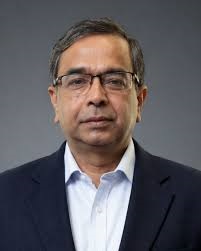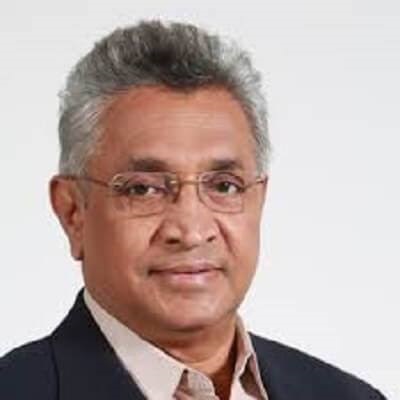

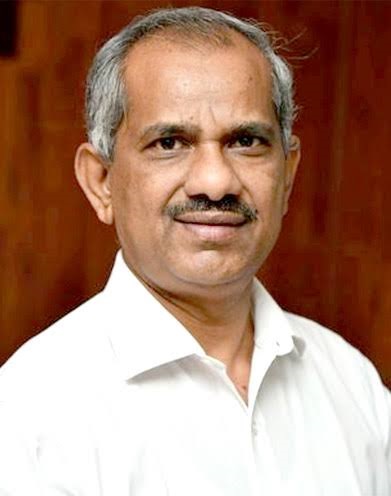
M. Ravichandran – Oceanography & Earth Sciences
Introduction
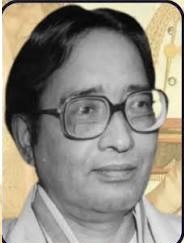
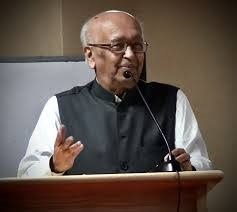
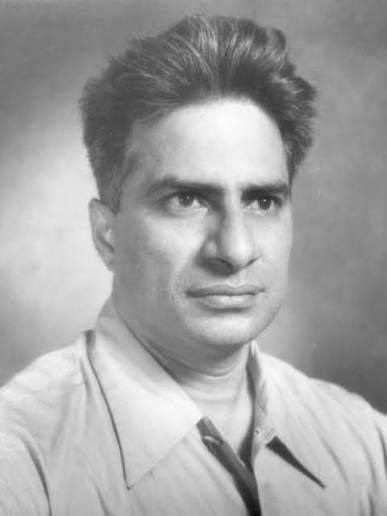
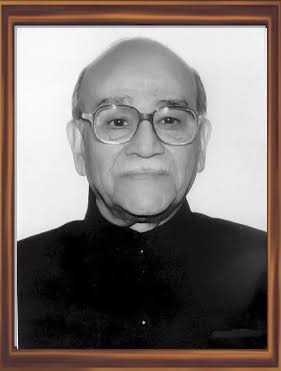
M. Ravichandran is an eminent Indian oceanographer, Earth scientist, and science administrator, renowned for his contributions to physical oceanography, climate science, polar research, and ocean observation systems. He has played a crucial role in advancing India’s understanding of the Indian Ocean, ocean–atmosphere interactions, monsoon variability, and the impacts of climate change. Throughout his career, he has been associated with leading institutions under the Ministry of Earth Sciences (MoES) and has contributed significantly to India’s marine research, operational ocean services, and Antarctic expeditions. As Secretary of the Ministry of Earth Sciences, he has overseen national programs related to weather forecasting, ocean technology, seismology, polar science, and climate research.
Early Life and Education
M. Ravichandran was born in Tamil Nadu, India. He developed a keen interest in mathematics, physics, and the natural sciences during his school years, which inspired him to pursue studies related to the Earth’s oceans and climate.
He earned his undergraduate degree in science before pursuing postgraduate studies in Oceanography. He later obtained a Ph.D. in Oceanography, specializing in physical oceanography and ocean–atmosphere interactions. His academic research focused on understanding ocean circulation, heat exchange, and the role of oceans in regulating weather and climate.
His areas of academic specialization include:
- Physical Oceanography
- Ocean–Atmosphere Interaction
- Climate Science
- Polar Oceanography
- Marine Observation Systems
- Earth System Science
Scientific Career & Research
Early Career
M. Ravichandran began his scientific career by studying the physical processes of the Indian Ocean. His early research examined ocean currents, sea surface temperatures, and the transfer of heat between the ocean and the atmosphere.
These studies contributed to a better understanding of tropical ocean dynamics and their influence on weather systems.
National Institute of Ocean Technology (NIOT)
During his tenure at the National Institute of Ocean Technology (NIOT), Chennai, Ravichandran worked on developing technologies and observation systems for marine research.
His work included:
- Ocean observation platforms
- Deep-sea instrumentation
- Marine environmental monitoring
- Coastal observation networks
- Ocean data collection technologies
These efforts strengthened India’s capability to monitor and study the marine environment.
Indian National Centre for Ocean Information Services (INCOIS)
As Director of the Indian National Centre for Ocean Information Services (INCOIS), Hyderabad, Ravichandran led initiatives to provide operational ocean information to various stakeholders.
His contributions included improving:
- Ocean state forecasting
- Marine weather services
- Tsunami early warning systems
- Fisheries advisory services
- Coastal hazard monitoring
These services benefit fishermen, shipping industries, coastal communities, and disaster management authorities.
Physical Oceanography
A major focus of Ravichandran’s research has been the dynamics of the Indian Ocean.
His studies investigated:
- Ocean circulation patterns
- Sea surface temperature variability
- Ocean heat content
- Air–sea heat exchange
- Seasonal and interannual climate variability
His research has enhanced scientific understanding of how the Indian Ocean influences regional and global climate.
Monsoon and Climate Research
Ravichandran has extensively studied the relationship between the Indian Ocean and the Indian summer monsoon.
His work has examined:
- Monsoon variability
- Oceanic influence on rainfall
- El Niño–Southern Oscillation (ENSO)
- Indian Ocean Dipole (IOD)
- Climate change impacts on ocean circulation
These studies have contributed to improving seasonal weather and monsoon forecasts.
Polar Research
Ravichandran has actively participated in India’s Antarctic research programs and has supported scientific investigations in the Southern Ocean.
His contributions include research on:
- Polar climate
- Ocean circulation around Antarctica
- Sea ice dynamics
- Climate change
- Polar ecosystems
His work has strengthened India’s role in international polar research.
Scientific Leadership
M. Ravichandran has held several important leadership positions, including:
- Director, Indian National Centre for Ocean Information Services (INCOIS)
- Director, National Centre for Polar and Ocean Research (NCPOR)
- Senior scientist at the National Institute of Ocean Technology (NIOT)
- Secretary, Ministry of Earth Sciences (Government of India)
In these roles, he has overseen national programs related to:
- Oceanography
- Meteorology
- Climate science
- Polar research
- Seismology
- Earth observation
- Marine technology
Major Discoveries and Contributions
Although oceanography is a collaborative field, M. Ravichandran has made several notable scientific and technological contributions.
1. Strengthening Ocean Observation Systems
He has played a key role in expanding India’s network of:
- Moored ocean buoys
- Argo profiling floats
- Coastal observation stations
- Satellite-based ocean monitoring
- Research vessel observations
These systems provide valuable data for weather forecasting and climate research.
2. Advances in Monsoon Research
His studies have improved understanding of how ocean temperature, heat content, and circulation influence the Indian monsoon and seasonal rainfall.
3. Ocean Information Services
Under his leadership, operational ocean services have expanded to provide:
- High-quality ocean forecasts
- Marine advisories
- Fishing zone forecasts
- Coastal hazard warnings
- Navigation support
4. Tsunami Warning and Coastal Safety
Ravichandran has contributed to strengthening India’s tsunami early warning capabilities and coastal disaster preparedness through advanced ocean monitoring and forecasting systems.
5. Polar and Climate Research
He has supported long-term observations in Antarctica and the Southern Ocean, helping scientists understand climate change and global ocean circulation.
6. Earth System Science
As Secretary of the Ministry of Earth Sciences, he has promoted integrated research linking the atmosphere, oceans, cryosphere, and solid Earth to improve weather prediction and climate resilience.
Awards and Honours
M. Ravichandran has received several recognitions for his scientific excellence and leadership.
Some of his notable honours include:
- Fellow of the Indian National Academy of Engineering (INAE).
- Fellow of leading Indian scientific societies in oceanography and Earth sciences.
- Recipient of awards from professional organizations for contributions to ocean observation and climate science.
- Leadership recognition for strengthening India’s operational ocean services and polar research programs.
- Invited member of several national and international scientific committees related to oceanography and climate research.
Later Life and Career
In recent years, M. Ravichandran has continued to lead major national initiatives in Earth sciences.
As Secretary of the Ministry of Earth Sciences, he has guided programs in:
- Weather and climate forecasting
- Ocean observations
- Earthquake and tsunami monitoring
- Polar research
- Deep-ocean exploration
- Marine resource management
He continues to represent India in international collaborations on climate change, ocean governance, and polar science.
As of the latest publicly available information, M. Ravichandran is living and remains actively involved in scientific research, policy, and administration.
Legacy and Impact
Advancing Indian Ocean Research
Ravichandran has significantly improved scientific understanding of the Indian Ocean and its role in regional and global climate systems.
Strengthening Ocean Services
His leadership has enhanced India’s ability to provide reliable ocean forecasts, fisheries advisories, tsunami warnings, and marine weather information.
Leadership in Polar Science
He has strengthened India’s Antarctic and Arctic research programs, contributing to international efforts to study climate change and polar environments.
Promoting Integrated Earth Sciences
By encouraging collaboration across oceanography, meteorology, seismology, and climate science, he has advanced the concept of Earth system science in India.
Supporting Disaster Preparedness
The operational forecasting systems developed under his leadership have improved preparedness for cyclones, storm surges, tsunamis, and other coastal hazards.
Mentor and Institution Builder
Through his guidance and administrative leadership, Ravichandran has inspired young scientists and strengthened India’s Earth science institutions, ensuring continued growth in oceanographic and climate research.
Conclusion
M. Ravichandran is one of India’s leading oceanographers and Earth scientists, whose pioneering work in physical oceanography, climate science, ocean observation systems, and polar research has significantly advanced the nation’s capabilities in marine and Earth sciences. His research has deepened understanding of the Indian Ocean’s influence on weather and climate, while his leadership has strengthened operational ocean services, disaster preparedness, and international scientific collaboration. Through his scientific achievements, institutional leadership, and commitment to sustainable ocean research, M. Ravichandran has established a lasting legacy in modern Indian oceanography and Earth system science.
About the Author