
1. Introduction
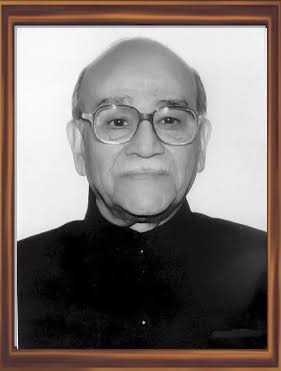
Yusuf Husain Khan was a preeminent intellectual of 20th-century India whose scholarly output spanned centuries of Deccan and Indian history, Indo-Islamic culture, and European literature. As a professor at Osmania University, Pro-Vice-Chancellor of Aligarh Muslim University, and a prolific author, he dedicated his life to education and cultural synthesis. Hailing from a remarkably accomplished family, his work remains a vital touchstone for understanding India’s composite heritage.
2. Quick facts
- Full Name: Yusuf Husain Khan
- Native Name: یوسف حسین خان (Urdu)
- Date of birth: 1902
- Place Of birth: Hyderabad, India
- Nationality: Indian
- Occupation/ Profession: Historian, Educationist, Literary Critic, and Author
- Field of Achievement: History of the Deccan, Urdu/Persian Criticism, and Higher Education
- Years Active: 1930s – 1979
3. Award Information (Focus: Padma Bhushan)
- Award Name: Padma Bhushan
- Award Category: Civil Honour (Third Highest Civilian Award in India)
- Award Year: 1977
- Presented By: President of India
- Date of Ceremony: 1977 (Formal Investiture Ceremony)
- Citation/Official Reason: Recognized for distinguished services and exceptional contributions to literature, education, and historical scholarship.
- Previous Recipients: Eminent scientists, artists, public servants, and scholars from prior civilian honor cycles.
- Next Recipients: Subsequent literary and academic figures honored in later cycles.
4. Why they Receive the award?
Husain received the Padma Bhushan in 1977—followed by the prestigious Sahitya Akademi Award in 1978—because of his lifetime dedication to higher education and his monumental historical and literary texts. His extensive research into the history of the Deccan and his critical analyses linking classical Persian and Urdu poets like Ghalib and Iqbal with broader intellectual currents left a permanent imprint on Indian scholarship.
5. Early Life
Born in Hyderabad in 1902 into a cultured and educated family, Yusuf Husain was part of a remarkable lineage; he was the younger brother of Dr. Zakir Husain, who would go on to become the third President of India. Growing up in an environment that deeply valued learning, ethics, and public service, he completed his early schooling in Etawah, Uttar Pradesh, before embarking on an extensive academic journey across India and Europe.
6. Education
- Schooling: Completed basic education at the high school in Etawah.
- Jamia Millia Islamia, Delhi: Earned his Bachelor of Arts (B.A.) degree in 1926.
- University of Paris (The Sorbonne), France: Pursued advanced doctoral research, successfully earning his Doctor of Letters (D.Litt.) degree in 1930, which gave him a deep mastery of French language, philosophy, and historiography.
7. Carrier Journey
- Lexicography and Translation (1930): Upon returning from Paris, he assisted the legendary linguist Maulvi Abdul Haq in compiling an English-Urdu dictionary and translating scientific terminology into Urdu.
- Professor of History, Osmania University (1930–1957): Served as a faculty member for over two decades, teaching history and shaping the intellectual life of Hyderabad until his retirement as a professor.
- Pro-Vice-Chancellor, Aligarh Muslim University (AMU) (1957–1965): Moved to Aligarh to oversee academic administration during a crucial post-independence phase of institutional growth.
8. Major Achievements
- Landmark Historical Studies: Authored authoritative books on regional and national history, including The First Nizam: The Life and Times of Nizam-ul-Mulk Asaf Jah I (1963), Tarikh-e-Hind (Ahd-e-Halia), and Tarikh-e-Deccan.
- Literary Criticism & Comparative Studies: Published deep critical analyses connecting Eastern and Western traditions, such as Fransisi Adab (analysis of French literature), Rooh-e-Iqbal, and Ghalib aur Ahang-e-Ghalib.
- Sahitya Akademi Recognition: Awarded the Sahitya Akademi Award in 1978 for his profound critical work Hafiz aur Iqbal.
9. Contribution to the nation
Yusuf Husain enriched India’s intellectual fabric by combining rigorous archival historical research with broad humanist literature. As a professor and administrator at Osmania and Aligarh Muslim Universities, he mentored generations of students, promoted the intellectual wealth of regional histories like the Deccan, and helped forge an inclusive national narrative rooted in critical thinking and linguistic pluralism.
10. Other Awards and Honours
- Sahitya Akademi Award (1978): Conferred for his literary critique Hafiz aur Iqbal.
- Padma Bhushan (1977): Conferred by the Government of India for exceptional public and academic service.
- Fellowships and Academic Honors: Recognized widely across Indian and international universities for his command over Arabic, Persian, French, Urdu, English, and Hindi.
11. Legacy and influence
Husain is remembered as a quintessential cosmopolitan scholar who moved effortlessly between medieval Deccan history and modern French literature. His ability to read historical documents in multiple foreign and classical languages allowed him to present objective, multi-layered perspectives on Indian history, setting a standard for academic rigor that continues to guide historians and literary critics.
12. Interesting Facts
- Mastery of Six Languages: He was a true polyglot who mastered Arabic, English, French, Urdu, Hindi, and Persian, allowing him to translate complex European sociological texts (such as Mudabadi-e-Umraniat) into Urdu.
- Distinguished Family Lineage: He was one of seven gifted brothers, most notably sharing a sibling bond with Dr. Zakir Husain, India’s third President.
- European Academic Roots: Earning a D.Litt. from the Sorbonne in 1930 placed him among a very select group of Indian scholars of his era with deep immersion in Western academic philosophy.
13. Quotes
“History is not merely a record of past events, but a continuous dialogue between the ethos of yesterday and the aspirations of tomorrow.” — Yusuf Husain Khan
14. Timeline
- 1902: Born in Hyderabad, India
- 1926: Earns his Bachelor of Arts degree from Jamia Millia Islamia, Delhi
- 1930: Completes his D.Litt. from the University of Paris (Sorbonne) and returns to India; joins Osmania University as a lecturer
- 1957: Retires as a professor from Osmania University and joins Aligarh Muslim University as Pro-Vice-Chancellor
- 1963: Publishes his landmark historical text The First Nizam
- 1965: Concludes his tenure at Aligarh Muslim University
- 1977: Awarded the Padma Bhushan by the Government of India
- 1978: Receives the Sahitya Akademi Award for Hafiz aur Iqbal
- 1979: Passes away, leaving behind a rich legacy of historical and literary scholarship
15. References
- Mohan Lal. The Encyclopaedia of Indian Literature (Volume Five). Sahitya Akademi.
- Khan, Yusuf Husain. The First Nizam: The Life and Times of Nizam-ul-Mulk Asaf Jah I. Asia Publishing House.
- Wikipedia contributors. “Yusuf Husain.” Wikipedia, The Free Encyclopedia.
- Government of India. Padma Awards Directory.
16. Related Personalities
- Dr. Zakir Husain: Third President of India and Yusuf Husain’s elder brother.
- Maulvi Abdul Haq: Renowned Urdu scholar and lexicographer whom Husain assisted upon returning from Paris.
- Mirza Ghalib & Allama Iqbal: Classical poets whose works formed the focal point of Husain’s critical evaluations.
17. Frequently Asked Questions (FAQ)
Q: Who was Yusuf Husain?
A: Yusuf Husain Khan was a prominent Indian historian, educationist, and literary critic who served as a professor at Osmania University and Pro-Vice-Chancellor of Aligarh Muslim University.
Q: What are some of his most famous books?
A: His notable works include The First Nizam: The Life and Times of Nizam-ul-Mulk Asaf Jah I, Tarikh-e-Deccan, and the Sahitya Akademi Award-winning Hafiz aur Iqbal.
Q: Did he receive any major national awards?
A: Yes, he was awarded the Padma Bhushan in 1977 and the Sahitya Akademi Award in 197
About the Author