1. Introduction
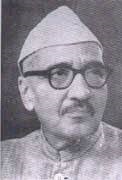
Dr. Yudhvir Singh (1897–1983) was a stalwart Indian freedom fighter, pioneering homeopathic physician, and dedicated political leader. Operating primarily out of Delhi, he bridged the worlds of nationalist politics and public healthcare. As an active member of the Indian National Congress, he spent nearly five years imprisoned during various phases of India’s freedom struggle. Post-independence, he shaped public health and municipal administration in Delhi, leaving an indelible legacy in the institutionalization of homeopathic medicine in India.
2. Quick Facts
- Full Name: Dr. Yudhvir Singh
- Native Name: युधवीर सिंह
- Date of Birth: July 11, 1897
- Place of Birth: Jaipur, Rajasthan, India
- Nationality: Indian
- Occupation/Profession: Freedom Fighter, Politician, and Homeopathic Doctor
- Field of Achievement: Public Health, Homeopathy, and National Independence Movement
- Years Active: 1920 – 1983
3. Award Information (Focus: Padma Bhushan)
- Award Name: Padma Bhushan
- Award Category: Civil Honour (Third-highest civilian award in India)
- Award Year: 1977
- Presented By: Government of India
- Date of Ceremony: 1977 (Annual Investiture Ceremony, Rashtrapati Bhavan)
- Citation/Official Reason: For distinguished service and exceptional contributions to literature, education, medicine, and social work.
- Previous Recipients: Eminent personalities in public affairs, science, and the arts from preceding years.
- Next Recipients: Notable leaders, artists, and medical professionals from subsequent years.
4. Why They Received the Award
Dr. Yudhvir Singh was awarded the Padma Bhushan—following his earlier Padma Shri in 1971—in recognition of his lifelong dedication to public service, his sacrifices during the freedom movement, and his massive contributions to establishing and organizing homeopathic education and charitable healthcare infrastructure in India.
5. Early Life
Born in Jaipur in 1897, Dr. Yudhvir Singh grew up during a period of rising national consciousness. Influenced deeply by the ideals of the Arya Samaj, he engaged early on with social reform and journalism, editing the publication Arya-Kumar. He moved to Agra and Allahabad for his studies before settling down to practice medicine and participate actively in the national movement.
6. Education
- Schooling & Higher Studies: Completed his early education in Jaipur and pursued higher studies in Agra and Allahabad.
- Medical Training: Trained professionally in Homeopathy, starting his independent medical practice in 1920 at the age of 23.
7. Career Journey
- Medical Practice & Philanthropy: Began practicing homeopathy in Delhi in 1920. In 1928, he established a homeopathic free dispensary in Chandni Chowk (later transformed into the Dr. Yudhvir Singh Homoeopathic Trust).
- Political Ascent: Rose through the ranks of the Indian National Congress in Delhi, becoming secretary of the Delhi Pradesh Congress Committee in 1935.
- Municipal & Legislative Roles: Served as a Delhi municipal commissioner from 1937 to 1952. Later elected to the Delhi Legislative Assembly, serving as the Minister for Health, Labour, and Rehabilitation from 1955 to 1956.
8. Major Achievements
- Legislative Milestone: Instrumental in bringing about and passing the Delhi Homeopathic Act of 1956, which legally regularized and gave official standing to homeopathic practitioners.
- Institutional Development: Helped establish Nehru Homoeopathic Medical College and Hospital in Delhi through his charitable trust.
- Public Library Pioneer: Served as a founding member and long-standing President of the governing body of the Delhi Public Library until his death.
9. Contribution to the Nation
Dr. Singh fought fiercely for India’s independence, participating directly in the civil disobedience movements of 1932, 1941, and the Quit India Movement of 1942, enduring a total of nearly five years of imprisonment alongside his wife, Rani Raj. Nationally, he transformed affordable healthcare by setting up numerous charitable dispensaries for society’s marginalized segments and institutionalizing alternative medicine systems.
10. Other Awards and Honours
- Padma Shri (1971) – Conferred by the Government of India
- Presidenthips: Headed the All-India Homoeopathic Medical Association, Delhi Homoeopathic Board, and served on the Central Council of Homeopathy.
- Social Welfare Roles: Acted as President of the Delhi Nashabandi Samiti and Chairman of the Delhi branch of Hind Kusht Nivaran Sangh (leprosy foundation).
11. Legacy and Influence
Dr. Yudhvir Singh is remembered as a pillar of Gandhian values, social reform, and holistic medicine in the capital. The charitable trust and medical institutions he built continue to serve thousands of patients, and his efforts in mainstreaming homeopathy left an enduring blueprint for alternative medicine policies across independent India.
12. Interesting Facts
- Decades of Free Service: His charitable trust grew to manage multiple dispensaries explicitly targeted at economically disadvantaged neighborhoods in Delhi.
- Literary Contribution: He regularly wrote informative columns on homeopathic remedies and healthcare awareness in prominent newspapers.
- Family Sacrifice: Both Dr. Singh and his wife were jailed by the British administration for their active participation in the freedom struggle.
13. Quotes
“True service to the nation lies in uplifting the poorest of the poor and making healthcare a fundamental right, not a privilege.”
14. Timeline
- 1897: Born on July 11 in Jaipur, Rajasthan
- 1920: Began homeopathic practice and joined the freedom movement
- 1928: Set up the first homeopathic free dispensary in Chandni Chowk
- 1935: Appointed Secretary of the Delhi Pradesh Congress Committee
- 1942: Imprisoned during the Quit India Movement
- 1955–1956: Served as Health and Labour Minister of Delhi State
- 1956: The Delhi Homeopathic Act enacted under his administration
- 1971: Awarded the Padma Shri
- 1977: Conferred the Padma Bhushan
- 1983: Passed away on June 18 in New Delhi
15. References
- Wikipedia contributors. Yudhvir Singh. Wikipedia, The Free Encyclopedia.
- Homéopathe International & Dilli Homoeopathic Anusandhan Parishad – Dr. Yudhvir Singh Biographical Archives.
- Delhi Homoeopathic Medical Association (DHMA) – Founder Profile: Dr. Yudhvir Singh.
- Ministry of Home Affairs, Government of India – Padma Awards Directory.
16. Related Personalities
- Mahatma Gandhi – Leader of the Indian independence movement whose philosophy guided Dr. Singh’s public life.
- Lal Bahadur Shastri – Prime Minister of India who inaugurated key expansions of Dr. Singh’s medical institutions.
- Rani Raj – Freedom fighter and wife of Dr. Yudhvir Singh.
17. Frequently Asked Questions (FAQ)
Q: Who was Dr. Yudhvir Singh?
A: Dr. Yudhvir Singh was an eminent Indian freedom fighter, political leader, and pioneering homeopathic doctor who helped institutionalize homeopathy in Delhi.
Q: What major awards did Dr. Yudhvir Singh receive?
A: He received the Padma Shri in 1971 and the Padma Bhushan in 1977 from the Government of India.
Q: What was his contribution to healthcare?
A: He established charitable homeopathic dispensaries for the poor, founded medical education frameworks like the Nehru Homoeopathic Medical College, and championed the Delhi Homeopathic Act of 1956.
Q: When did he pass away?
A: He passed away on June 18, 1983, in New Delhi.
About the Author