1. Introduction
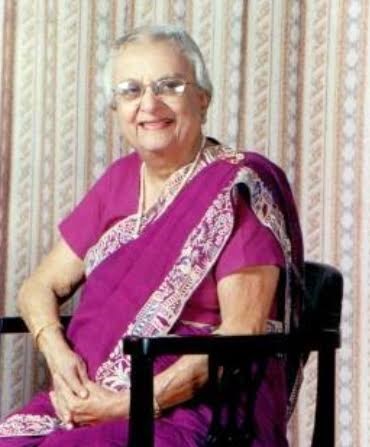
Avabai Bomanji Wadia (1913–2005) was a pioneering Ceylonese-born Indian social worker, lawyer, writer, and global champion of women’s rights and reproductive health. As the founder of the Family Planning Association of India (FPAI) and a co-founder of the International Planned Parenthood Federation (IPPF), she played a foundational role in making India the first country in the world to adopt a national, government-sponsored family planning program. Blending a razor-sharp legal intellect with profound social empathy, she dedicated her life to liberating women from the traps of biological compulsion and poverty.
2. Quick Facts
- Full Name: Avabai Bomanji Wadia (née Mehta)
- Native Name: அவாபாய் வடியா
- Date of Birth: September 18, 1913
- Place of Birth: Colombo, British Ceylon (now Sri Lanka)
- Nationality: Indian (Ceylonese-born)
- Occupation/Profession: Lawyer, Barrister, Social Worker, Author, and Activist
- Field of Achievement: Reproductive Rights, Women’s Welfare, and Public Health
- Years Active: 1932 – 2005
3. Award Information (Focus: Padma Shri)
- Award Name: Padma Shri
- Award Category: Civil Honour (Fourth-highest civilian award in India)
- Award Year: 1971
- Presented By: Government of India (Presented by President V. V. Giri)
- Date of Ceremony: 1971 (Annual Investiture Ceremony, Rashtrapati Bhavan, New Delhi)
- Citation/Official Reason: For distinguished and exceptional contributions to social work, women’s welfare, and public health pioneering in India.
- Previous Recipients: Notable social workers and public figures from preceding years.
- Next Recipients: Notable public figures from subsequent years.
4. Why They Receive the Award
Avabai Bomanji Wadia received the Padma Shri in 1971 in recognition of her monumental grassroots and structural efforts in establishing family planning as a cornerstone of national development. Through her relentless advocacy, she helped destigmatize reproductive healthcare, bringing maternal health and contraception to millions of marginalized women across India.
5. Early Life
Born in Colombo into an affluent, progressive Parsi family with ancestral roots in Gujarat, Avabai grew up in a supportive environment that encouraged education and independence. Her father, Dorabji Muncherji Mehta, was a high-ranking shipping official, and her mother, Pirojbai, instilled in her a strong sense of civic consciousness. In her youth in London, she rubbed shoulders with figures of the Indian independence movement, including Mahatma Gandhi, Jawaharlal Nehru, and Sarojini Naidu, developing a deep passion for social justice and anti-colonial nationalism.
6. Education
- Schooling: Initial schooling in Colombo; later moved to London in 1928 to attend Brondesbury and Kilburn High School.
- Legal Training: Entered the Inns of Court (Lincoln’s Inn) in London at age 19.
- Historic Milestone: Qualified as a barrister in 1934, passing her bar examinations with honors to become the first woman from Ceylon to achieve this distinction. She practiced at the High Court of Justice in London.
7. Career Journey
- Legal Practice & Early Activism: Practiced law briefly in London and Colombo while heavily involved in the women’s suffrage movement and anti-imperialist groups.
- Founding the FPAI (1949): Settling permanently in Bombay (Mumbai) after 1941, she joined the All India Women’s Conference (AIWC) and founded the Family Planning Association of India (FPAI) in 1949, serving as its president for 34 years.
- Global Leadership: Instrumental in organizing the Third International Conference on Planned Parenthood in Bombay in 1952, which led to the creation of the International Planned Parenthood Federation (IPPF). She later served two terms as global president of the IPPF (1983–1989).
8. Major Achievements
- Policy Integration: Successfully lobbied Prime Minister Jawaharlal Nehru to include family planning as an official objective in India’s First Five-Year Plan (launched in 1951), making India a global pioneer.
- Global Accolades: Guided IPPF to receive prestigious international honors, including the UN Population Award (1985) and the Third World Prize (1987).
- Judicial and Social Roles: Appointed a Justice of the Peace (1957) and a Juvenile Court Magistrate (1958) in Bombay.
9. Contribution to the Nation
Avabai Wadia transformed public health and demographic planning in post-independence India. By reframing family planning not merely as a population control metric, but as an essential element of women’s health, human rights, and child welfare, she empowered millions of women to take control of their lives. Her structural frameworks helped build thousands of clinical and educational outreach programs across rural and urban India.
10. Other Awards and Honours
- Padma Shri (1971) – Conferred by the Government of India
- Doctor of Law (Honoris Causa) – Conferred by Sri Venkateswara University, Tirupati
- President Emeritus – Family Planning Association of India (FPAI)
- Global Patron – International Planned Parenthood Federation (IPPF)
11. Legacy and Influence
Avabai Wadia is remembered as a quiet revolutionary who combined rigorous administrative acumen with unyielding humanitarian resolve. Long before gender mainstreaming became common development vocabulary, she understood that national progress is inextricably linked to female bodily autonomy and reproductive health. Her memoirs, The Light is Ours: Memoirs & Movements (2001), remain a vital archive of twentieth-century transnational feminism.
12. Interesting Facts
- Trailblazing Teenager: At just 19 years old, her successful qualification as a barrister in London made international news headlines and forced the Ceylonese government to open legal education and practice to women.
- The Nehru Connection: She shared a close working rapport with India’s first Prime Minister, Jawaharlal Nehru, whose personal backing was vital in helping her push through early public-sector support for birth control clinics.
- Lifelong Commitment: She stayed actively involved with the FPAI from its inception in 1949 until her passing in 2005, functioning as its guiding light for over half a century.
13. Quotes
“Family planning is a fundamental human right. It is a means of helping women to get out of the trap of biological compulsion and of societal pressures that ruin their health and impoverish families.”
14. Timeline
- 1913: Born on September 18 in Colombo, British Ceylon
- 1934: Passes bar exams with honors at the Inns of Court, London
- 1941: Moves permanently to India, settling in Bombay
- 1949: Founds the Family Planning Association of India (FPAI)
- 1952: Helps establish the International Planned Parenthood Federation (IPPF)
- 1971: Awarded the Padma Shri by the Government of India
- 1983–1989: Serves two terms as the international president of the IPPF
- 2001: Publishes her autobiographical work, The Light is Ours: Memoirs & Movements
- 2005: Passes away on July 11 at the age of 91
15. References
- Wikipedia contributors. Avabai Bomanji Wadia. Wikipedia, The Free Encyclopedia.
- Wadia, Avabai Bomanji. The Light is Ours: Memoirs & Movements. International Planned Parenthood Federation, 2001.
- The Guardian – Obituary: Avabai Wadia (August 2005).
- Zoroastrians.net / BBC Archives – Avabai Wadia: The lawyer who became India’s family planning pioneer.
16. Related Personalities
- Dhanvanthi Rama Rau – Legendary Indian women’s rights activist and co-pioneer of the family planning movement alongside Wadia.
- Margaret Sanger – American birth control activist and founder of the international planned parenthood movement who closely collaborated with Wadia.
- Jawaharlal Nehru – First Prime Minister of India whose administrative support enabled Wadia’s family planning initiatives.
17. Frequently Asked Questions (FAQ)
Q: Who was Avabai Bomanji Wadia?
A: Avabai Bomanji Wadia was a pioneering lawyer and social worker who founded the Family Planning Association of India and helped lead the global reproductive rights movement.
Q: What is her primary historic achievement?
A: She is credited with lobbying the Indian government to make India the first nation in the world to adopt a national, official family planning program in the early 1950s.
Q: Did Avabai Wadia receive any national awards?
A: Yes, she was honored by the Government of India with the Padma Shri in 1971.
Q: Was she originally from India?
A: She was born into a Parsi family in Colombo, British Ceylon (now Sri Lanka), before moving permanently to India in 1941.
About the Author