1. Introduction
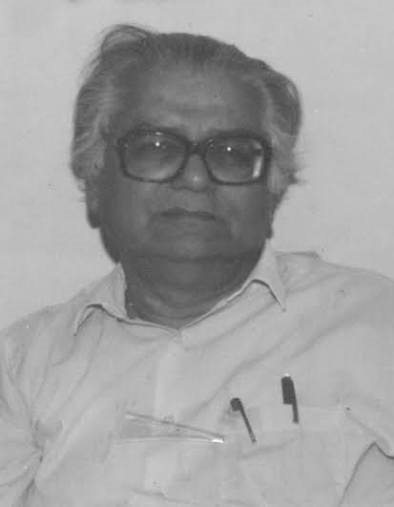
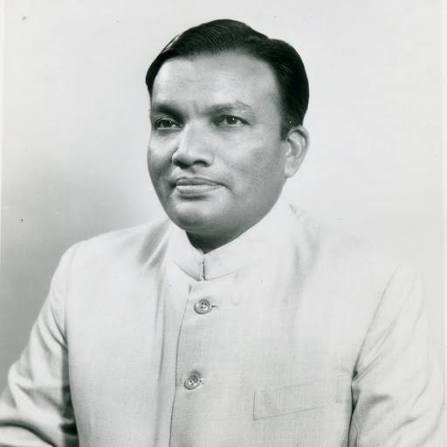
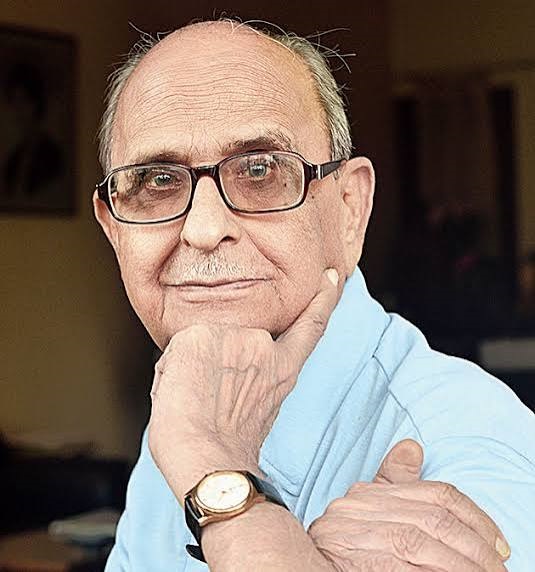
Vijay Tendulkar was one of the most influential Marathi playwrights and writers of modern India. Born on 6 January 1928, he worked as a playwright, screenwriter, journalist, essayist and social commentator. His writing frequently examined difficult subjects such as social inequality, violence, power, gender relations, political corruption and the darker sides of human behaviour.
Tendulkar became particularly well known for plays such as Shantata! Court Chalu Aahe, Sakharam Binder, Ghashiram Kotwal, Gidhade and Kamala. His works challenged conventional ideas about theatre and often generated intense public discussion.
His influence extended beyond Marathi theatre. He wrote screenplays for important Indian films, including Manthan, Nishant, Aakrosh and Ardh Satya. The Government of India honoured him with the Padma Bhushan in 1984, while the Sangeet Natak Akademi awarded him its Fellowship in 1998.
2. Quick Facts About Vijay Tendulkar
| Detail | Information |
|---|---|
| Full Name | Vijay Dhondopant Tendulkar |
| Native Name | विजय धोंडोपंत तेंडुलकर |
| Date of Birth | 6 January 1928 |
| Place of Birth | Mumbai, Maharashtra, India* |
| Nationality | Indian |
| Profession | Playwright, screenwriter, journalist, essayist and social commentator |
| Field of Achievement | Marathi theatre, Indian literature, cinema and journalism |
| Years Active | More than five decades |
| Date of Death | 19 May 2008 |
| Place of Death | Pune, Maharashtra, India |
*Some secondary sources give different birth-place details, including Kolhapur. Biographical sources commonly identify Girgaon, Mumbai, as his birthplace, where his father worked and operated a small publishing business.
3. Award Information
For a blog focused on Vijay Tendulkar, his Padma Bhushan is one of the most significant national honours to highlight.
Padma Bhushan
| Award Detail | Information |
|---|---|
| Award Name | Padma Bhushan |
| Award Category | Arts |
| Award Year | 1984 |
| Presented By | Government of India / President of India |
| Reason | Recognition of his distinguished contribution to literature and the arts |
| Field | Arts |
| Recipient | Vijay Tendulkar |
The Padma Awards recognize distinguished and exceptional achievements in various fields, including arts, literature and education. Padma Bhushan is the second of the three Padma award categories, after Padma Vibhushan and before Padma Shri.
Tendulkar was also honoured with the Sangeet Natak Akademi Award in 1970 and the Sangeet Natak Akademi Fellowship in 1998, the latter being the Akademi’s highest honour for lifetime contribution.
Other major award milestones
- 1970 – Sangeet Natak Akademi Award
- 1970 – Kamaladevi Chattopadhyay Award
- 1977 – National Film Award for Best Screenplay for Manthan
- 1981 – Filmfare Best Screenplay Award for Aakrosh
- 1981 – Filmfare Best Story Award for Aakrosh
- 1983 – Filmfare Best Screenplay Award for Ardh Satya
- 1984 – Padma Bhushan
- 1993 – Saraswati Samman for Kanyadaan
- 1998 – Sangeet Natak Akademi Fellowship
- 1999 – Maharashtra Gaurav Puraskar
- 1999 – Kalidas Samman
- 2001 – Katha Chudamani Award
- 2006 – The Little Magazine SALAM Award
The Saraswati Samman in 1993 was awarded to Tendulkar for his Marathi play Kanyadaan.
4. Why Did Vijay Tendulkar Receive the Padma Bhushan?
Vijay Tendulkar received the Padma Bhushan in 1984 in recognition of his contribution to the arts and literature.
His importance came from more than simply writing plays. Tendulkar helped reshape modern Marathi theatre by bringing difficult contemporary subjects onto the stage. His works examined questions surrounding social power, violence, gender inequality, political authority and human relationships.
His plays also influenced Indian theatre beyond Maharashtra through translations and productions in other languages. His contribution to cinema further expanded his influence. He wrote screenplays for films dealing with social and political issues, including Nishant, Aakrosh and Ardh Satya.
5. Early Life
Vijay Dhondopant Tendulkar was born on 6 January 1928. He grew up in a literary environment. His father worked as a clerk and was also associated with a small publishing business, giving young Vijay early exposure to books and writing.
Tendulkar reportedly wrote his first story at the age of six. As a young boy, he watched Western plays and became interested in theatre. By the age of 11, he had written, directed and acted in his own play.
His adolescence was also influenced by the Indian independence movement. At about 14, he participated in the 1942 Quit India Movement and left his formal studies for a period.
These early experiences helped shape his interest in social issues, politics, literature and theatre.
6. Education
Tendulkar’s formal education was interrupted when he became involved in the freedom movement during his teenage years.
Rather than following a conventional academic career, he developed his knowledge through reading, journalism, theatre and practical experience. His early exposure to books and publishing played an important role in his intellectual development.
His career demonstrates that literary education can also develop through sustained reading, writing, observation and engagement with society.
7. Career Journey
Vijay Tendulkar’s professional journey extended across several areas.
Journalism
He began his professional life working with newspapers and journalism. This experience gave him close exposure to politics, society and everyday human behaviour.
Theatre
Theatre eventually became his most important creative field. His plays addressed social issues that were often uncomfortable for audiences.
His major works included:
- Shantata! Court Chalu Aahe
- Sakharam Binder
- Gidhade
- Ghashiram Kotwal
- Kamala
- Mitrachi Goshta
Educational sources describe Tendulkar as a prolific playwright whose work included dozens of full-length and one-act plays.
Cinema
Tendulkar also became an important screenwriter in Indian parallel and art cinema.
He contributed to films including:
- Manthan
- Nishant
- Aakrosh
- Ardh Satya
- Umbartha
- Sinhasan
- Aghaat
His screenplay for Manthan won the National Film Award for Best Screenplay in 1977.
8. Major Achievements
Some of Vijay Tendulkar’s major achievements include:
1. Transforming Marathi theatre
Tendulkar helped introduce new themes and dramatic approaches into Marathi theatre. His writing moved beyond conventional entertainment and examined contemporary social realities.
2. Writing influential plays
Shantata! Court Chalu Aahe, Sakharam Binder and Ghashiram Kotwal became some of the best-known works associated with modern Marathi theatre.
3. Contribution to Indian cinema
He wrote screenplays for several influential films and collaborated with major filmmakers, including Shyam Benegal and Govind Nihalani.
4. Winning the National Film Award
His screenplay for Manthan received the National Film Award for Best Screenplay in 1977.
5. Receiving the Padma Bhushan
The Government of India awarded him the Padma Bhushan in 1984.
6. Receiving the Sangeet Natak Akademi Fellowship
In 1998, he received the Sangeet Natak Akademi Fellowship, described as the Akademi’s highest honour for lifetime contribution.
9. Contribution to the Nation
Vijay Tendulkar’s contribution to India was primarily through literature, theatre and cinema.
He used drama as a means of examining social realities. His plays frequently explored issues such as:
- Social inequality
- Violence
- Women’s position in society
- Political power
- Exploitation
- Caste and social hierarchy
- Human relationships
- Abuse of authority
- Moral contradictions
The former Prime Minister’s Office described Tendulkar as one of the architects of modern Marathi theatre and noted his contribution to modernism and social realism in Indian theatre.
His works also travelled beyond Marathi-speaking audiences through translations and performances in other Indian languages.
10. Other Awards and Honours
Some of Tendulkar’s important honours include:
| Year | Award / Honour |
|---|---|
| 1970 | Sangeet Natak Akademi Award |
| 1970 | Kamaladevi Chattopadhyay Award |
| 1977 | National Film Award – Best Screenplay for Manthan |
| 1981 | Filmfare Best Story – Aakrosh |
| 1981 | Filmfare Best Screenplay – Aakrosh |
| 1983 | Filmfare Best Screenplay – Ardh Satya |
| 1984 | Padma Bhushan |
| 1993 | Saraswati Samman – Kanyadaan |
| 1998 | Sangeet Natak Akademi Fellowship |
| 1999 | Maharashtra Gaurav Puraskar |
| 1999 | Kalidas Samman |
| 2001 | Katha Chudamani Award |
| 2006 | The Little Magazine SALAM Award |
These awards reflect the breadth of his career across theatre, literature and cinema.
11. Legacy and Influence
Vijay Tendulkar left a lasting mark on Indian theatre.
His plays were notable for their willingness to deal with uncomfortable realities rather than presenting idealized characters or simple moral conclusions. His writing often placed ordinary people in situations where power, desire, violence and social expectations came into conflict.
His influence can be seen in:
- Modern Marathi theatre
- Indian experimental theatre
- Screenwriting
- Socially conscious drama
- Theatre education
- Translations of Marathi literature
- Indian parallel cinema
The Government of India’s condolence message following his death described his plays as powerful commentaries that continued to resonate with audiences.
12. Interesting Facts About Vijay Tendulkar
- He began writing very young. He reportedly wrote his first story when he was only six.
- He wrote his first play at 11. He also directed and acted in it.
- He was involved in the freedom movement. As a teenager, he participated in the 1942 movement.
- He worked as a journalist. Journalism influenced his understanding of contemporary society and politics.
- He wrote for both theatre and cinema. His career crossed the boundaries between literature, stage drama and film.
- His plays could be controversial. Works such as Sakharam Binder and Ghashiram Kotwal generated strong public debate.
- He worked with important filmmakers. His screenwriting contributed to India’s parallel/art-film movement.
- He won a National Film Award. His screenplay for Manthan received the National Film Award for Best Screenplay in 1977.
- He received the Padma Bhushan. The Government of India honoured him in 1984.
- His influence continued after his death. His plays continue to be studied, translated and staged.
13. Quotes
For a blog, it is safer to use short, verifiable quotations rather than attributing popular internet quotes to Tendulkar without a primary source.
One documented statement associated with Tendulkar’s views on cultural freedom is:
“Culture needs to be nourished by patronage.”
This statement was made in connection with his receiving the Kalidas Samman and was reproduced in educational material discussing his theatre and cultural views.
For additional quotations, I recommend checking the original interviews, books or published transcripts before presenting them as direct quotations.
14. Timeline of Vijay Tendulkar’s Life
| Year | Event |
|---|---|
| 1928 | Born on 6 January |
| 1930s | Began writing at a very young age |
| c. 1939 | Wrote, directed and acted in an early play |
| 1942 | Participated in the Indian freedom movement as a teenager |
| 1950s | Developed his career in journalism and theatre |
| 1960s | Established himself as an important Marathi playwright |
| 1963 | Wrote Shantata! Court Chalu Aahe |
| 1967 | Shantata! Court Chalu Aahe was performed |
| 1970 | Received the Sangeet Natak Akademi Award |
| 1972 | Ghashiram Kotwal and Sakharam Binder became major works |
| 1977 | Won National Film Award for Best Screenplay for Manthan |
| 1984 | Received the Padma Bhushan |
| 1993 | Received Saraswati Samman for Kanyadaan |
| 1998 | Received Sangeet Natak Akademi Fellowship |
| 1999 | Received Maharashtra Gaurav Puraskar |
| 2008 | Died on 19 May in Pune |
The dates of major works and awards are supported by biographical and educational sources.
15. References
For a blog, these are useful sources to cite:
- Government of India – Padma Awards — information about Padma Awards and their categories.
- Prime Minister’s Office Archives — condolence message following Tendulkar’s death and description of his contribution to Indian theatre.
- Sahitya Akademi — official information about the Sahitya Akademi Award.
- INFLIBNET / e-PG Pathshala — academic discussion of Tendulkar’s theatre and works.
- University of Uttarakhand educational material — discussion of Tendulkar’s career, plays and honours.
16. Related Personalities
Readers interested in Vijay Tendulkar may also want to explore:
- Girish Karnad – Indian playwright and actor
- Badal Sircar – Bengali playwright and theatre practitioner
- Mohan Rakesh – Hindi playwright and writer
- Habib Tanvir – Indian theatre director and playwright
- Shyam Benegal – Indian filmmaker who worked with Tendulkar
- Govind Nihalani – filmmaker associated with Indian parallel cinema
- Jabbar Patel – Marathi theatre and film director associated with Tendulkar’s works
- Mahesh Elkunchwar – influential Marathi playwright
These personalities provide useful context for understanding the development of modern Indian and experimental theatre.
17. Frequently Asked Questions (FAQ)
Who was Vijay Tendulkar?
Vijay Tendulkar was an Indian playwright, screenwriter, journalist, essayist and social commentator, best known for his contribution to modern Marathi theatre.
When was Vijay Tendulkar born?
He was born on 6 January 1928.
When did Vijay Tendulkar die?
He died on 19 May 2008 in Pune, Maharashtra.
What is Vijay Tendulkar famous for?
He is particularly famous for plays such as Shantata! Court Chalu Aahe, Sakharam Binder and Ghashiram Kotwal.
Which award did Vijay Tendulkar receive in 1984?
He received the Padma Bhushan in 1984.
Which film won Vijay Tendulkar the National Film Award?
He won the National Film Award for Best Screenplay for Manthan in 1977.
Which work won him the Saraswati Samman?
His Marathi play Kanyadaan received the Saraswati Samman in 1993.
What was Vijay Tendulkar’s contribution to Indian theatre?
He introduced socially challenging and unconventional themes into Marathi theatre and helped influence modern Indian theatre more broadly.
What are Vijay Tendulkar’s most famous plays?
Among his best-known plays are Shantata! Court Chalu Aahe, Sakharam Binder, Ghashiram Kotwal, Gidhade and Kamala.
Did Vijay Tendulkar work in films?
Yes. He wrote screenplays for several notable films, including Manthan, Nishant, Aakrosh and Ardh Satya.
Why is Vijay Tendulkar remembered today?
He is remembered for changing the possibilities of modern Marathi theatre and for using drama and cinema to examine difficult social and political questions.
Suggested blog title
Vijay Tendulkar: Biography, Early Life, Career, Awards, Major Works, Legacy and Interesting Facts
Suggested SEO description
Explore the life and legacy of Vijay Tendulkar, the renowned Marathi playwright. Learn about his early life, education, career, famous plays, Padma Bhushan, major awards, contribution to Indian theatre, interesting facts and timeline.
Important: For publication, I would avoid stating an exact Padma Bhushan ceremony date unless you have a primary government record confirming it. The sources I found reliably establish the 1984 award and Arts category, but not a ceremony date I would be comfortable presenting as verified.
About the Author