

Introduction
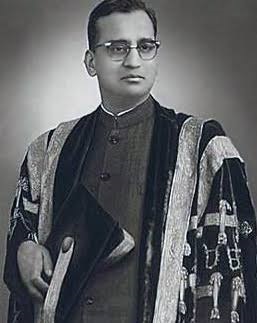
V. K. R. V. Rao (Vijayendra Kasturi Ranga Varadaraja Rao) was one of India’s most distinguished economists, educationists, and institution builders. He made pioneering contributions to economics, higher education, and national planning in post-independence India. As a renowned academic, government minister, and founder of major educational institutions, he played a key role in shaping India’s economic policies and educational landscape. In recognition of his exceptional service to the nation, he was awarded the prestigious Padma Vibhushan in 1974.
Early Life
V. K. R. V. Rao was born into a scholarly South Indian family that emphasized education and intellectual development. From an early age, he displayed exceptional academic ability and developed a keen interest in economics, public policy, and social development.
His passion for understanding India’s economic challenges inspired him to pursue higher education in economics, laying the foundation for a remarkable career.
Birth Date and Death
- Full Name: Vijayendra Kasturi Ranga Varadaraja Rao
- Date of Birth: 8 July 1908
- Place of Birth: Kanchipuram, Tamil Nadu, India
- Date of Death: 25 July 1991
- Age at Death: 83 years
Education and Career
V. K. R. V. Rao completed his higher education in economics at the University of Madras before pursuing advanced studies at University of Cambridge, where he specialized in economics.
After returning to India, he began an illustrious academic career and later entered public service. He became one of the country’s leading economists and played an important role in establishing institutions dedicated to economic research and higher education.
His career included several prestigious positions:
- Professor of Economics
- Founder of the Delhi School of Economics
- Vice-Chancellor of the University of Delhi
- Director of the Institute of Economic Growth
- Member of the Planning Commission
- Union Minister for Transport and Shipping
- Union Minister for Education and Youth Services
Career and Achievements
V. K. R. V. Rao made lasting contributions to economics, education, and public policy.
Some of his major achievements include:
- Founded the Delhi School of Economics, which became one of India’s premier institutions for economics and social sciences.
- Established the Institute of Economic Growth (IEG) to promote advanced research in economics and public policy.
- Made pioneering contributions to the estimation of India’s national income.
- Helped shape India’s economic planning and development policies after Independence.
- Served as Union Minister and promoted educational reforms.
- Published numerous books and research papers on economics and development.
His work significantly advanced economic research and higher education in India.
Why Did He Receive the Padma Vibhushan Award?
V. K. R. V. Rao received the Padma Vibhushan in 1974 for his exceptional contributions to Literature & Education, particularly in the fields of economics, higher education, and public administration.
The Government of India honored him because:
- He made pioneering contributions to economic research.
- He founded world-class educational and research institutions.
- He strengthened higher education in India.
- He contributed significantly to national economic planning and public policy.
- He devoted his life to education, research, and nation-building.
His leadership helped shape India’s intellectual and economic development.
Field of Achievement
V. K. R. V. Rao excelled in several fields, including:
- Economics
- Higher Education
- Public Administration
- Economic Planning
- Research
- Public Policy
He is widely regarded as one of India’s greatest economists and educationists.
Awards and Honours
V. K. R. V. Rao received several prestigious honours during his lifetime, including:
- Padma Vibhushan (1974)
- National recognition as one of India’s leading economists
- Honorary doctorates from several universities
- Recognition for founding and strengthening premier educational institutions
His academic leadership and public service earned him widespread respect in India and abroad.
Interesting Facts
- His full name was Vijayendra Kasturi Ranga Varadaraja Rao.
- He was one of the pioneers in estimating India’s national income.
- He founded the Delhi School of Economics, which has produced many distinguished economists, policymakers, and civil servants.
- He served both as a renowned academic and a Union Cabinet Minister.
- He believed that education and economic development were essential for reducing poverty and promoting social progress.
- He played a key role in building India’s research infrastructure in economics and social sciences.
Legacy and Inspiration
V. K. R. V. Rao’s legacy continues through the institutions he established and the ideas he championed. The Delhi School of Economics and the Institute of Economic Growth remain among India’s leading centers for teaching and research.
He continues to inspire:
- Economists
- Students
- Researchers
- Teachers
- Policymakers
- Public administrators
His lifelong commitment to education, research, and national development serves as a model for future generations.
Contribution to the Nation
V. K. R. V. Rao made invaluable contributions to India’s development through education, research, and public service.
His contributions include:
- Establishing premier institutions for economics and social science education.
- Advancing research on India’s economy and national income.
- Supporting evidence-based economic planning.
- Promoting educational reforms as Union Education Minister.
- Strengthening India’s intellectual and academic foundations.
His work helped prepare generations of scholars and policymakers who have contributed to India’s progress.
Conclusion
V. K. R. V. Rao was one of India’s foremost economists, educationists, and institution builders. His pioneering work in economic research, higher education, and public administration had a profound impact on the nation’s development. Awarded the Padma Vibhushan in 1974, he is remembered for his vision, scholarship, and dedication to public service. His enduring legacy continues to inspire economists, educators, and policymakers, making him a towering figure in India’s intellectual and educational history.
About the Author




