1. Introduction
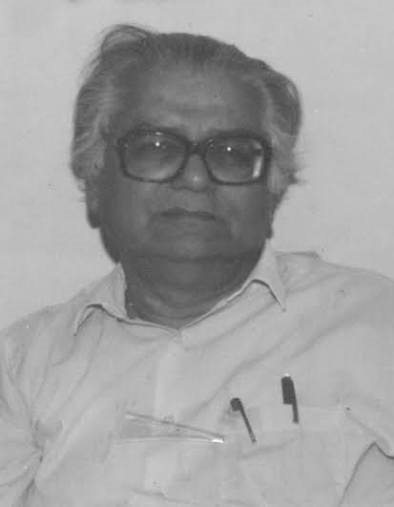
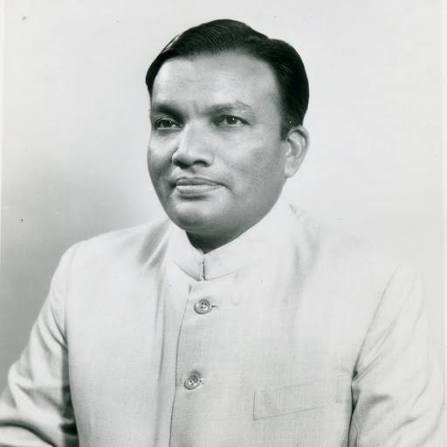
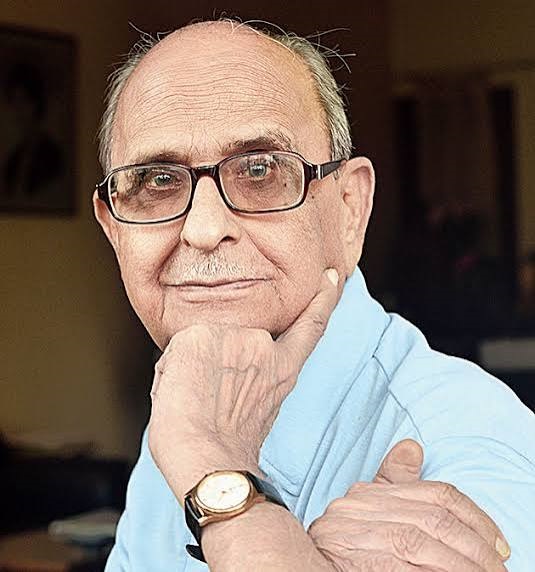
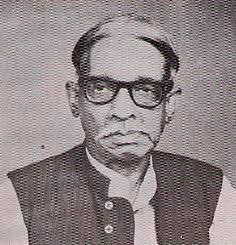
Ustad Khadim Hussain Khan (1907–1993) was one of the most revered Hindustani classical vocalists and master teachers of the 20th century. As a prominent torchbearer of the Agra-Atrauli gharana, he was celebrated not only for his profound mastery of complex musical structures (layakari) but also as a prolific composer who wrote under the pen name “Sajan Piya”. His life was dedicated to preserving the pristine purity of 19th-century classical traditions and passing them down to generations of disciples.
2. Quick Facts
- Full Name: Khadim Hussain Khan
- Native Name: خادم حسین خان (Urdu)
- Date of Birth: 1907
- Place of Birth: Atrauli, United Provinces of Agra and Oudh, British India (now Uttar Pradesh, India)
- Nationality: Indian
- Occupation/Profession: Hindustani Classical Vocalist, Music Composer, and Guru
- Field of Achievement: Indian Classical Music (Vocal – Agra Gharana)
- Years Active: 1920s – 1990
3. Award Information (Focus: Padma Bhushan)
- Award Name: Padma Bhushan
- Award Category: India’s Third-Highest Civilian Award
- Award Year: 1982
- Presented By: The President of India (at Rashtrapati Bhavan, New Delhi)
- Date of Ceremony: Spring 1982
- Citation/Official Reason: For his distinguished service, extraordinary artistry, and lifelong contribution to the enrichment of Indian classical music as a performer and teacher.
- Previous Recipients (Contextual): Prominent artists, scholars, and national luminaries of the era.
- Next Recipients: Subsequent annual batches of Padma honorees.
4. Why Did He Receive the Award?
Ustad Khadim Hussain Khan was awarded the Padma Bhushan in recognition of his lifetime devotion to Hindustani classical music. He was honored for keeping the rare, robust traditions of the Agra gharana alive, his exceptional body of musical compositions, and his selfless commitment to teaching and shaping the careers of numerous elite classical musicians.
5. Early Life
Born in Atrauli in 1907 into a celebrated musical family, Khadim Hussain Khan was immersed in music from birth. His father, Altaf Hussain Khan, and grand-uncle, Ustad Kallan Khan, were royal court musicians in the Jaipur Kingdom. Growing up under their strict supervision, he underwent rigorous traditional training (taalim), often practicing for over 12 hours a day for more than a decade to master the intricacies of vocal dynamics.
6. Education
- Traditional Gurukul Training: Received intensive, uninterrupted training under his father Altaf Hussain Khan and grand-uncle Ustad Kallan Khan.
- Musical Apprenticeship: Imbibed the authentic 19th-century stylistic nuances directly from legendary masters of both the Agra and Atrauli traditions, making him a living encyclopaedia of rare ragas and compositions.
7. Career Journey
- Relocation to Bombay (Late 1920s): Moved to Bombay (Mumbai), which became his lifelong base and the epicenter of his performing and teaching career.
- All India Radio (AIR): Associated with AIR as a premier classical broadcaster from its earliest days.
- Guru and Mentor: Transitioned into a full-time mission of vidya daan (sharing knowledge), running an open-house style of teaching in Mumbai that nurtured generations of performers.
8. Major Achievements
- The “Sajan Piya” Compositions: Composed hundreds of exquisite bandishes and taranas under the pen name “Sajan Piya,” covering both popular and rare (aprachalit) ragas that are widely sung by modern Agra gharana artists.
- Preserving Agra-Atrauli Fusion: Acted as a vital bridge merging the distinctive stylistic elements of the Agra and Atrauli gharanas into a unified, robust musical identity.
- Distinguished Disciples: Mentored a legendary line of students, including his younger brother Ustad Latafat Hussain Khan, Lalith J. Rao, Babanrao Haldankar, and Saguna Kalyanpur.
9. Contribution to the Nation
Ustad Khadim Hussain Khan safeguarded an invaluable part of India’s intangible cultural heritage. Through his compositions and relentless teaching standard, he ensured that the complex, weighty aesthetics of Agra gharana gayaki did not fade into obscurity. His students went on to populate national and international academic platforms, propagating authentic Indian classical music worldwide.
10. Other Awards and Honours
- Maharashtra State Award (1978)
- Sangeet Natak Akademi Award (1978)
- Padma Bhushan (1982)
- Tansen Samman by the Government of Madhya Pradesh (1986)
- ITC Sangeet Research Academy Award for lifetime achievement in classical music.
11. Legacy and Influence
Referred to by peers as a “musician’s musician,” Ustad Khadim Hussain Khan’s influence persists through the trust “Sajan Milap,” established by his disciples in the 1970s to preserve his vast collection of compositions. His emphasis on structural purity, deep command over rhythm (layakari), and adherence to traditional aesthetics continue to serve as a gold standard for vocalists.
12. Interesting Facts
- The Pen Name: He composed under the nom-de-plume “Sajan Piya,” which became synonymous with his musical signature across hundreds of bandishes.
- Strict Traditionalist: He was known for his uncompromising stance on raga grammar, making sure his students never compromised structural integrity for cheap popular appeal.
13. Quotes
“A raga has a soul of its own; as a custodian, your job is to reveal it truthfully, not to distort it for applause.” — Ustad Khadim Hussain Khan (Traditional teaching ethos)
14. Timeline
- 1907: Born in Atrauli, United Provinces.
- Late 1920s: Settled in Bombay to begin his active performance and teaching career.
- 1978: Received both the Sangeet Natak Akademi Award and the Maharashtra State Award.
- 1982: Conferred the Padma Bhushan by the Government of India.
- 1986: Awarded the prestigious Tansen Samman by the Madhya Pradesh government.
- 1993: Passed away on January 11 at the age of 86.
15. References
- Wikipedia contributors. Khadim Hussain Khan. Wikipedia, The Free Encyclopedia.
- ITC Sangeet Research Academy archives — Celebrated Masters: Khadim Hussain Khan.
- SwarGanga Music Foundation — Artist Profile: Khadim Hussain Khan ‘Sajan Piya’.
16. Related Personalities
- Ustad Latafat Hussain Khan (Younger brother and renowned disciple)
- Ustad Vilayat Hussain Khan (Prominent contemporary luminary of the Agra gharana)
- Lalith J. Rao (Distinguished senior disciple who compiled his archival compositions)
17. Frequently Asked Questions (FAQ)
Q1: What gharana did Ustad Khadim Hussain Khan belong to?
A: He belonged to the illustrious Agra-Atrauli gharana of Hindustani classical music.
Q2: What is the significance of the name “Sajan Piya”?
A: “Sajan Piya” was the pen name (colophon) used by Ustad Khadim Hussain Khan in his musical compositions, bandishes, and taranas.
Q3: When was he honored with the Padma Bhushan?
A: He was awarded the Padma Bhushan in 1982 for his monumental contributions to Indian classical music.
About the Author