1. Introduction
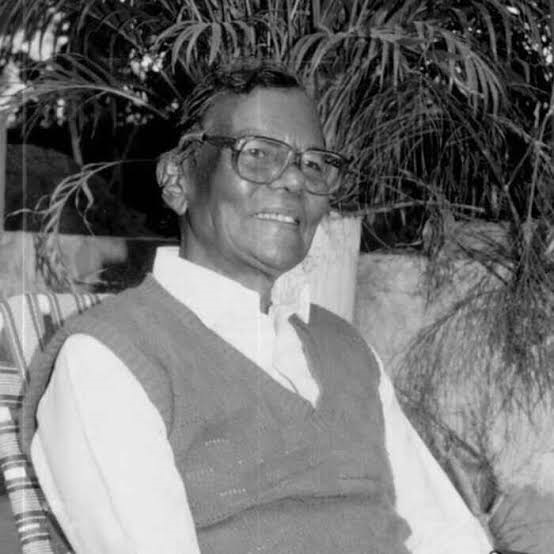
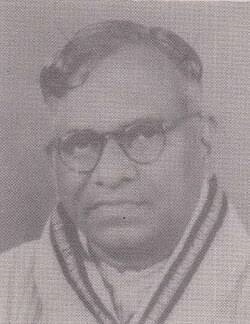
Thenpattinam Ponnuswamy Meenakshisundaram (1901–1980), widely known as T. P. Meenakshisundaram (or Te. Po. Mee.), was an eminent Indian scholar, polyglot, freedom fighter, and literary historian. He stands as a towering figure in Tamil and Dravidian linguistics, having profoundly shaped Tamil education and academic institution-building in South India. As the founder Vice-Chancellor of Madurai Kamaraj University and an authority on classical and modern literature, his multi-faceted intellectual journey ranged from legal practice to pioneering international Dravidian linguistic research.
2. Quick Facts
- Full Name: Thenpattinam Ponnuswamy Meenakshisundaram
- Native Name: தெ. பொ. மீனாட்சிசுந்தரம் (Te. Po. Meenakshisundaranar)
- Date of birth: January 8, 1901
- Place Of birth: Thenpattinam, Chengalpattu District, Tamil Nadu, India
- Nationality: Indian
- Occupation/ Profession: Academic, Linguist, Writer, and Lawyer
- Field of Achievement: Tamil Literature, Dravidian Linguistics, and Education
- Years Active: 1923 – 1980
3. Award Information (Focus: Padma Bhushan)
- Award Name: Padma Bhushan
- Award Category: Civil Honour (Third-highest civilian award in India)
- Award Year: 1977
- Presented By: Government of India
- Date of Ceremony: 1977 (Annual Investiture Ceremony, Rashtrapati Bhavan)
- Citation/Official Reason: For distinguished service and exceptional contributions to literature and education.
- Previous Recipients: Notable academics, scientists, artists, and public servants from preceding years.
- Next Recipients: Notable figures in literature, science, and public affairs from subsequent years.
4. Why They Received the Award
Dr. T. P. Meenakshisundaram received the Padma Bhushan in recognition of his lifelong dedication to enriching Tamil language scholarship, writing authoritative texts on linguistic history, and establishing foundational higher education frameworks like Madurai Kamaraj University.
5. Early Life
Born in 1901 in Thenpattinam (then part of the Chengalpattu district) to S. Ponnusami Gramani, he was named after the legendary Tamil scholar Mahavidwan Meenakshisundaram Pillai due to his father’s deep reverence for Tamil literature. Growing up in a culturally rich environment in Madras (Chennai), he demonstrated an early and voracious appetite for languages, history, and economics.
6. Education
- Schooling & Undergraduate: Completed his Bachelor of Arts (BA) in 1920 from Pachaiyappa’s College, Madras.
- Law & Advanced Degrees: Secured a Bachelor of Law (BL) in 1922 and an MA in History in 1923 from Pachaiyappa’s College, alongside a Diploma in Economics.
- Post-Graduate Specializations: Driven by his passion for ancient texts, he pursued and earned traditional degrees including B.O.L. and M.O.L. (Master of Oriental Learning) by 1934.
7. Career Journey
- Legal and Civic Practice: Enrolled as an advocate at the Madras High Court in 1923; elected to the Madras Corporation Council in 1924 and headed the Aluminum Workers’ Union in 1925.
- University Professorships: Transitioned into academia, serving as a Tamil professor at Annamalai University (1954–1958) and Presidency College, Chennai, until 1961. He also taught as a visiting professor of Tamil at the University of Chicago in 1961.
- Administrative Leadership: Served as Director of the Centre for Advanced Study in Dravidian Linguistics at Annamalai University before being appointed as the founder Vice-Chancellor of Madurai Kamaraj University (1966–1971).
8. Major Achievements
- Founder Vice-Chancellor: Successfully laid down the administrative and academic foundation of Madurai Kamaraj University during its formative years.
- Magnum Opuses: Authored seminal academic texts including A History of Tamil Language, A History of Tamil Literature, Philosophy of Tiruvalluvar, and Aesthetics of the Tamils.
- International Scholarly Presence: Promoted global awareness of Tamil culture, delivering key addresses at landmark international events like the First International Tamil Conference in Kuala Lumpur (1966).
9. Contribution to the Nation
Dr. Meenakshisundaram actively participated in India’s freedom struggle, notably courting arrest during the Individual Satyagraha/Picketing movements in 1941. Nationally, he bridged traditional Tamil scholasticism with modern linguistic science, validating Tamil as an independent classical system on the global academic stage and shaping curriculum standards for generations of students.
10. Other Awards and Honours
- Padma Shri (1967 – Note: He later received the higher Padma Bhushan in 1977)
- Tamil Nadu Sahitya Akademi Award (1975)
- Honorary Doctorates: Conferred by Madurai Kamaraj University (1967), the University of Colombo (1973), and Annamalai University (1976).
- Honorary Titles: Honored with titles like Palkalai Selvar by Dharmapuram Adheenam and Panmozhi Pulavar by Kunnakudi Adheenam.
11. Legacy and Influence
Referred affectionately by his initials as “Te. Po. Mee.”, he is celebrated as a polyglot (Panmozhi Pulavar) who understood multiple languages spanning Dravidian, Sanskrit, and Western linguistic traditions. His structural approach to the evolution of Tamil syntax and poetry heavily influenced modern linguistic research across South Asia.
12. Interesting Facts
- Name’s Prophecy: His father named him after the legendary 19th-century scholar Mahavidwan Meenakshisundaram Pillai, a namesake expectation that he vastly exceeded through his life’s work.
- Renaissance Polymath: He crossed seamlessly between law, active trade unionism, freedom fighting, economics, and pure grammatical research.
- Global Educator: Despite spending his core career in Tamil Nadu, his international footprint stretched from Chicago to Southeast Asia as an ambassador of Tamil studies.
13. Quotes
“Language is not merely a tool for communication; it is the living repository of a civilization’s collective soul and scientific inquiry.”
14. Timeline
- 1901: Born on January 8 in Thenpattinam, Tamil Nadu
- 1923: Enrolled as a lawyer at the Madras High Court
- 1941: Imprisoned for participating in the Indian freedom movement
- 1954: Began his long-standing professorial tenure at Annamalai University
- 1961: Served as Visiting Professor of Tamil at the University of Chicago
- 1966: Appointed founder Vice-Chancellor of Madurai Kamaraj University
- 1975: Received the Tamil Nadu Sahitya Akademi Award
- 1977: Conferred the Padma Bhushan by the Government of India
- 1980: Passed away on August 27 at the age of 79
15. References
- Wikipedia contributors. T. P. Meenakshisundaram. Wikipedia, The Free Encyclopedia.
- Tamil Wiki – தெ. பொ. மீனாட்சிசுந்தரம் வாழ்க்கை வரலாறு.
- Ministry of Home Affairs, Government of India – Padma Awards Directory.
- Collected Works of Prof. T. P. Meenakshisundaram (Sarvodaya Ilakkiya Pannai, Madurai).
16. Related Personalities
- Thiru. Vi. Kalyanasundaranar (Thiru. Vi. Ka.) – Prominent Tamil scholar, freedom fighter, and contemporary intellectual.
- Kamil Zvelebil – Renowned Czech Indologist and scholar of Tamil literature who collaborated with South Indian academics.
- Maraimalai Adigal – Scholar and leader of the Pure Tamil Movement (Tanit Thamizh Iyakkam).
17. Frequently Asked Questions (FAQ)
Q: Who was T. P. Meenakshisundaram?
A: T. P. Meenakshisundaram was an acclaimed Indian educationist, freedom fighter, and linguistic scholar who specialized in Tamil literature and Dravidian linguistics.
Q: What are his primary contributions to education?
A: He served as a professor across premier universities and became the founder Vice-Chancellor of Madurai Kamaraj University.
Q: Did he receive national honors?
A: Yes, he was awarded the Padma Bhushan in 1977 by the Government of India for his pioneering services to literature and education.
Q: What are some of his most famous books?
A: His most notable works include A History of Tamil Language, A History of Tamil Literature, and Philosophy of Tiruvalluvar.
About the Author