

1. Introduction
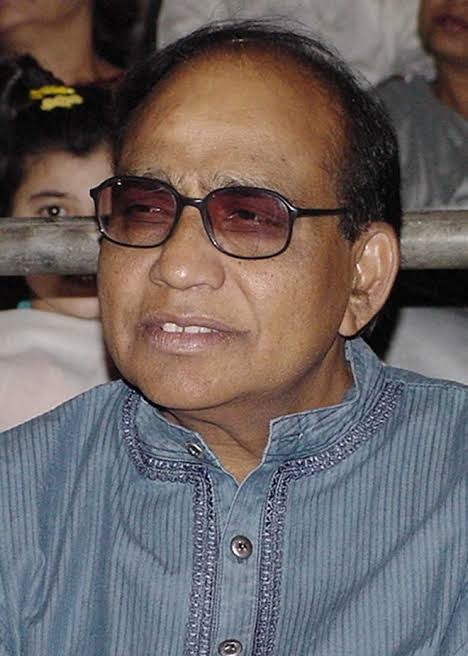
Dr. Sardar Anjum (1941–2015) was a celebrated Indian Urdu and Hindi poet, philosopher, and academician whose powerful verses resonated with progressive thought, humanism, and a deep longing for peace. Renowned as a “baagi shayar” (rebellious poet), his writing fearlessly challenged social injustices, fanaticism, and political apathy, while simultaneously championing Indo-Pak peace and universal brotherhood. Having served as the Head of the Urdu Department at Panjab University, his literary legacy stands tall, decorated with some of India’s highest civilian and literary honors.
2. Quick Facts
- Full Name: Dr. Sardar Anjum
- Native Name: سردار انجم (Urdu) / सरदार अंजुम (Hindi)
- Date of Birth: April 1941
- Place of Birth: Ghorewala village, near Hoshiarpur, Punjab, British India
- Nationality: Indian
- Occupation / Profession: Poet, Lyricist, Philosopher, Academician
- Field of Achievement: Urdu and Hindi Literature, Ghazal, Nazm, and Global Peace Advocacy
- Years Active: 1960s – 2015
3. Award Information (Focus: Padma Bhushan & Padma Shri)
- Award Name: Padma Bhushan (Follow-up to his earlier Padma Shri)
- Award Category: Literature and Education
- Award Year: 2005 (Padma Shri awarded in 1991)
- Presented By: The President of India at Rashtrapati Bhavan
- Date of Ceremony: Spring 2005
- Citation / Official Reason: For distinguished service of a high order and exceptional contributions to literature, education, and the promotion of cultural understanding through poetry.
4. Why Did He Receive the Award?
Dr. Sardar Anjum received the Padma Bhushan (and previously the Padma Shri in 1991) in recognition of his profound impact on Indian literature. His poignant poetry transcended ordinary verse to act as a moral mirror for society. He was specifically honored for using his powerful ghazals and nazms to advocate against terrorism, champion secularism, and foster cross-border harmony.
5. Early Life
Born in a small village in Punjab during the tumultuous final years of the British Raj, Sardar Anjum witnessed firsthand the cultural and psychological scars left by the partition of India. These formative childhood experiences deeply influenced his worldview, instilling in him an innate abhorrence for communal violence and a lifelong passion for human unity, secular ideals, and peace.
6. Education
- Foundational Studies: Completed his early schooling in Punjab, displaying an early, exceptional flair for languages, verse, and classical Indian music.
- Higher Education: Pursued advanced academic degrees, specializing in Urdu literature and philosophy.
- Academic Ascent: Immersed himself in textual analysis and progressive literary movements, laying the foundation for a career that seamlessly bridged academic scholarship with creative expression.
7. Career Journey
- Academic Leadership: Served with distinction as a Professor and Head of the Urdu Department at Panjab University, Chandigarh, and later as the Chancellor’s nominee at Punjabi University, Patiala.
- Literary and Media Works: Penned numerous collections of poetry and ghazals that were sung or recited on prominent national platforms. He also ventured into cinema, writing the script and lyrics for the feature film Karzdar, which actively advocated for peace and cultural bridges between India and Pakistan.
- Cultural Ambassador: Traveled globally to participate in prestigious international symposia, mushairas, and peace conferences.
8. Major Achievements
- The Rare Civilian Double: Conferred both the Padma Shri (1991) and the Padma Bhushan (2005) by the Government of India.
- The Millennium Peace Award: Presented with this prestigious honor in 2000 by former U.S. First Lady Hillary Clinton on behalf of the International Peace Foundation of New York for his contributions to global understanding.
- Landmark Anti-Terrorism Literary Works: Authored powerful publications like Goongi Tarekh (The Silent History), which used verse to fiercely oppose terrorism and violence during periods of regional unrest.
9. Contribution to the Nation
Dr. Anjum used his pen as an instrument of peace, national integration, and social reform. During dark periods of political tension and terrorism in Punjab, his voice stood fearlessly on the side of humanity, countering fanaticism with poetry. Through his academic leadership at Panjab University, he also preserved and promoted the rich heritage of Urdu literature for younger generations of scholars.
10. Other Awards and Honours
- Padma Shri: 1991 (Government of India)
- The Millennium Peace Award: 2000 (New York International Peace Foundation)
- Punjab Ratan Award: 2001 (Presented by the Governor of Punjab)
- Ambassador of Peace Award: 2002 (Government of Chhattisgarh)
- Padma Bhushan: 2005 (Government of India)
- Over 19 State Awards: Received numerous regional honors for his active role in education, literature, and cultural promotion.
11. Legacy and Influence
Dr. Sardar Anjum is remembered as a poet of uncompromising conviction. His couplets continue to be quoted in literary gatherings and public forums alike. His unique ability to combine the technical elegance of classical Urdu expression with radical, progressive social commentary established a gold standard for contemporary poetry in North India.
12. Interesting Facts
- The Political Connection: In the 1980s, he once penned a spontaneous, impactful verse for Prime Minister Indira Gandhi via a letter, which deeply impressed her.
- A Connoisseur of Music: Beyond literature, Dr. Anjum possessed a deep understanding of Indian classical music, often collaborating with or writing for legendary maestros.
- Defying Death in Spirit: In his later years, despite facing severe health battles—including the amputation of a foot due to diabetes—his philosophical resilience remained unshakeable. True to his word, he lived on through his verses: “Alvida dhadkanon ko jab kehna, jab khuda ko teri zaroorat ho” (Bid farewell to heartbeats only when God Himself needs you).
13. Quotes
“Zindagi ek imtihaan hai, imtihaan ka dar nahi; hum andheron se guzar kar roshni kehlayenge.”
(Life is an exam, but there is no fear of the test; having passed through the darkness, we shall emerge as light itself.) — Dr. Sardar Anjum
14. Timeline
- 1941: Born in Ghorewala village near Hoshiarpur, Punjab.
- 1991: Conferred the Padma Shri by the Government of India.
- 2000: Receives The Millennium Peace Award from Hillary Clinton in New York.
- 2001: Honored with the Punjab Ratan award.
- 2005: Awarded the Padma Bhushan by the President of India.
- July 10, 2015: Passes away at the age of 74 in Panchkula, Haryana, following a prolonged illness.
15. References
- Wikipedia – Dr. Sardar Anjum Biography & Archival Records
- The Tribune & India Today – Obituary and Literary Tributes (July 2015)
- The Indian Express & Loksatta – Archives on Dr. Anjum’s Philosophy and Career
- International Peace Foundation Records (New York)
16. Related Personalities
- Sahir Ludhianvi (Legendary Progressive Urdu Poet and Lyricist)
- Indira Gandhi (Former Prime Minister of India)
- J. F. R. Jacob (Former Governor of Punjab)
17. Frequently Asked Questions (FAQ)
- Q: Who was Dr. Sardar Anjum?
- A: He was an acclaimed Indian Urdu-Hindi poet, author, philosopher, and academic who served as the Head of the Urdu Department at Panjab University.
- Q: What are his most famous literary works?
- A: He is widely recognized for his deeply philosophical ghazals, nazms, and anti-terrorism literary works like Goongi Tarekh, alongside his peace-centric film Karzdar.
- Q: What major awards has he received?
- A: He was honored with the Padma Shri (1991) and the Padma Bhushan (2005), alongside international accolades like The Millennium Peace Award.
About the Author




