Introduction
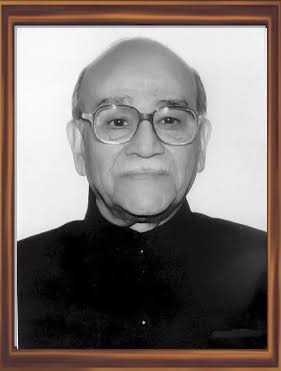
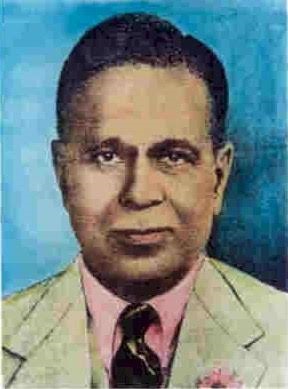
Syed Fazl Ali (19 September 1884 – 22 August 1959) was an eminent Indian jurist, judge, and statesman who made significant contributions to the country’s judicial system and administrative development. He served as a Judge of the Supreme Court of India, the Governor of Odisha, and later the Governor of Assam. He is best remembered for chairing the States Reorganisation Commission (SRC), whose recommendations led to the reorganization of Indian states largely on linguistic lines. His contributions to law, governance, and nation-building earned him the Padma Vibhushan, India’s second-highest civilian honour.
Why Did He Receive the Padma Vibhushan Award?
Syed Fazl Ali was awarded the Padma Vibhushan in 1956 in recognition of his outstanding contributions to public affairs, law, and public administration. His leadership of the States Reorganisation Commission played a crucial role in reshaping India’s internal boundaries, making administration more efficient while respecting linguistic and cultural identities. His distinguished service in the judiciary and as a governor also contributed to this national honour.
Early Life
Syed Fazl Ali was born on 19 September 1884 in Patna, Bihar, into a respected family that valued education and public service. From a young age, he displayed exceptional academic ability and developed a keen interest in law, governance, and justice.
His strong educational background and dedication to public service laid the foundation for a distinguished legal and administrative career.
Education and Career
Fazl Ali completed his early education in Bihar before studying law. After qualifying as a lawyer, he established a successful legal practice and gained recognition for his knowledge of constitutional and civil law.
His judicial career progressed steadily, and he served as:
- Judge of the Patna High Court.
- Chief Justice of the Patna High Court.
- Judge of the Supreme Court of India.
- Governor of Odisha (1952–1954).
- Governor of Assam (1956–1959).
In 1953, the Government of India appointed him as the Chairman of the States Reorganisation Commission, which submitted its landmark report in 1955. Many of its recommendations were implemented through the States Reorganisation Act, 1956, fundamentally reshaping India’s political map.
Career and Achievements
Syed Fazl Ali made remarkable contributions to India’s judiciary and public administration.
His major achievements include:
- Served as a Judge of the Supreme Court of India.
- Chaired the States Reorganisation Commission, which recommended the reorganization of Indian states.
- Played a vital role in strengthening India’s constitutional and judicial framework.
- Served as the Governor of Odisha and Assam with distinction.
- Contributed significantly to administrative reforms during the early years of independent India.
- Earned respect for his impartiality, legal expertise, and dedication to public service.
Field of Achievements
Syed Fazl Ali excelled in several fields, including:
- Judiciary
- Constitutional Law
- Public Administration
- Governance
- Judicial Reforms
- National Integration
Awards and Honours
Syed Fazl Ali received several honours during his distinguished career:
- Padma Vibhushan (1956) for exceptional service in public affairs and law.
- Appointed Judge of the Supreme Court of India.
- Served as Governor of Odisha and Governor of Assam.
- Widely respected as the Chairman of the States Reorganisation Commission, one of independent India’s most significant administrative bodies.
Interesting Facts
- Syed Fazl Ali chaired the States Reorganisation Commission, whose recommendations transformed India’s administrative boundaries.
- The States Reorganisation Act, 1956 was largely based on the Commission’s report.
- He served in all three branches of public life—as a lawyer, judge, and governor.
- He was known for his fairness, integrity, and deep understanding of constitutional law.
- His work helped strengthen India’s federal structure during its formative years.
Legacy and Inspiration
Syed Fazl Ali’s legacy lies in his commitment to justice, constitutional governance, and national unity. His leadership of the States Reorganisation Commission helped create a more balanced administrative structure while recognizing India’s linguistic and cultural diversity.
His dedication to fairness, legal excellence, and public service continues to inspire judges, lawyers, civil servants, and students of constitutional law.
Contribution to the Nation
Syed Fazl Ali made lasting contributions to India by:
- Strengthening the Indian judiciary through distinguished judicial service.
- Leading the States Reorganisation Commission, which reshaped India’s political and administrative map.
- Promoting constitutional governance and the rule of law.
- Serving with integrity as the Governor of Odisha and Assam.
- Supporting national integration while respecting regional identities.
- Helping build strong democratic institutions in independent India.
His contributions played a significant role in the successful functioning of India’s federal system.
Conclusion
Syed Fazl Ali was an eminent jurist and statesman whose contributions to India’s legal and administrative systems continue to have a lasting impact. His leadership of the States Reorganisation Commission, distinguished judicial career, and service as governor reflected his dedication to justice, constitutional values, and nation-building. Awarded the Padma Vibhushan for his exceptional public service, Fazl Ali remains an enduring example of integrity, wisdom, and commitment to the nation.
About the Author