
Introduction
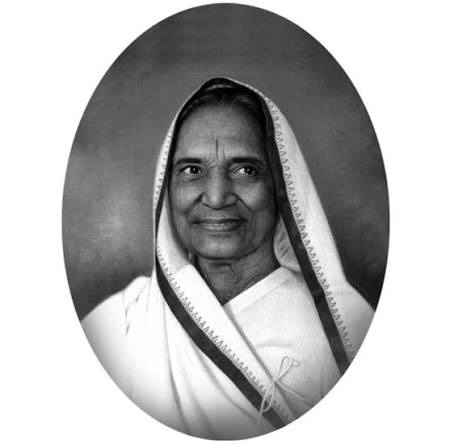
Janaki Devi Bajaj (7 January 1893 – 21 May 1979) was a renowned Indian freedom fighter, social reformer, philanthropist, and one of the leading women associated with India’s independence movement. She was the wife of Jamnalal Bajaj and a close associate of Mahatma Gandhi. Throughout her life, she dedicated herself to promoting women’s empowerment, rural development, social equality, and Gandhian values of simplicity and selfless service. Her remarkable contributions earned her India’s second-highest civilian honour, the Padma Vibhushan.
Why Did Janaki Devi Bajaj Receive the Padma Vibhushan Award?
Janaki Devi Bajaj was awarded the Padma Vibhushan in 1956 for her exceptional contribution to social work and public service. The Government of India recognized her lifelong dedication to:
- Participating in India’s freedom struggle.
- Promoting Gandhian principles of non-violence and self-reliance.
- Uplifting women and encouraging female education.
- Working for the welfare of rural communities.
- Supporting the abolition of untouchability and social discrimination.
- Encouraging the use of khadi and indigenous industries.
Her selfless service made her one of the most respected women leaders of independent India.
Early Life
Janaki Devi Bajaj was born on 7 January 1893 in a traditional Marwari family in what is now Madhya Pradesh. At a young age, she married Jamnalal Bajaj, who later became one of India’s most respected industrialists and philanthropists.
Initially living a traditional lifestyle, Janaki Devi’s outlook changed significantly after meeting Mahatma Gandhi. Inspired by his ideals, she embraced simplicity, wore khadi, gave up expensive jewellery, and devoted herself to serving society.
Education and Career
Education
Like many women of her generation, Janaki Devi Bajaj did not receive extensive formal education. However, she educated herself through experience, reading, and close association with national leaders, particularly Mahatma Gandhi.
Career
Rather than pursuing a professional career, Janaki Devi devoted her life to:
- Social service
- Women’s welfare
- Rural development
- Promotion of khadi
- Freedom movement activities
- Charitable work
She became a respected public figure through her tireless efforts in nation-building and community development.
Career and Achievements
Janaki Devi Bajaj made significant contributions throughout her life.
Active Participation in the Freedom Movement
She actively participated in Gandhi’s Civil Disobedience Movement and encouraged women to join the struggle for independence.
Promotion of Khadi
She strongly promoted spinning and wearing khadi as symbols of self-reliance and national pride.
Women’s Empowerment
She worked tirelessly to improve the social and educational status of women and encouraged their participation in public life.
Rural Development
She supported various programmes aimed at improving sanitation, education, healthcare, and employment opportunities in villages.
Social Equality
Janaki Devi campaigned against untouchability and promoted equality among all sections of society.
Philanthropic Work
She contributed generously to educational institutions, charitable organizations, and welfare initiatives that benefited thousands of people.
Field of Achievement
Janaki Devi Bajaj made remarkable contributions in several fields:
- Social Work
- Women’s Empowerment
- Rural Development
- Freedom Movement
- Philanthropy
- Gandhian Social Reform
- Promotion of Khadi and Village Industries
Awards and Honours
Janaki Devi Bajaj received several honours during and after her lifetime.
Padma Vibhushan (1956)
India’s second-highest civilian award for distinguished service to the nation.
Commemorative Postage Stamp
The Government of India issued a commemorative postage stamp in her honour, recognizing her contribution to the nation.
Janaki Devi Bajaj Award
The Jamnalal Bajaj Foundation established the Janaki Devi Bajaj Award to recognize outstanding rural women entrepreneurs and individuals working for women’s development and rural progress.
Interesting Facts
- She was among the first women from a conservative Marwari family to actively participate in the freedom movement.
- She voluntarily gave up jewellery and adopted a simple Gandhian lifestyle.
- She spent time in prison for participating in India’s independence movement.
- She inspired many women to join social reform activities.
- She remained committed to public service even after India’s independence.
- She believed that true wealth lies in serving society rather than accumulating material possessions.
- She played an important role in spreading Gandhian ideals in rural India.
Legacy and Inspiration
Janaki Devi Bajaj’s life continues to inspire generations of Indians. Her legacy lives on through:
- Women’s empowerment programmes.
- Rural development initiatives.
- Educational and charitable institutions.
- The Janaki Devi Bajaj Award.
- Gandhian movements promoting simplicity, equality, and service.
She remains a role model for social workers, philanthropists, and young leaders committed to nation-building.
Contribution to the Nation
Janaki Devi Bajaj made lasting contributions to India’s development by:
- Supporting the Indian freedom struggle.
- Promoting women’s rights and education.
- Improving the lives of rural communities.
- Fighting social discrimination and untouchability.
- Encouraging self-reliance through khadi and village industries.
- Supporting education, healthcare, and social welfare programmes.
- Inspiring future generations through her commitment to public service.
Her work strengthened both India’s social fabric and the ideals upon which the nation was built.
Conclusion
Janaki Devi Bajaj was far more than the wife of a famous industrialist—she was a courageous freedom fighter, compassionate social reformer, and dedicated nation-builder. Guided by Gandhian values, she devoted her life to serving the underprivileged, empowering women, and improving rural India. Her receipt of the Padma Vibhushan reflects the nation’s recognition of her extraordinary contributions. Even today, her life stands as a powerful example of selfless service, humility, and unwavering commitment to the welfare of society.
About the Author