

1. Introduction
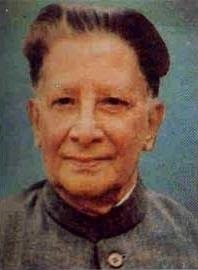
Syed Abdul Malik (1919–2000) was a towering luminary of Assamese literature, renowned for his prolific output, deep sociological empathy, and masterful storytelling. Writing across various genres—including novels, short stories, poetry, plays, and travelogues—Malik chronicled the realities of rural life, human relationships, and social struggles with profound sensitivity. As a champion of secularism and humanism, his literary contributions redefined modern Assamese prose and earned him some of India’s highest civilian and literary honors.
2. Quick Facts
- Full Name: Syed Abdul Malik
- Native Name: চৈয়দ আব্দুল মালিক
- Date of Birth: January 16, 1919
- Place of Birth: Nahoroni village, Golaghat district, Assam, British India
- Date of Passing: December 20, 2000 (aged 81)
- Nationality: Indian
- Occupation/Profession: Author, Educator, Lyricist, Politician
- Field of Achievement: Assamese Literature (Fiction, Novels, and Poetry)
- Years Active: Late 1930s until 2000
3. Award Information (Highlight: Sahitya Akademi Award)
- Award Name: Sahitya Akademi Award
- Award Category: India’s Premier Literary Honor
- Award Year: 1972
- Presented By: Sahitya Akademi, New Delhi
- Citation/Official Reason: Conferred for his monumental novel Aghari Aatmar Kahini (The Tale of a Vagabond Soul), recognizing its exceptional artistic merit, psychological depth, and profound depiction of human resilience.
- Other Major National Honours:
- Padma Shri (1984) – India’s fourth-highest civilian award.
- Padma Bhushan (1992) – India’s third-highest civilian award.
4. Why He Received the Awards
Syed Abdul Malik was decorated with India’s highest civilian and literary honors due to his unmatched storytelling breadth and his commitment to reflecting grassroots realities. His works avoided elitism, instead choosing to focus on the marginalized, the struggling, and the complex emotional landscapes of ordinary people. Furthermore, his presidential stewardship of the Asam Sahitya Sabha in 1977 helped steer Assamese literature through critical cultural milestones.
5. Early Life
Born into a modest family in the Nahoroni village of Golaghat, Assam, Malik grew up amidst the lush countryside and diverse ethnic communities that would later populate his stories. Despite facing financial constraints in his youth, he cultivated an insatiable passion for reading and writing, drawing deep inspiration from the rural socio-cultural tapestry of Assam.
6. Education
- Early Education: Completed his primary and secondary schooling locally in Upper Assam.
- Higher Education: Pursued higher studies, earning his Master’s degree in Assamese from the University of Calcutta, which laid a rigorous academic foundation for his literary career.
7. Career Journey
- Early Teaching: Started his professional journey as an educator, teaching in various schools and colleges across Assam.
- Literary Expansion: Transitioned into a full-time literary career, writing prolifically for prominent Assamese journals and newspapers.
- Public Service & Parliament: Briefly ventured into public service, serving as a Member of Parliament (Rajya Sabha) representing Assam during the 1970s, where he advocated for regional cultural rights and national integration.
- Presidential Leadership: Elected as the President of the prestigious Asam Sahitya Sabha session held at Abhayapuri in 1977.
8. Major Achievements
- Authored over 150 books, including more than 60 novels, numerous short story collections, poetry, and biographies.
- Notable literary masterpieces include:
- Aghari Aatmar Kahini (1969)
- Surujmukhir Swapno (The Dream of the Sunflower)
- Dhanya Nar Tanu Bhal
- Ruptir Pahare
- Served as a member of various national literary committees and cultural delegations.
9. Contribution to the Nation
Malik used his pen as an instrument of social harmony. Through his novels and short stories, he bridged communal and ethnic divides, painting a realistic and compassionate picture of Assamese society. His contributions went beyond books; as an educator and public intellectual, he inspired generations of young writers to look at literature as a medium for social change and human dignity.
10. Other Awards and Honours
- Sankardev Award (highest state-level cultural award conferred by the Government of Assam)
- Xahityacharya title conferred by the Asam Sahitya Sabha
- Soviet Land Nehru Award for his progressive literary works
- Assam Valley Literary Award recognition for lifetime achievement
11. Legacy and Influence
Syed Abdul Malik remains a towering pillar in the history of Assamese fiction. His ability to blend realism with poetic lyricism transformed the structural norms of the Assamese novel. Universities and literary institutions across Northeast India continue to study his works, cementing his place alongside contemporary greats like Hem Barua and Birendra Kumar Bhattacharya.
12. Interesting Facts
- Unmatched Output: He is celebrated for his incredible versatility, having written successfully across almost every literary genre—from romantic poetry to hard-hitting social realism.
- Cinematic Adaptations: Several of his novels, including Surujmukhir Swapno, were adapted into critically acclaimed Assamese feature films, bringing his written words to the visual screen.
- Name Symbolism: His life and career stand as a shining testament to the composite, secular cultural fabric of Assam.
13. Quotes
“Literature is not merely a mirror of society; it is the heartbeat of human conscience, guiding us toward empathy, truth, and equality.” — Syed Abdul Malik
14. Timeline
Birth in Golaghat, Assam
January 16, 1919
Born in Nahoroni village, beginning his journey rooted in Assamese rural traditions.
Rise of a Literary Voice
1940s-1950s
Emerges as a powerful new voice in Assamese magazines with poignant short stories and poetry.
Sahitya Akademi Award
1972
Receives India’s top literary honor for his masterpiece Aghari Aatmar Kahini.
President of Asam Sahitya Sabha
1977
Presides over the historic annual session of the Asam Sahitya Sabha at Abhayapuri.
Awarded Padma Shri
1984
Honored with the Padma Shri by the Government of India for his contributions to literature.
Awarded Padma Bhushan
1992
Receives India’s third-highest civilian distinction.
Passing in Guwahati
December 20, 2000
Passes away at the age of 81, leaving behind an immortal literary legacy.
15. References
- Official archives of the Asam Sahitya Sabha and Sahitya Akademi.
- The Sentinel and The Assam Tribune historical literary retrospectives.
- Biographies on Assamese literary pioneers published by Publication Board Assam.
16. Related Personalities
- Birendra Kumar Bhattacharya (Jnanpith Award-winning Assamese novelist)
- Hem Barua (Renowned Assamese poet, author, and freedom fighter)
- Lakshminath Bezbaroa (Founding literary figure of modern Assamese literature)
17. Frequently Asked Questions (FAQ)
Q1: Who was Syed Abdul Malik?
A: Syed Abdul Malik was one of Assam’s most celebrated and prolific authors, known for writing over 150 books spanning novels, short stories, and poetry that deeply explored human relationships and rural sociology.
Q2: What are some of his most famous literary works?
A: His most famous works include the Sahitya Akademi-winning novel Aghari Aatmar Kahini, Surujmukhir Swapno, and Dhanya Nar Tanu Bhal.
Q3: What major civilian and literary awards did he receive?
A: He received the Sahitya Akademi Award (1972), the Padma Shri (1984), and the Padma Bhushan (1992), alongside the prestigious Sankardev Award.
About the Author




