

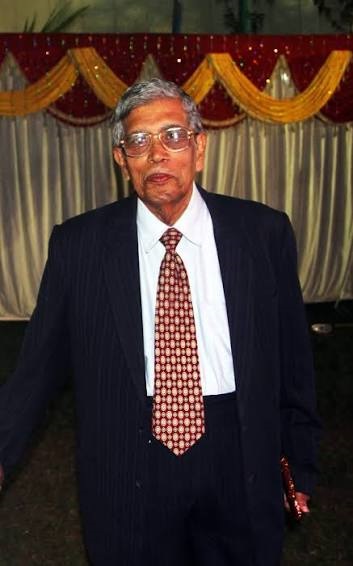
1. Introduction
Dr. Sitakant Mahapatra is one of India’s most celebrated and intellectually profound literary figures. Writing primarily in Odia and English, he stands as a monumental pillar of modern Indian poetry. Seamlessly balancing a distinguished career as a senior civil servant with a prolific literary journey, Mahapatra infused Odia poetry with deep existential introspection, rich mythological re-interpretations, and an empathetic celebration of indigenous tribal folklore.
2. Quick facts
- Full Name: Sitakant Mahapatra
- Native Name: ସୀତାକାନ୍ତ ମହାପାତ୍ର (Odia)
- Date of birth: September 17, 1937
- Place Of birth: Mahanga, Cuttack district, Odisha, India
- Nationality: Indian
- Occupation/ Profession: Poet, Literary Critic, Cultural Anthropologist, and Former Civil Servant (IAS)
- Field of Achievement: Odia Literature, Poetry, and Tribal Folklore Studies
- Years Active: 1960s – Present
3. Award Information
- Award Name: Jnanpith Award
- Award Category: India’s Highest Literary Honor
- Award Year: 1993
- Presented By: Bharatiya Jnanpith
- Date of Ceremony: Annual national literary honors cycle
- Citation/Official Reason: “For outstanding contribution to Indian literature.” The citation further noted that while his poetry is deeply steeped in Western literature and modern sensibilities, it carries “the rare rapturous fragrance of native soil.”
- Previous Recipients (Examples): Thakazhi Sivasankara Pillai, V. K. Gokak, Subhagopalan, Qurratulain Hyder.
- Next Recipients: U. R. Ananthamurthy, Kedarnath Singh, and other literary giants.
4. Why they Receive the award?
Dr. Sitakant Mahapatra received the Jnanpith Award in recognition of his lifetime mastery over verse, which bridged global modernism with the timeless mythologies and folk traditions of India. His poetry collections—such as Sabdara Akash (The Sky of Words)—redefined the stylistic horizons of Odia literature, capturing the profound isolation, spiritual longing, and cultural transitions of contemporary humanity.
5. Early Life
Born on September 17, 1937, in Mahanga, Odisha, Mahapatra grew up immersed in a culturally rich environment influenced by classical traditions and rural Odia life. From an early age, he demonstrated an exceptional grasp of language, philosophy, and history. His intimate exposure to Odisha’s rural landscapes later blossomed into a lifelong academic and poetic fascination with the lifestyle, oral history, and worldview of eastern India’s tribal communities.
6. Education
- Schooling: Completed his early education in local Odia institutions.
- Undergraduate Studies: Earned his Bachelor’s degree with Honours in Political Science from Ravenshaw College, Cuttack.
- Post-Graduation: Obtained his Master of Arts (M.A.) in Political Science from the University of Allahabad, securing the top rank (Gold Medal).
- International Fellowships:
- Completed a diploma course in Overseas Development Studies at Cambridge University under the Colombo Plan Fellowship (1969).
- Spent a year at Harvard University as a Ford Foundation Fellow (1988).
7. Carrier Journey
- Civil Services (IAS): Selected for the prestigious Indian Administrative Service (IAS) in 1961 batch, serving in critical administrative capacities for over three decades until his retirement in 1995.
- Key Administrative Roles: Served as Secretary to the Ministry of Culture, Government of India, and held senior development portfolios in Odisha.
- Global Cultural Leadership: Served as the President of UNESCO’s World Decade for Cultural Development.
- Literary Institutions: Later served as Chairman of the National Book Trust (NBT) and President of the Sahitya Akademi.
8. Major Achievements
- Landmark Poetry Collections: Authored over 30 volumes of poetry in Odia, including Dipti O Dyuti (1963), Sabdara Akash (1971), Samudra (1977), and Anek Sharat (1981).
- Tribal Oral Poetry Translations: Curated and translated pivotal anthologies of indigenous oral poetry, including The Awakened Wind (1983) and Bakhen (1979), preserving vanishing tribal chants.
- The Triple Civilian Accolade: Honored sequentially with the Padma Shri, Padma Bhushan (2002), and Padma Vibhushan (2011).
- Sahitya Akademi Fellowship (2013): Conferred the highest literary fellowship by India’s national academy of letters.
9. Contribution to the nation
Dr. Mahapatra expanded the boundaries of Indian literature by integrating indigenous tribal folklore into the mainstream literary consciousness. As a civil servant and cultural diplomat, he championed the preservation of India’s tangible and intangible heritage on global platforms like UNESCO. His poetry offered a philosophical sanctuary, helping modern readers navigate the tensions between technological progress, urban alienation, and spiritual roots.
10. Other Awards and Honours
- Orissa Sahitya Academy Award (1971 & 1984)
- Sahitya Akademi Award (1974) – For Sabdara Akash
- Sarala Award (1985)
- Kumaran Asan Poetry Award (Kerala)
- Soviet Land Nehru Award
- Padma Bhushan (2003)
- Padma Vibhushan (2011) – India’s second-highest civilian honor
- SAARC Literary Award (2015)
- Tagore Peace Award (2017)
11. Legacy and influence
Sitakant Mahapatra remains an icon of intellectual versatility—proving that rigorous administrative governance and delicate artistic creation can coexist at the highest levels. His works have been translated into nearly all major Indian languages and multiple foreign languages (including English, French, German, Russian, and Greek). He continues to be studied by researchers of comparative literature, post-colonial modernism, and Indian anthropology.
12. Interesting Facts
- The Bureaucrat-Poet: Despite managing grueling bureaucratic desks and national cultural ministries during the day, Mahapatra preserved his creative solitude for writing poetry late into the night.
- Voice of the Voiceless: Unlike urban-centric poets of his generation, he spent months living inside remote tribal hamlets (such as the Santal, Kondh, and Mundari belts), transcreating their ritual invocation songs into English and Odia to save them from oblivion.
- Prolific Output: He has authored over 70 books, spanning poetry collections, cultural essays, critical monographs on classical poets like Bhima Bhoi and Jagannatha Das, and deep anthropological studies on tribal transformation.
13. Quotes
“Memory is the anchor of identity. In an age of fast-paced globalization, a culture that forgets its mythologies and grassroots poetry loses its soul.”
“Poetry is not merely an arrangement of pleasing words; it is an existential search for meaning in a silent universe.”
14. Timeline
- 1937: Born on September 17 in Mahanga, Odisha.
- 1961: Joins the Indian Administrative Service (IAS).
- 1963: Publishes his debut poetry collection, Dipti O Dyuti.
- 1974: Wins the Sahitya Akademi Award for Sabdara Akash.
- 1993: Conferred India’s highest literary distinction, the Jnanpith Award.
- 1995: Retires from active civil service.
- 2003: Honored with the Padma Bhushan by the Government of India.
- 2011: Conferred the Padma Vibhushan by the Government of India.
- 2013: Awarded the Sahitya Akademi Fellowship.
15. References
- Bharatiya Jnanpith Official Award Archives and Citations.
- Ministry of Home Affairs, Government of India – Padma Awards Directories.
- Sahitya Akademi – Fellow Registers and Bibliographic Records.
- Mahapatra, Sitakant. The Awakened Wind: The Oral Poetry of the Indian Tribes (Vikas Publishing).
16. Related Personalities
- Gopinath Mohanty (Legendary Odia novelist whose works Mahapatra extensively critiqued and translated)
- Bhima Bhoi (19th-century blind visionary poet of Odisha whose philosophical works Mahapatra analyzed)
- Sachidananda Routray (Eminent Odia modern poet and Jnanpith laureate)
- Ramakanta Rath (Renowned contemporary Odia poet and civil servant)
17. Frequently Asked Questions (FAQ)
Q1: What is Sitakant Mahapatra best known for?
A: Sitakant Mahapatra is best known as a premier modern poet in Odia literature, a Jnanpith laureate, and a pioneering cultural anthropologist who documented and translated the oral poetry of Indian tribes.
Q2: Which major national awards has he received?
A: He has received India’s highest literary honor, the Jnanpith Award (1993), along with the Padma Bhushan (2003) and the Padma Vibhushan (2011).
Q3: Was he a professional writer by background?
A: No, Mahapatra was a career bureaucrat who served for over three decades in the Indian Administrative Service (IAS) while maintaining a parallel, internationally acclaimed literary career.
About the Author




