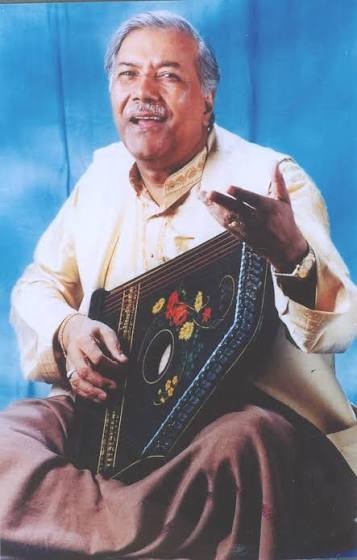
Standalone Title:Shashi Bhushan: The Visionary Independence Activist and Socialist Leader
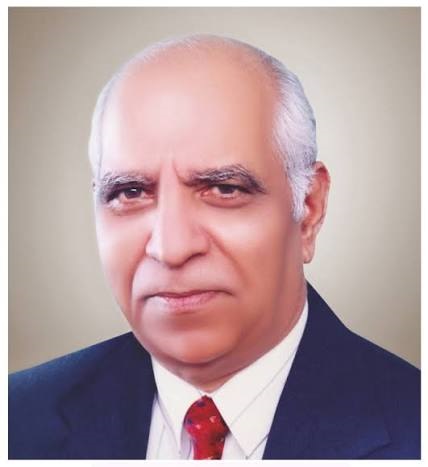
Shashi Bhushan (11 November 1924 – 30 September 2011) was a prominent Indian independence activist, freedom fighter, parliamentarian, and social worker. A dedicated socialist and secularist, he devoted his life to upholding the values of the Indian national movement, championing public welfare, and preserving the historical legacy of India’s freedom struggle.
2. Quick Facts: At a Glance
Standalone Title:Shashi Bhushan: Quick Facts and Profile Overview
Full Name: Shashi Bhushan
Date of Birth: 11 November 1924
Place of Birth: Lashkar, Gwalior State (now in Madhya Pradesh), India
Nationality: Indian
Occupation/Profession: Freedom Activist, Politician, Social Worker, Author
Field of Achievement: Indian National Movement, Parliamentarian Politics, Public Affairs
Years Active: 1942 – 2011 (Active from the Quit India Movement through post-independence governance)
3. Award Information: The Padma Bhushan Honor
Standalone Title:Recognizing Public Service: Shashi Bhushan’s Padma Bhushan Award
Award Name: Padma Bhushan
Award Category: Civilian Award (Third Highest Civilian Honor in India)
Award Year: 2006
Presented By: Dr. A.P.J. Abdul Kalam (then President of India)
Date of Ceremony: 29 March 2006
Citation/Official Reason: For distinguished contributions and lifelong service to public affairs.
Other Notable Accolades: The Institute for Social Education founded by him received the National Communal Harmony Award in 2007.
4. Why Did He Receive the Award?
Standalone Title:A Lifetime of Dedication: Why Shashi Bhushan Was Awarded the Padma Bhushan
Shashi Bhushan was honored with the Padma Bhushan for his uncompromising commitment to public service, his active role in India’s struggle for independence, and his relentless post-independence work promoting secularism, communal harmony, and socialist values through both legislation and grassroots activism.
5. Early Life: Formative Years in Gwalior
Standalone Title:The Crucible of Freedom: Shashi Bhushan’s Early Years
Born on November 11, 1924, in Lashkar, Gwalior, Shashi Bhushan grew up during an era of intense national awakening. Imbued with deep patriotic fervor, he responded early to Mahatma Gandhi’s clarion call, plunging headfirst into national politics and the anti-colonial resistance while still a young man.
6. Education: Grounded in National Ideals
Standalone Title:Shaping a Radical Mind: The Intellectual Foundation of Shashi Bhushan
Educated during the pre-independence era, Bhushan’s true schooling took place in the fields of political agitation, study circles, and prison cells. His intellectual leaning focused heavily on history, socio-economic equity, and democratic socialism, which later guided his legislative and literary pursuits.
7. Career Journey: From Freedom Trails to Parliament
Standalone Title:A Storied Career: Freedom Fighter to Lok Sabha Parliamentarian
The Quit India Movement: Responded to the “Do or Die” call in 1942, resulting in his arrest and a grueling three-and-a-half-year imprisonment as a security prisoner across various jails in Punjab.
Parliamentary Career: Transitioned into post-independence democratic politics under the Indian National Congress (INC).
Member of Parliament: Served as a Member of the Lok Sabha representing Khargone, Madhya Pradesh (1967–1971), and later won a high-profile electoral battle from the South Delhi constituency in 1971 against Jan Sangh president Balraj Madhok.
8. Major Achievements: Preserving History and Writing Legacy
Standalone Title:Landmark Milestones: Red Fort Museum and Feroze Gandhi Biography
National Museum of Freedom Movement: Spearheaded continuous advocacy for over thirty years, leading to the establishment of the Freedom Movement and INA Museum inside the historic Red Fort in Delhi.
August Kranti Udyan: Instrumental in getting the area surrounding India Gate christened as August Kranti Udyan to honor freedom martyrs.
Literary Contributions: Authored Feroze Gandhi: A Political Biography (1977), which remains a vital historical account of the life of the politician-journalist and husband of Indira Gandhi.
9. Contribution to the Nation: Institutionalizing Secularism
Standalone Title:Nation Building: Championing Socialism and Communal Harmony
Bhushan was a core pillar of the Congress Socialist Forum, utilizing it to push progressive economic policies and social justice frameworks within mainstream politics. In 1970, he founded the Institute for Social Education, an organization dedicated to fostering communal harmony, national integration, and secular education, for which he was nationally recognized.
10. Other Awards and Honours
Standalone Title:Beyond the Padma Bhushan: Recognition of a Lifetime of Activism
National Communal Harmony Award (2007): Conferred upon the Institute for Social Education by the President of India for its grassroots peace initiatives.
Veteran Freedom Fighter Honors: Felicitated multiple times by national bodies and freedom fighter organizations for his historic sacrifices during the 1942 Quit India struggle.
11. Legacy and Influence: An Uncompromising Moral Compass
Standalone Title:An Enduring Legacy: The Simplicity and Integrity of Shashi Bhushan
Shashi Bhushan’s legacy is defined by extreme personal austerity, financial honesty, and fierce ideological clarity. He never hankered after personal power, privileges, or material gains, remaining a vocal defender of democratic principles until his final days on September 30, 2011, when he passed away in New Delhi at age 86.
12. Interesting Facts: Surprising Insights
Standalone Title:Did You Know? Fascinating Facts About Shashi Bhushan
A Youthful Prisoner: Spent formative years of his youth—totaling over three and a half years—locked away in high-security prisons during the Quit India movement.
Mentor to Youth: Encouraged scores of young students and volunteers from institutions like Gurukul Indraprastha to join the independence movement, leading to dozens being imprisoned alongside him.
The Historic Delhi Win: His 1971 Lok Sabha victory in South Delhi against prominent opposition leader Balraj Madhok was viewed as a major political turning point.
13. Quotes: Words of Wisdom
Standalone Title:In His Honor: Tributes to a Lifelong Socialist
“We are proud of the legacy you have left behind: A legacy of honest courage, and integrity against all odds. A legacy of excellence, hard work, and humanity.” — Public Tribute on his Birth Anniversary
14. Timeline: Key Milestones in His Life
1924: Born on November 11 in Lashkar, Gwalior.
1942: Joins the Quit India Movement; arrested and imprisoned for over three years.
1967–1971: Serves as a Member of Parliament representing Khargone, Madhya Pradesh.
1971: Wins the South Delhi Lok Sabha seat.
1977: Publishes Feroze Gandhi: A Political Biography.
2006: Conferred the Padma Bhushan by President Dr. A.P.J. Abdul Kalam.
2011: Passes away on September 30 in New Delhi at the age of 86.
15. References: Sources and Further Reading
Standalone Title:Sources and Archives: Further Reading on Shashi Bhushan
Wikipedia & Open Source Archives: Shashi Bhushan Profile
Ministry of Home Affairs (Govt. of India): Padma Awards & Communal Harmony Award Archives
Feroze Gandhi: A Political Biography by Shashi Bhushan (Progressive People’s Sector Publications)
Times of Pedia & Chakra Foundation: Biographical Tributes to Freedom Fighters
16. Related Personalities: Peers and National Leaders
Standalone Title:In Good Company: Contemporaries of Shashi Bhushan
Feroze Gandhi: Politician and journalist whose political life Bhushan famously documented.
Indira Gandhi: Former Prime Minister of India whose political ecosystem and socialist policies Bhushan closely worked with.
Dr. A.P.J. Abdul Kalam: President of India who honored him with the Padma Bhushan.
17. Frequently Asked Questions (FAQ)
Standalone Title:All Your Questions Answered: FAQs About Shashi Bhushan
Q: Who was Shashi Bhushan?
A: Shashi Bhushan was an Indian independence activist, freedom fighter, author, and two-term Member of Parliament who fought in the Quit India movement.
Q: What are his major historical contributions?
A: He is best known for pushing for the establishment of the Freedom Movement & INA Museum inside the Red Fort, authoring a political biography of Feroze Gandhi, and championing secularism and socialism.
Q: What major awards did he receive?
A: He was awarded the Padma Bhushan, India’s third-highest civilian honor, in 2006 for his public service.