1. Introduction: Remembering an Industrial Pioneer
Standalone Title:K. P. P. Nambiar: The Visionary Industrialist Who Pioneered India’s Electronics Revolution
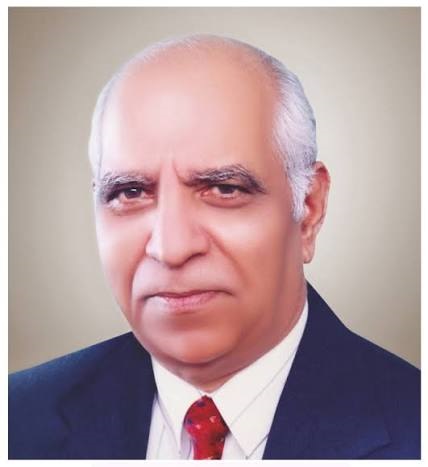
Kunnath Puthiyaveettil Padmanabhan Nambiar, widely known as K. P. P. Nambiar (15 April 1929 – 30 June 2015), was a preeminent Indian technocrat, industrialist, and institutional builder. He played a foundational role in shaping India’s electronic and telecommunication landscape. As the founder of KELTRON and the architect of India’s first IT park, Technopark, Nambiar combined cutting-edge technical expertise with aggressive institutional leadership, transforming modern industrial development in post-independence India.
2. Quick Facts: At a Glance
Standalone Title:K. P. P. Nambiar: Quick Facts and Profile Overview
Full Name: Kunnath Puthiyaveettil Padmanabhan Nambiar
Place of Birth: Kalliasseri, Kannur district, Kerala, British India
Nationality: Indian
Occupation/Profession: Industrialist, Technocrat, Public Administrator, Policy Advisor
Field of Achievement: Electronics Manufacturing, Semiconductor Research, Industrial Infrastructure
Years Active: 1950s – 2010
3. Award Information: The Padma Bhushan Honor
Standalone Title:Recognizing Technological Excellence: K. P. P. Nambiar’s Padma Bhushan Award
Award Name: Padma Bhushan
Award Category: Civilian Award (Third Highest Civilian Honor in India)
Award Year: 2006
Presented By: Dr. A.P.J. Abdul Kalam (then President of India)
Date of Ceremony: March 2006 (Republic Day Announcement)
Citation/Official Reason: For distinguished services and pioneering contributions to the fields of technology, science, and industrial engineering in India.
Other Major Accolades: ELCINA Electronics Man of the Year Award (1995), VASVIK Industrial Research Award (1986), National Design Award (1985), and the Science & Technology Award by the Kerala Government (1978).
4. Why Did He Receive the Award?
Standalone Title:A Lifetime of Technological Innovation: Why K. P. P. Nambiar Was Honored
K. P. P. Nambiar received the Padma Bhushan in recognition of his multi-decade crusade to make India self-reliant in electronics and high-tech manufacturing. By establishing pioneering state-level electronic corporations, shaping national technology policies as Secretary of the Department of Electronics, and designing infrastructure blueprints like Technopark, he fundamentally transformed India’s high-tech landscape.
5. Early Life: Formative Years in North Kerala
Standalone Title:The Roots of a Technocrat: Early Life in Kalliasseri
Born on April 15, 1929, in Kalliasseri village in Kannur district (North Malabar, Kerala) to P. P. Chindan Nambiar and K. P. Madhavi Amma, Nambiar grew up during a politically and socially conscious era. Showing an early academic inclination, he walked several kilometers daily to attend school in Taliparamba before heading to Madras (Chennai) for higher education.
6. Education: Grounded at the Imperial College, London
Standalone Title:Academic Rigor: Specializing in Transistors and Semiconductors
Undergraduate Degree: Graduated with a degree in Physics from Pachaiyappa’s College, Madras.
Imperial College London: Winner of a London County Council Major Award, he joined the Imperial College of Science & Technology, University of London in 1951, specializing in the nascent fields of transistors and semiconductors—placing him among the earliest Indian experts in solid-state electronics.
7. Career Journey: From Global Firms to National Leadership
Standalone Title:A Storied Career: Building India’s Electronics Infrastructure
Early Global Experience: Worked in technical management with global pioneers like Texas Instruments and later with Philips India and Bharat Electronics Limited (BEL).
Founding KELTRON (1973): Appointed as the founder Chairman and Managing Director of the Kerala State Electronics Development Corporation (KELTRON), turning it into a pioneering model for state-level industrial development.
National Policy Leadership: Served as Secretary to the Government of India, Department of Electronics (1986–1989), under Prime Minister Rajiv Gandhi, playing a vital role in national tech-policy deployment.
Chairman of ITI: Led the Indian Telephone Industries Limited (ITI) as Chairman and Managing Director during the mid-1980s.
8. Major Achievements: KELTRON and Technopark Trivandrum
Standalone Title:Landmark Milestones: KELTRON and India’s First IT Park
Building KELTRON: Established KELTRON from scratch, decentralizing manufacturing across Kerala and producing everything from electronic components and television sets to traffic control systems and defense equipment.
Creating Technopark (1990–1991): As the Honorary Special Advisor to the Government of Kerala, he drew up the structural blueprint for Technopark in Thiruvananthapuram, launching India’s very first IT park and laying the foundation for Kerala’s modern software export economy.
ER & DC Foundation: Founded the Electronics Research and Development Centre (ER & DC), which later scaled into a premier national institution for applied electronics.
9. Contribution to the Nation: Spearheading the Digital Shift
Standalone Title:Nation Building: Decentralizing High-Technology and Empowering Youth
Nambiar firmly believed that high technology should not be confined to major metropolises like Mumbai or Delhi. By decentralizing manufacturing through state corporations and empowering young Indian engineers with massive operational responsibilities, he injected a culture of confidence, risk-taking, and innovation into India’s public sector.
10. Other Awards and Honours
Standalone Title:Beyond the Padma Bhushan: Honors and Civic Recognition
ELCINA Electronics Man of the Year Award (1995): Honored by the Electronic Component Industries Association.
VASVIK Industrial Research Award (1986): For outstanding contributions to industrial research.
National Design Award (1985): Conferred by the Institution of Engineers.
Academic Leadership: Served as Chairman of the Board of Governors for prestigious institutions including IIM Kozhikode and IIITM-K.
11. Legacy and Influence: The Father of Kerala’s IT Revolution
Standalone Title:An Enduring Legacy: The Unsung Giant of Indian Technology
K. P. P. Nambiar’s legacy is visible whenever India utilizes advanced IT infrastructure, state-level electronic systems, or modern software parks. He was a rare blend of scientist, corporate strategist, and visionary bureaucrat. Even after his passing on June 30, 2015, in Bengaluru at the age of 86, institutions like Technopark and KELTRON stand as permanent testaments to his monumental foresight.
12. Interesting Facts: Surprising Insights
Standalone Title:Did You Know? Fascinating Facts About K. P. P. Nambiar
Early Semiconductor Pioneer: Having studied transistors at Imperial College London in 1951—just years after their invention at Bell Labs—he brought cutting-edge solid-state knowledge to India before most domestic institutions even recognized their potential.
A Magnet for Talent: Known for his charismatic leadership and “boyish charm,” Nambiar had a unique ability to convince top-tier Indian scientists and engineers working abroad or in major metros to relocate to smaller hubs like Trivandrum to build national institutions.
Academic Patronage: In his later years, he dedicated considerable energy to mentoring premier management and technological institutes, guiding the formative growth of IIM Kozhikode.
13. Quotes: Words of Wisdom
Standalone Title:In His Words: Memorable Quotes and Tributes
“Technology is only as powerful as the young minds you empower to drive it.” — K. P. P. Nambiar (Reflected in his leadership philosophy)
“An institution builder of rare vision who saw the future of digital India long before the personal computer revolution arrived.” — Technology Historian Tribute
14. Timeline: Key Milestones in His Life
1929: Born on April 15 in Kalliasseri, North Malabar, Kerala.
1951: Joins Imperial College London for advanced studies in transistors and semiconductors.
1973: Founds KELTRON as its first Chairman and Managing Director.
1986: Appointed Secretary to the Government of India, Department of Electronics.
1990–1991: Convises and establishes Technopark in Thiruvananthapuram, India’s first IT park.
2006: Conferred the Padma Bhushan by President Dr. A.P.J. Abdul Kalam.
2015: Passes away on June 30 in Bengaluru at the age of 86.
15. References: Sources and Further Reading
Standalone Title:Sources and Archives: Further Reading on K. P. P. Nambiar
Wikipedia & Open Technological Archives: K. P. P. Nambiar Profile
Official Portals: Software Technology Parks of India (STPI) Visionaries
The Hindu & The New Indian Express: Archival Obituaries and Retrospectives on Kerala’s Industrial Growth
Keltron Component Complex: KPP-ER&DC Research Archives
16. Related Personalities: Peers and Collaborators
Standalone Title:In Good Company: Collaborators and State Leaders
Rajiv Gandhi: Former Prime Minister of India who worked closely with Nambiar to champion the national computerization and electronics policy.
E. K. Nayanar: Former Chief Minister of Kerala who backed Nambiar’s visionary initiatives, including the creation of Technopark.
Ratan Tata: Industrialist who collaborated with Nambiar on major industrial expansions in Kerala.
17. Frequently Asked Questions (FAQ)
Standalone Title:All Your Questions Answered: FAQs About K. P. P. Nambiar
Q: Who was K. P. P. Nambiar?
A: K. P. P. Nambiar was a pioneering Indian industrialist and technocrat renowned for founding KELTRON and establishing India’s electronics infrastructure.
Q: What is K. P. P. Nambiar’s greatest achievement?
A: He is widely celebrated for founding KELTRON and creating Technopark, Thiruvananthapuram—India’s first IT park—which catalyzed the software revolution in Kerala.
Q: What national honors did he receive?
A: He was honored with India’s prestigious Padma Bhusha