

1. Introduction
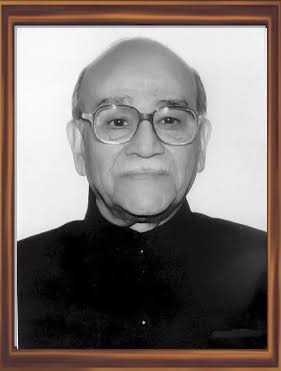
Dr. Shantilal Chhaganlal Sheth (29 October 1912 – 24 January 1990) was a pioneering Indian pediatrician, medical administrator, and educator. As a foundational leader in modern Indian child healthcare, he helped shape national medical policy, education standards, and professional infrastructure. Serving as the President of the Medical Council of India and the Indian Medical Association, Dr. Sheth left an indelible legacy on clinical pediatrics and healthcare governance in post-independence India.
2. Quick Facts
- Full Name: Shantilal Chhaganlal Sheth
- Native Name: శాంతిలాల్ ఛగన్లాల్ సేత్ (Shantilal C. Sheth)
- Date of Birth: 29 October 1912
- Place of Birth: Palitana, Gujarat, British India
- Nationality: Indian
- Occupation / Profession: Pediatrician and Medical Academic
- Field of Achievement: Pediatrics, Medical Education, and Healthcare Administration
- Years Active: 1937 – 1990
3. Award Information
- Award Name: Padma Bhushan
- Award Category: Civil Honour (Third-highest civilian award in India)
- Award Year: 1972
- Presented By: Government of India
- Date of Ceremony: Official Investiture Ceremony held in 1972
- Citation / Official Reason: Recognized for his meritorious, distinguished contributions and services in the field of medical education, medical research, and medical care.
4. Why He Received the Award
Dr. Shantilal C. Sheth was honored with the Padma Bhushan for his lifetime of service advancing medical education and pediatric healthcare in India. Through his leadership in establishing unified medical associations, guiding the Medical Council of India through a critical growth era, and setting rigorous clinical standards, he transformed healthcare administration and child welfare nationwide.
5. Early Life
Born in October 1912 into a traditional Jain family in Palitana, Gujarat, Dr. Sheth was the son of Chhaganlal Narandas Sheth, an auditor. Reared with a strong emphasis on discipline, academic rigor, and community service, he moved to Bombay (now Mumbai) for his higher studies, where he developed a deep passion for clinical medicine and child health.
6. Education
- Schooling: Harris High School, Palitana, Gujarat.
- Medical Graduation: Graduated with a medical degree (MBBS) from Grant Medical College and Sir Jamshedjee Jeejeebhoy (JJ) Group of Hospitals, Mumbai, in 1937.
- Postgraduate Specialization: Earned his Diploma in Child Health (DCH) from the prestigious UCL Institute of Child Health, London, in 1947, followed by achieving membership in the Royal College of Physicians (MRCP, London).
7. Career Journey
- Clinical Beginnings (1937–1947): Completed rigorous house surgeon and residency appointments at Grant Medical College and Sir J. J. Hospital.
- Academic Leadership (1948–): Joined Topiwala National Medical College and B. Y. L. Nair Hospital in Mumbai as Honorary Director and Head of the Pediatrics Department.
- Institutional Positions: Served as consultant pediatrician at prominent institutions including Kasturba City Fever Hospital and Bhatia General Hospital in Mumbai.
- National Governance: Served as President of the Indian Medical Association (IMA) (1965–1966) and President of the Medical Council of India (MCI) from 1965 to 1975.
8. Major Achievements
- Founding the IAP: Played a pivotal role in the historic merger of the Indian Paediatric Society and the Association of Paediatricians of India to form the Indian Academy of Pediatrics (IAP) in 1962, subsequently serving as its General Secretary and President.
- Medical Council Leadership: Presided over the Medical Council of India for a decade (1965–1975), standardizing undergraduate and postgraduate medical curricula.
- Presidential Physician: Appointed as the Honorary Physician to the President of India.
- Naval Honors: Conferred the honorary rank of Surgeon Commander by the Indian Navy.
9. Contribution to the Nation
Dr. Sheth was instrumental in building the institutional architecture of modern Indian medicine. By unifying pediatric bodies, raising the bar for postgraduate medical qualifications, and advising national health committees (such as the Committee on Essential Drugs), he ensured that children across India gained access to standardized, high-quality clinical care and that medical professionals received world-class training.
10. Other Awards and Honours
- Fellow of the Royal College of Physicians (FRCP), London.
- Honorary Fellow of the American Academy of Pediatrics.
- Fellow of the Indian Academy of Sciences (FASc), elected in 1965.
- Served six consecutive terms as President of the College of Physicians and Surgeons, Bombay.
11. Legacy and Influence
Dr. Sheth is remembered as a founding father of organized pediatrics in India. His meticulous approach to medical education and administration set benchmarks that continue to guide Indian medical universities. His academic lineage and contributions are commemorated deeply through the institutions he helped build, such as the Indian Academy of Pediatrics.
12. Interesting Facts
- Historic Fellowship Presentation: As President of the College of Physicians and Surgeons, Bombay, in 1956, he formally awarded an Honorary Fellowship to India’s then-Prime Minister, Jawaharlal Nehru.
- Prolific Publisher: He authored over 120 scientific papers and served as joint editor of the Indian Journal of Child Health.
- Medical Family: His legacy in medicine was carried forward by his son, Dr. Shirish Sheth, a renowned gynecologist and medical academic.
13. Quotes
“The true measure of a nation’s progress is how well it protects, nourishes, and heals its youngest citizens through science and compassion.” (Reflecting his lifelong dedication to pediatric care)
14. Timeline
- 1912: Born on October 29 in Palitana, Gujarat.
- 1937: Graduated in medicine from Grant Medical College, Mumbai.
- 1947: Completed postgraduate studies in pediatrics at the UCL Institute of Child Health, London.
- 1948: Appointed Head of Pediatrics at Topiwala National Medical College and Nair Hospital.
- 1962: Instrumental in establishing the Indian Academy of Pediatrics (IAP).
- 1965–1975: Served as President of the Medical Council of India.
- 1972: Awarded the Padma Bhushan by the Government of India.
- 1990: Passed away on January 24 at the age of 77.
15. References
- Wikipedia contributors. “Shantilal C. Sheth.” Wikipedia, The Free Encyclopedia.
- Royal College of Physicians of London. “Lives of the Fellows: Shantilal Chhaganlal Sheth”.
- Ministry of Home Affairs, Government of India. Padma Awards Directory.
- Udani, P. M. (2013). “History of Indian Academy of Pediatrics.” Indian Pediatrics.
16. Related Personalities
- Dr. Alan Moncrieff: British pediatrician under whom Dr. Sheth trained at the Institute of Child Health in London.
- Dr. Shirish Sheth: Renowned Indian gynecologist and son of Dr. Shantilal C. Sheth.
- Jawaharlal Nehru: India’s first Prime Minister, with whom Dr. Sheth interacted closely during national medical policy formulations and academic honors.
17. Frequently Asked Questions (FAQ)
Q: Who was Dr. Shantilal C. Sheth?
A: Dr. Shantilal C. Sheth was a legendary Indian pediatrician, educator, and medical administrator who served as President of the Medical Council of India and the Indian Medical Association.
Q: What is Dr. Shantilal C. Sheth best known for?
A: He is best known for helping unify pediatric organizations to found the Indian Academy of Pediatrics (IAP) in 1962 and for his extensive leadership in reforming Indian medical education.
Q: Did Dr. Sheth receive any national civilian awards?
A: Yes, he was awarded the Padma Bhushan in 1972 by the Government of India for his outstanding contributions to medicine.
About the Author